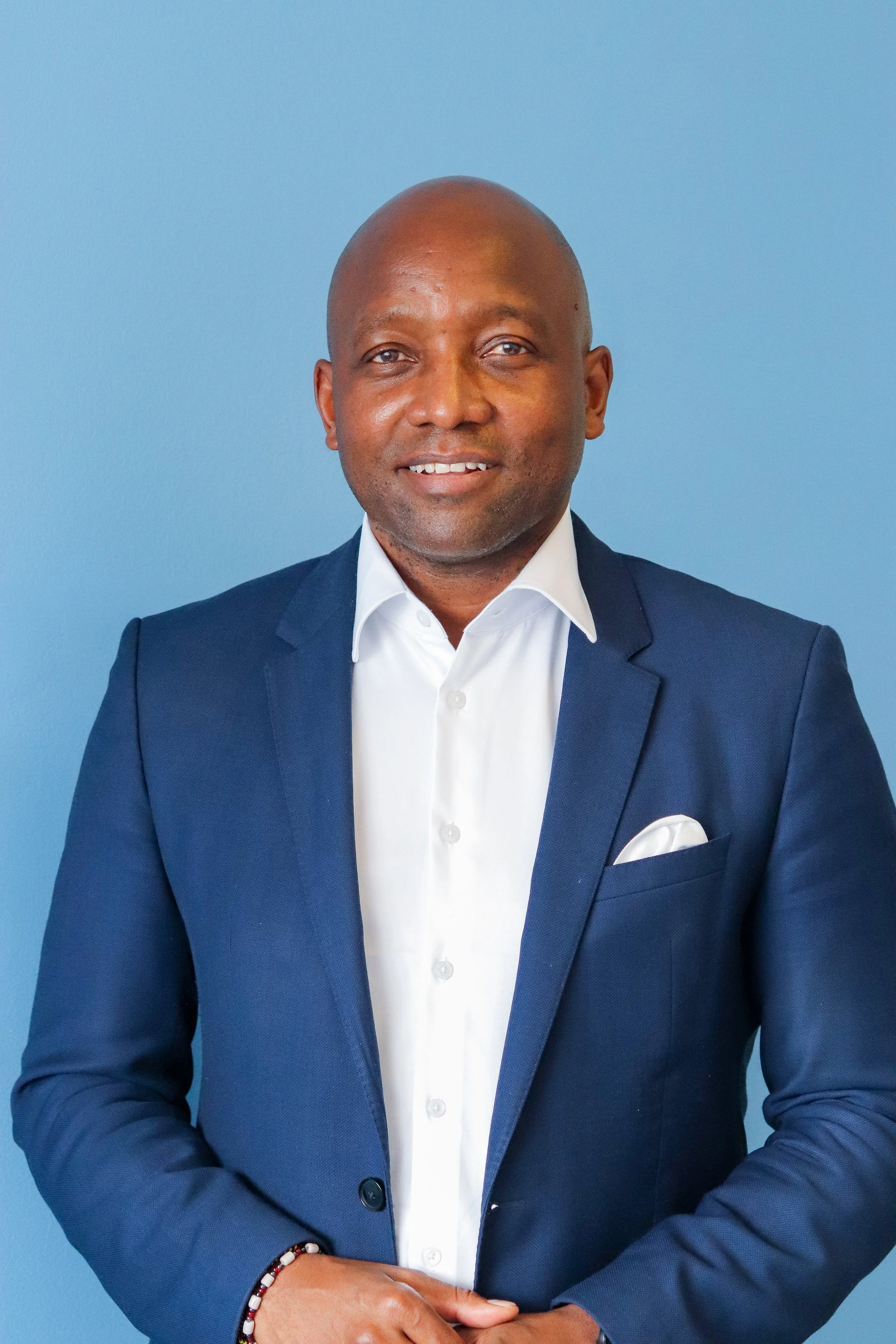
Iain Banner on Go Green Africa’s new Section 18A status

Exclusive interview with Iain Banner, Founder and Chairman of Go Green Africa (GGA), the South African non-profit organisation launched during the inaugural Cape Town E-Prix in 2023. Since then, GGA has advocated for the green economy transformation within Africa through conferences, such as Africa’s Green Economy Summit and Carbon Markets Africa Summit.  

Q: Thank you for joining us. Can we do a quick recap on the background of Go Green Africa and its aims?
Go Green Africa really flowed out of our staging Formula E Cape Town and my drive for us to create a legacy initiative. The race itself was very important for South Africa, I believe. It showcased what we able to do on the global stage and fortunately it ran extremely well and was voted Best Race of the Year. But most importantly for me, it’s about the impact that we can achieve off the back of that and its impact around sustainability on the  green economy. We created Go Green Africa and it’s doing its thing. It’s exciting.  And we’re to talk a little bit more as we get into the interview as to exactly what it’s been up to and how it’s doing. But it really aims to push corporates to Go Green, to showcase how that can be done, to be an organisation of influence and it’s also given birth, if you think of it as a tabletop and not for profit, it’s given birth to four table legs which are growing themselves very significantly.

Q: GGA has now obtained Section 18A status which means partners will be able to claim a deduction from their taxable income from SARS. How important is this?
The finance team has worked very hard and it is not easy to secure a Section 18A tax status with SARS. It’s been done. And the reason that’s significant, it allows corporates to participate together with us and to benefit from a tax deduction for the monies that it contributes towards helping Go Green and its activities of pushing the green agenda. It’s very important. We needed it, we’ve got it, I’m delighted.

Q: How do you see the green economy alongside the traditional economy?
This is an interesting question. How do I see the green economy alongside the traditional economy? Let’s call it the black oil and gas or heavy carbon emitting economy. I think it’s a big mistake when you start to push hard for the green economy without recognising the fundamentally important role that traditional  energy sources have played and continue to play in the future of the growth of the world. For us, and for me in particular, green sits very much as the clean alternative. It needs to be economically viable in order to be adopted. We are working very hard to help showcase technologies that allow for production in a green manner, and that is starting to bear fruits around the world.

But we are really at the beginning of a journey. And the notion that green will completely replace the black economy are misplaced in my view. It will always have a role. You have to think about the enormous infrastructure that’s been created to support the black economy that continues to play into business today. And the green economy is really that lovely alternative that you choose when it makes sense and when we find solutions that allow for it to make economic sense too. Even if it is a little bit more costly, it is worth doing without a doubt. We have a massive crisis right now with our climate, and I’m excited about the future that lies ahead.

Q: What have been some of the highlights of the GGA journey so far?
Well, let’s think of that tabletop where we have the likes of Eskom and Uber, the car company, and Siemens have verbally agreed and coming on board—it was pending our Section 18A status that’s been secured. We also have one of the big four banks in South Africa joining us. And there will be many more that come alongside us. And we want both polluters and solutions.

We’ve had deep discussions with Sasol, and I’m hoping that they’ll be with us too. So when people say, ‘oh, you can’t take on the polluters’. ‘Well, why not?’ is my question to them, because until you have them inside the tent, how can you possibly help to influence outcomes going forward?

Apart from this tabletop, the highlights without doubt, though, have been the development of Africa’s Green Economy Summit. It is going into its fourth year in February next year. It connects global capital with African green economy opportunity. And we are seeing some very positive growth  of AGES,  as we call it, and we’re very excited about the future. I often compare it to the Mining Indaba, which has been around for a very long time, but it has a huge impact in the mining sector. We want to have a huge impact on the green economy and help to create jobs and grow the economy of South Africa and Africa as the total  continent. So that’s exciting.

Now we do have Carbon Market Africa Summit that takes place 21 to 23 October in Sandton. The response to this has been very, very good. It’s a complete look-see at the carbon market, the carbon world, carbon credits being a part of that. I personally have a view, and I’ve seen how carbon credits can help to really help protect large landscapes in Africa. Peace Parks are doing wonderful work in this regard. Carbon credit funding is important, and we’re pushing into that as well through Carbon Markets Africa Summit.

Then we have our wonderful skills development chapter or leg of the table,  which is really helping a thousand students, it’s called Formula Student Africa. We have about a thousand students from ten universities in South Africa on board, being lectured by Warwick University on EV skill sets and preparing these engineering students  for the marketplace when they have qualified. We hope to be able to take that into schools with Coventry University supporting us. So that’s a really important piece of what is now not the future, but the current, the whole EV world. And then we have a fourth leg, which we will announce in due course. So that’s some of the impact that’s being enjoyed. The journey is  an exciting one. Of course, we still have so much to do. And in fact, we are only just getting started.

Carbon-finance project pioneer TASC joins Carbon Markets Africa Summit as diamond sponsor

“Projects with monumental impact at grassroots level”

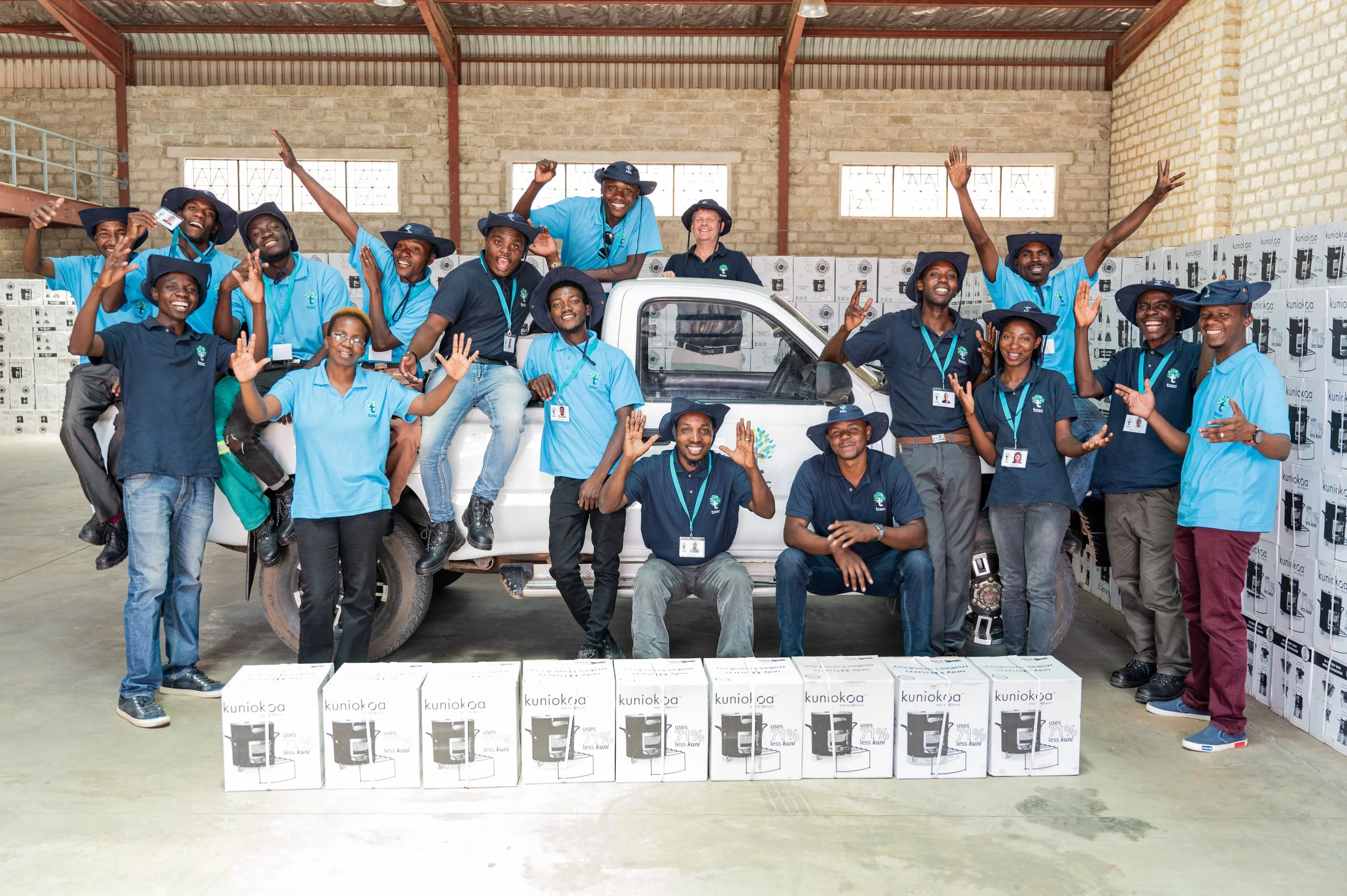
The organisers of the upcoming Carbon Markets Africa Summit have announced the diamond sponsorship of TASC, the award-winning and pioneering carbon finance project developer with a proven track record of innovative climate mitigating techniques and investing in local communities.

Taking place in Johannesburg from 22 to 23 October, Carbon Markets Africa Summit will gather the continent’s entire carbon markets value chain, from successful early carbon market movers, climate-finance-ready projects and regulatory bodies to global institutional development organisations and investors.

  TASC is a Diamond Sponsor for CMAS 2025
TASC is a Diamond Sponsor for CMAS 2025

High-impact carbon projects at scale
“At its core, TASC is community-driven and we believe in delivering real-world social and environmental impact rooted in rigorous carbon science,” says Shelley Estcourt, TASC’s CEO for Africa.

She adds: “We focus on delivering high-integrity, high-impact carbon projects at scale.
Historically, we have been focused on cookstoves, but our GRASS* project is a testament to our ability to diversify quite significantly. Backed by a dedicated in-house R&D team, we are constantly innovating and exploring new methodologies, platforms, and country partnerships. We have a big focus on projects that deliver impact at scale, combined with sound carbon modelling and science.”

* Grassland Restoration and Stewardship in South Africa

TASC is currently active across sub-Saharan Africa and Australia, with expansion plans into other parts of Africa and the Australasian region. Their focus is on jurisdictions with advanced Article 6 carbon market frameworks, where the enabling environment allows for long-term, scalable impact.


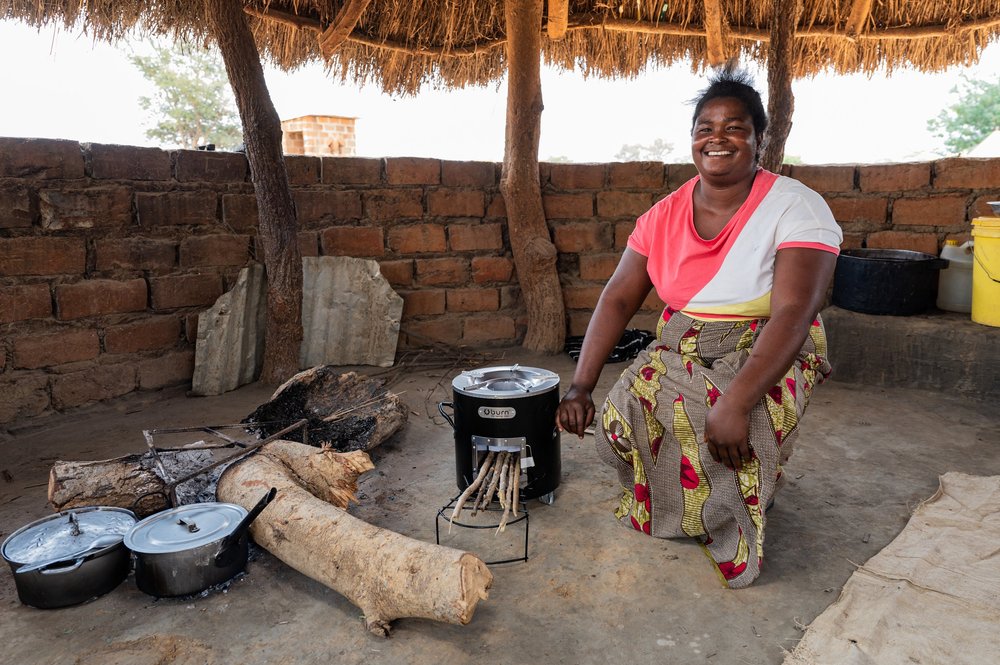
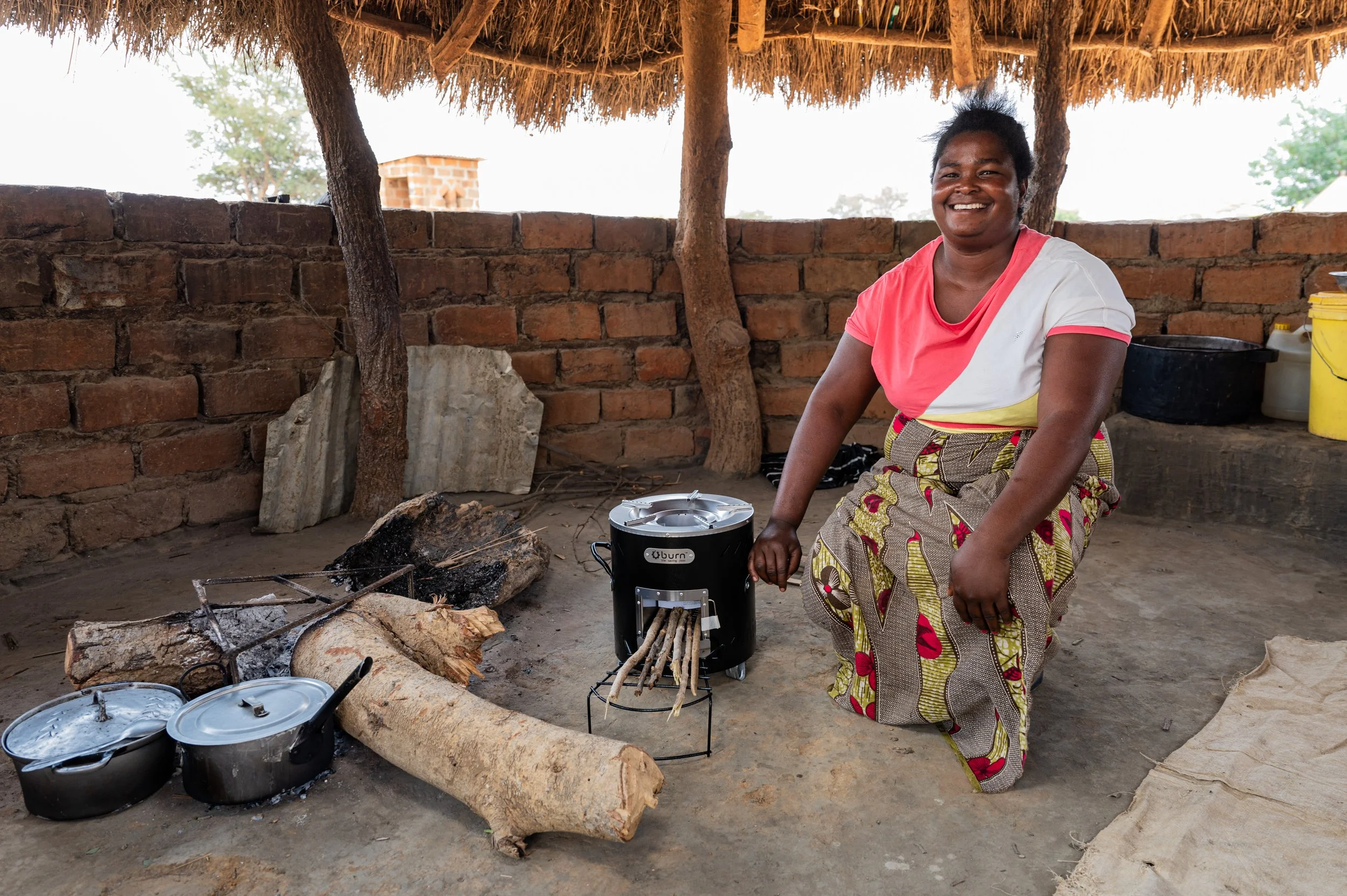
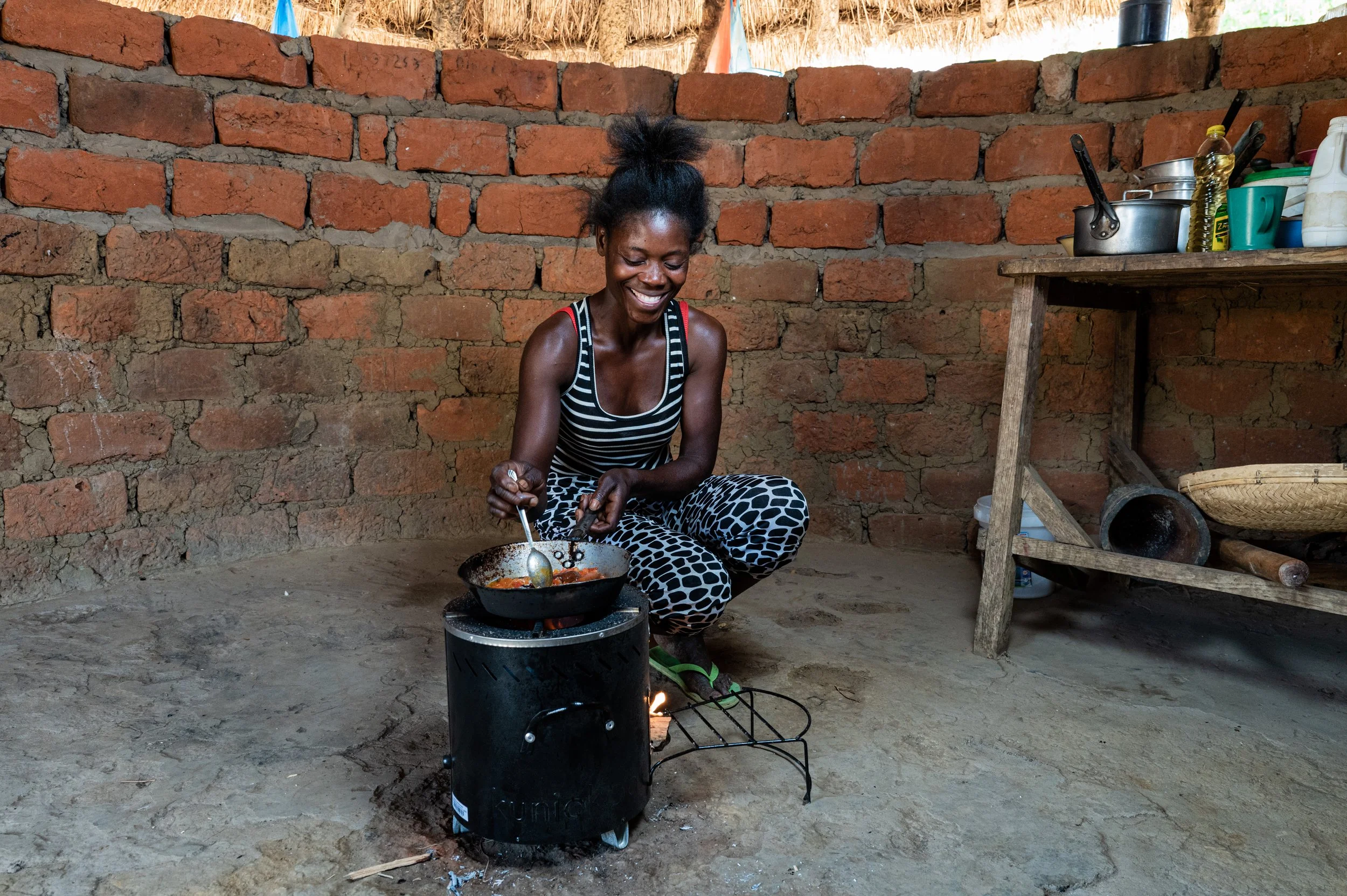
950,000 cookstoves distributed
In 2023, TASC won the Environmental Finance Voluntary Carbon Market Award for its cookstove project. “
The award and the associated finance mechanism via Standard Bank were instrumental,” says Estcourt.

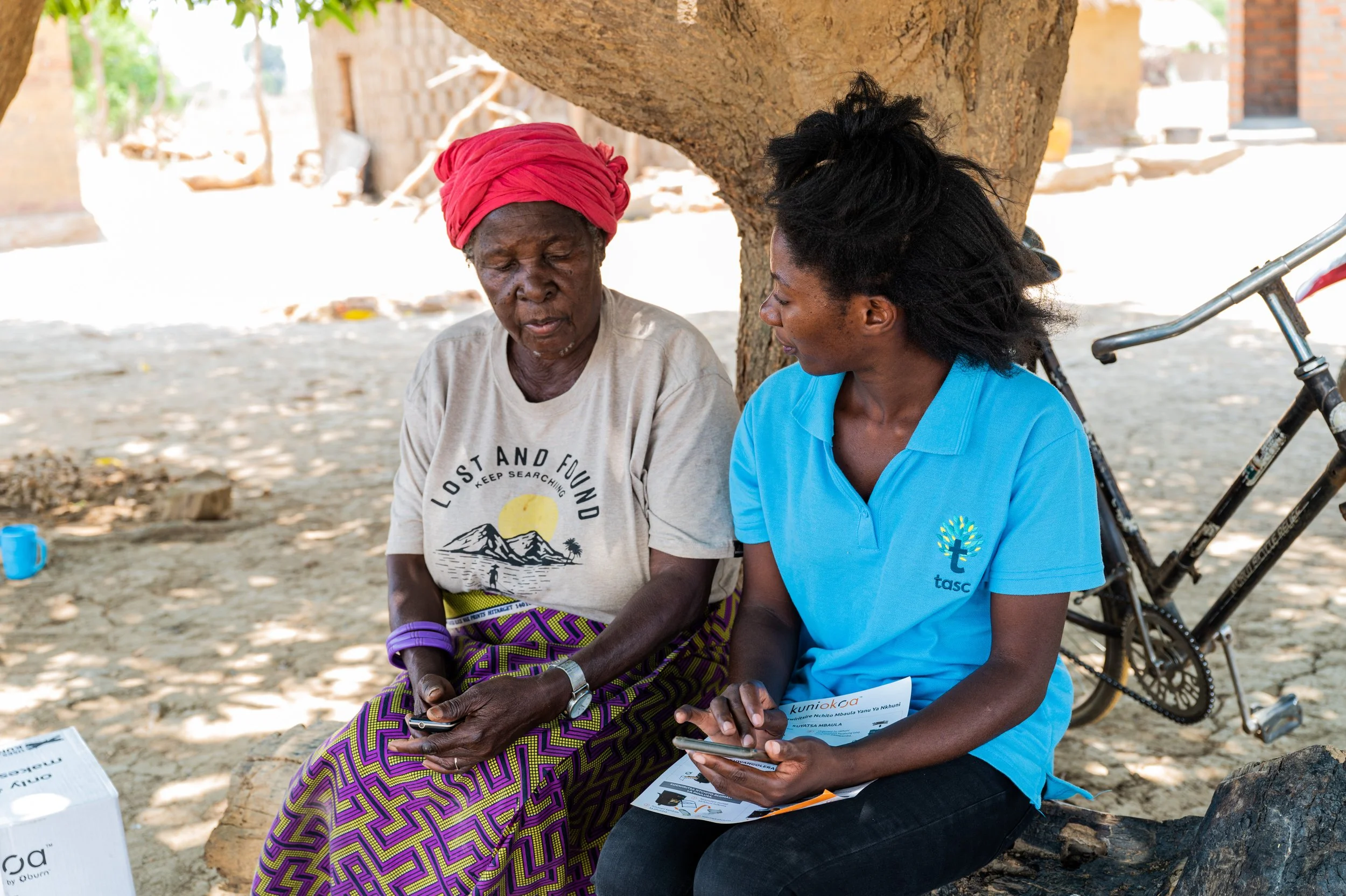
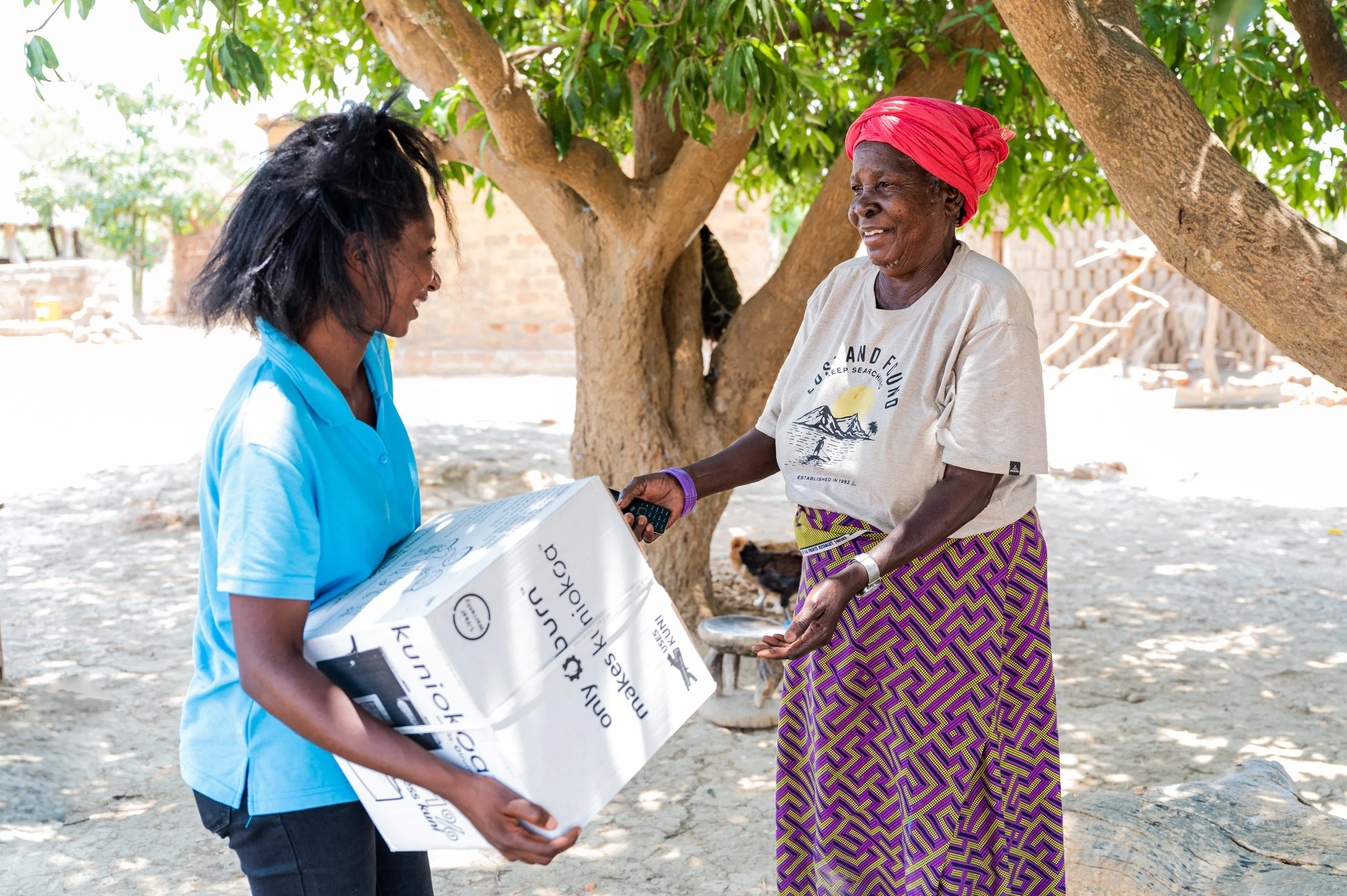
“It enabled us to repay early-stage funding and significantly expand the scope of the programme. To date, we’ve distributed clean cookstoves to over 950,000 households across rural South Africa, with benefits for both community health and carbon reductions.”

Reversing effects of climate change
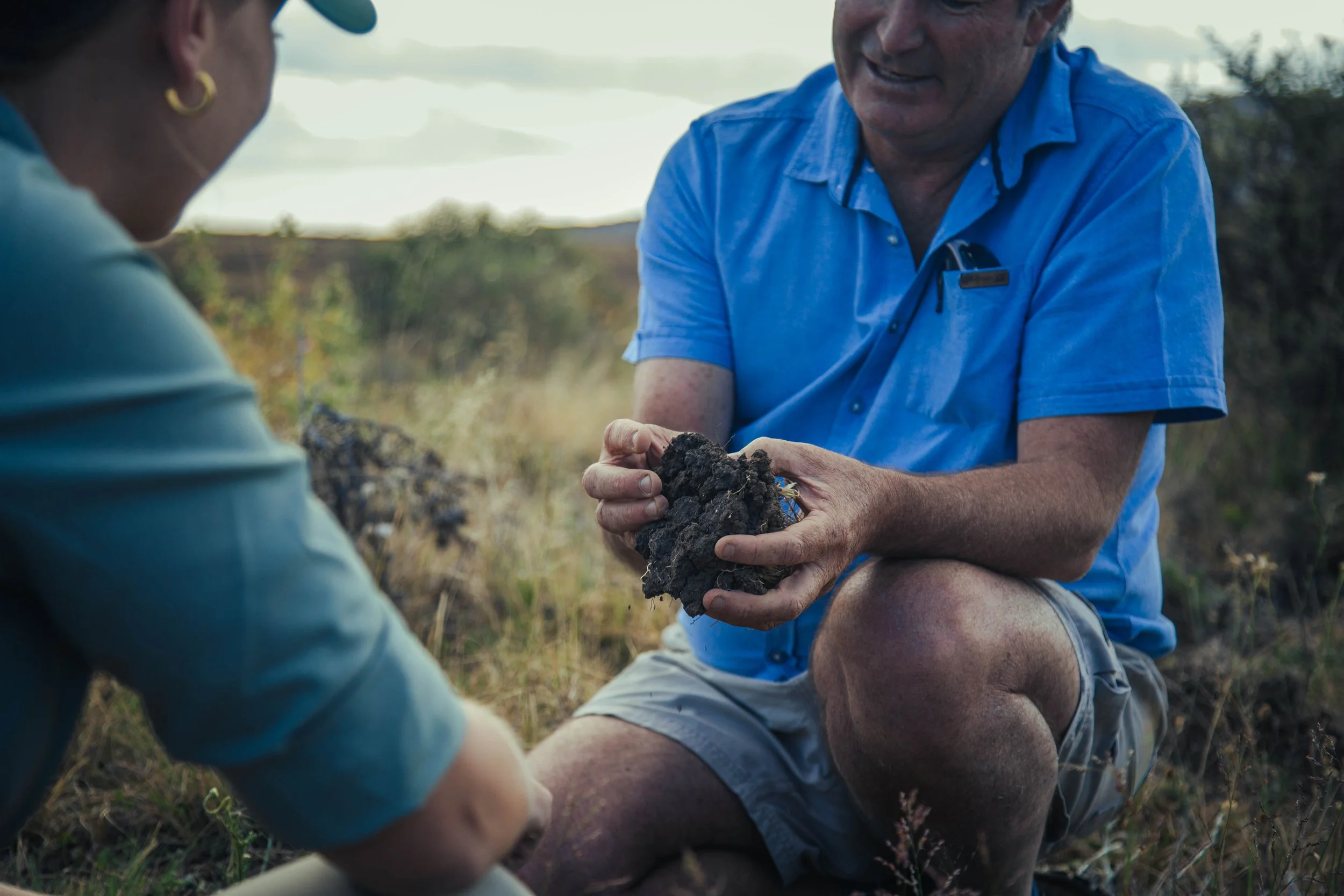
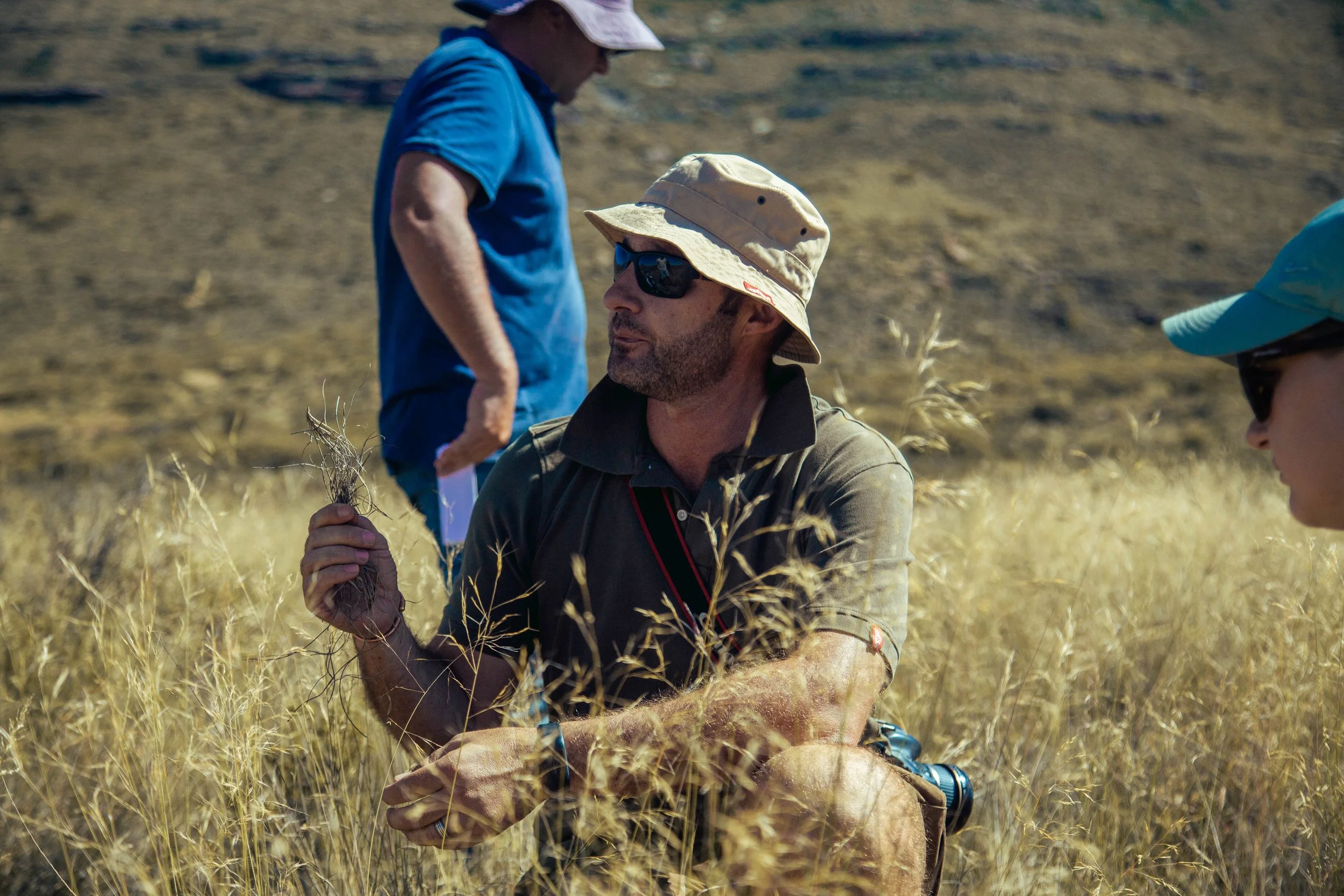
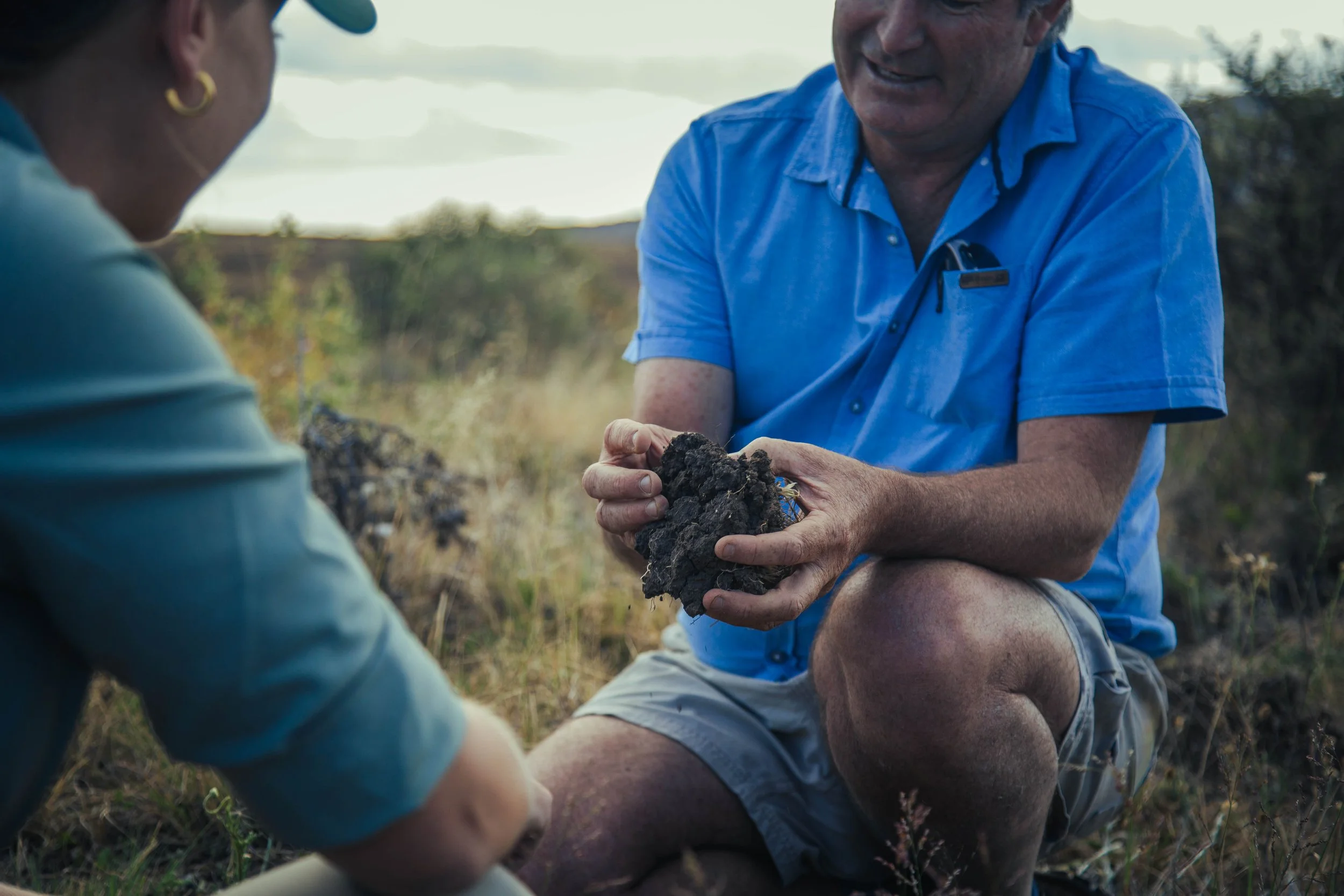
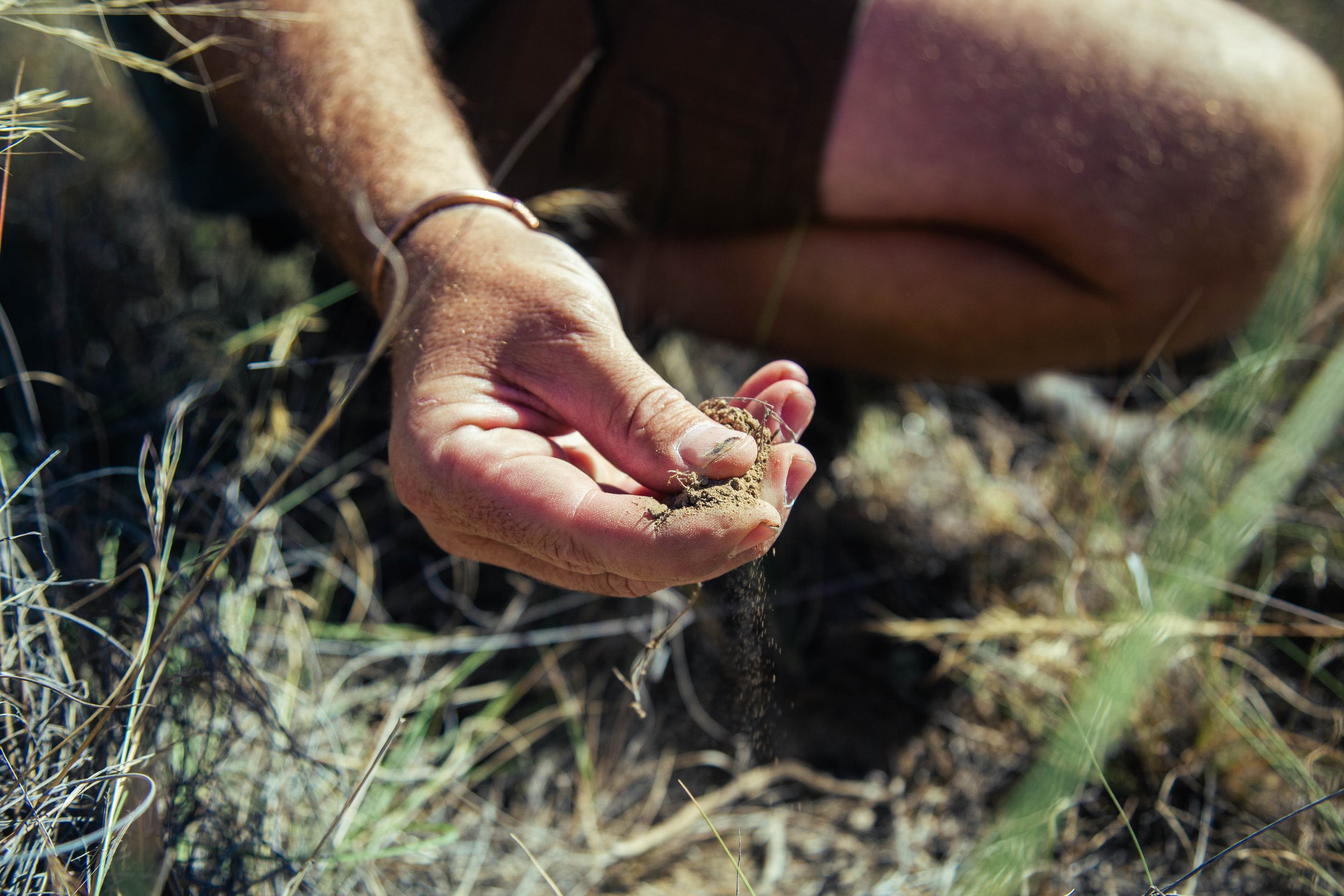
TASC’s GRASS project directly tackles the consequences of climate change by restoring degraded rangelands, boosting carbon sequestration, and building long-term resilience for rural communities.

Escourt: “Climate change has significantly reduced the adaptive capacity of farmers, which sees them to increased drought vulnerability, erosion, bare soils, and more extreme weather impacts. GRASS helps reverse these effects by improving water-holding capacity, stabilising soil temperatures, reducing erosion, and increasing biodiversity across hundreds of thousands of hectares.”

GRASS is also the world’s first project registered under Verra’s VM0042 methodology, enabling robust monitoring and the generation of certified carbon credits.

Important opportunity
As the diamond sponsor of the inaugural Carbon Markets Africa Summit in Johannesburg from 22–23 October, TASC is excited to be part of what Estcourt describes as
“an important opportunity to bring thought leaders, developers, policymakers, and buyers into one room. It’s a platform to hopefully accelerate Article 6 readiness, deepen understanding of what high-impact projects look like on the ground, and promote stronger collaboration across the continent.”

She continues: “For buyers, this is your chance to meet developers face-to-face, ask the hard questions, and build real trust in the market. Come and listen to the passion.”

  Shelley Estcourt, CEO, TASC
Shelley Estcourt, CEO, TASC

[Read the full interview with TASC’s Shelley Estcourt here.]

VUKA Group 
Carbon Markets Africa Summit
is organised by VUKA Group, which has more than 20 years’ experience in serving the business community across Africa. The United Nations Development Programme (UNDP) is the official host organisation.

Event dates and location:
Dates:
21 October: Pre-summit day
22–23 October: Summit
Location: Johannesburg, South Africa

Contact details for TASC:
Commercial Director: Dr Storm Patel

Email: storm@tasc.je


Contact details for Carbon Markets Africa Summit
Project Lead: Emmanuelle Nicholls 
Cell: +27 83 447 8410  
Email: emmanuelle.nicholls@wearevuka.com  

Event website:About — Carbon Markets Africa

TASC: “Our carbon-financed projects are having a monumental impact at a very grassroots level”

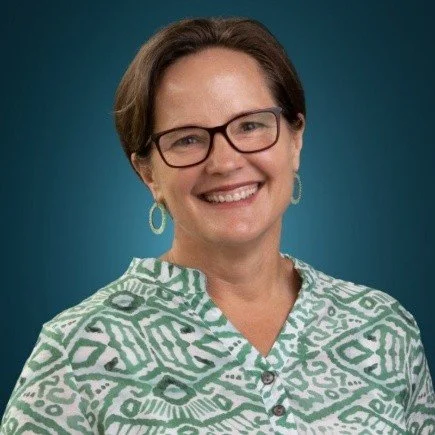
Exclusive interview with Shelley Estcourt, CEO Africa, TASC, the diamond sponsor for the upcoming Carbon Markets Africa Summit, taking place in Johannesburg from 21 to 23 October.

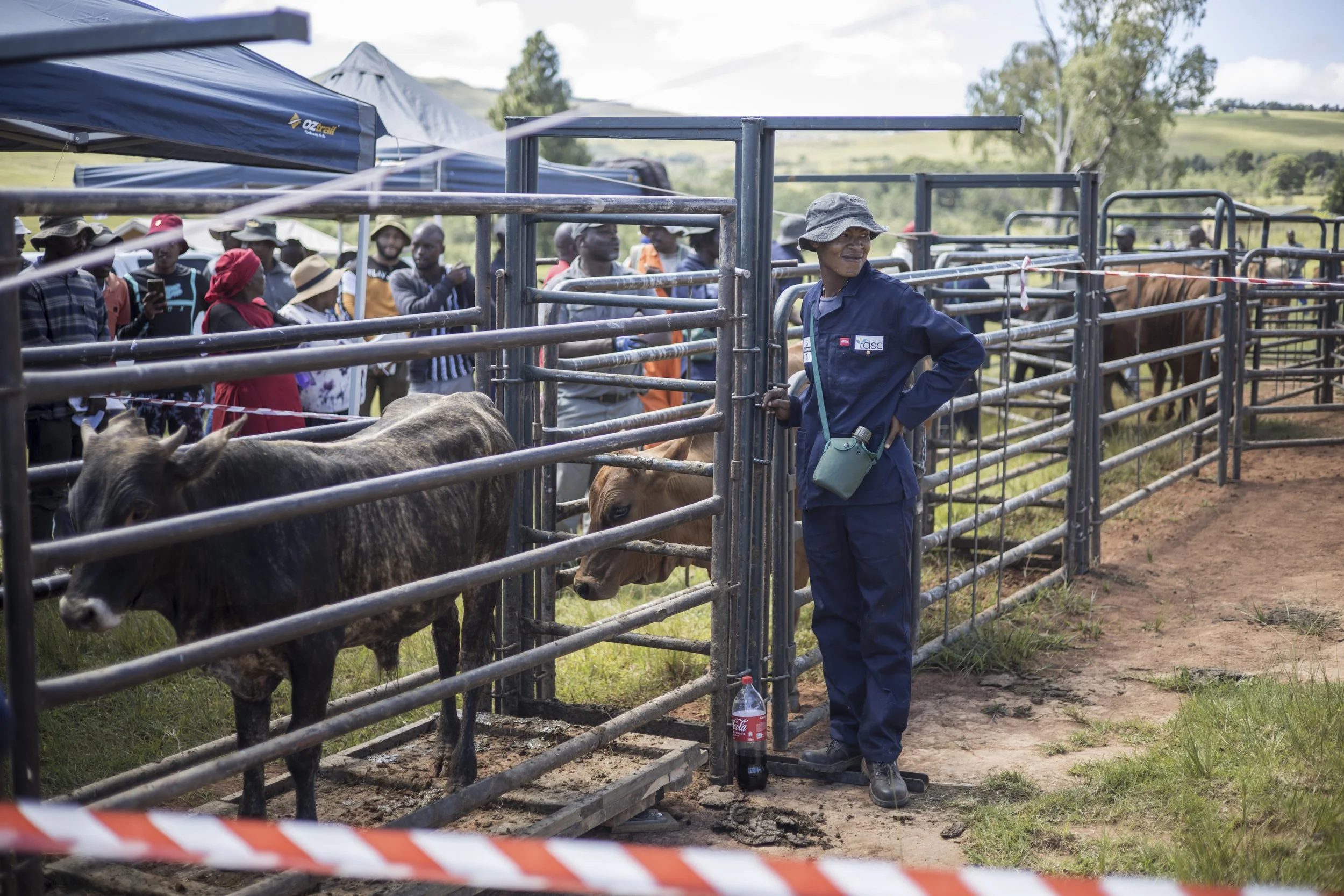
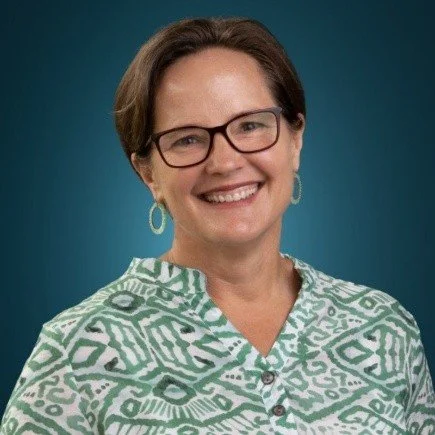
  Image: Shelley Estcourt, CEO Africa,    TASC
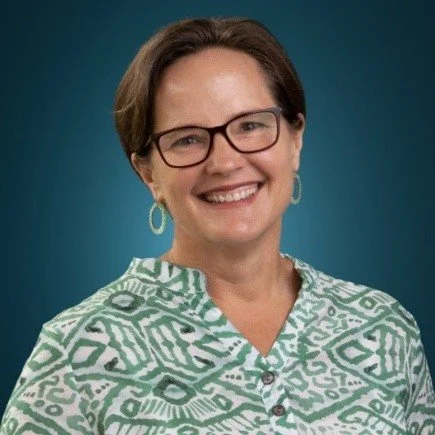
Image: Shelley Estcourt, CEO Africa, TASC


Executive Summary
Shelley Estcourt – CEO Africa, TASC

Shelley Estcourt’s career journey moved from corporate asset management in London and Bermuda to a break for motherhood, before joining TASC in 2020 to launch its South African operations. With limited prior experience in carbon markets, she grew TASC into one of Southern Africa’s largest project developers, employing over 750 people and impacting more than 1.3 million households while managing over 720,000 hectares of rangeland.

About TASC
TASC develops high-integrity, high-impact carbon projects at scale, combining strong science with social and environmental benefits. Originally focused on clean cookstoves, they now run diverse projects such as GRASS (Grassland Restoration and Stewardship in South Africa), supported by in-house R&D and partnerships.

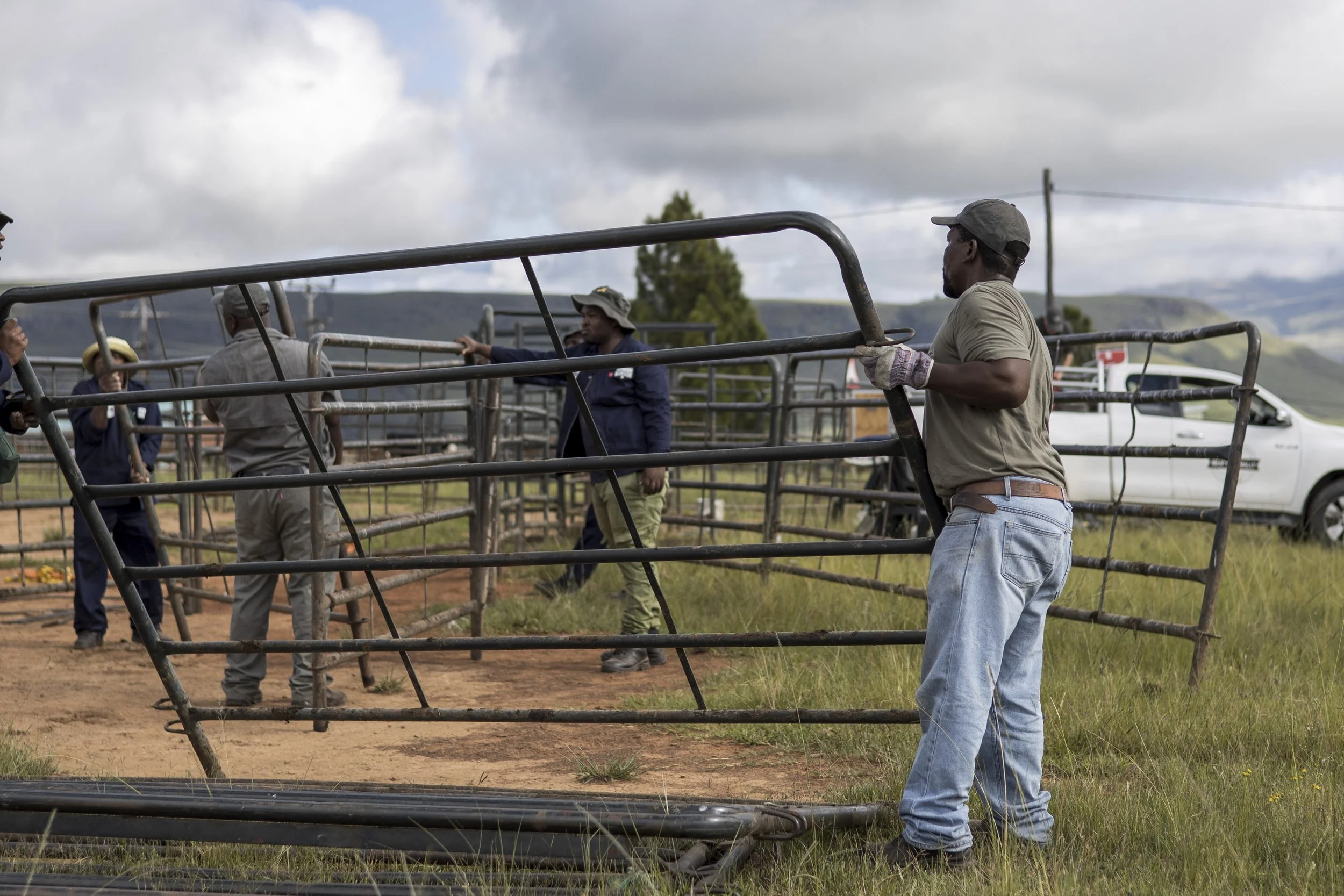
Images: TASC

Operations and Challenges
Active in sub-Saharan Africa and Australia, TASC targets areas with advanced carbon market frameworks. Key challenges include policy uncertainty, slow government processes, remote access to rural beneficiaries, and community trust-building. Opportunities lie in the vast need for restoration in degraded landscapes.

Achievements

  • 2023 Environmental Finance Voluntary Carbon Market Award for clean cookstove distribution (950,000+ households reached).

  • GRASS project restores degraded rangelands, enhances biodiversity, improves water retention, and strengthens climate resilience, generating certified carbon credits under Verra’s VM0042 methodology.

  • Partnerships include Meat Naturally, BirdLife South Africa, and Afrivet.

Navigating Carbon Markets
Evolving regulations and shifting standards present difficulties, but South Africa’s compliance market stands out as transparent and well-regulated.

Entrepreneurship Message
Green entrepreneurship is challenging but essential. Estcourt advises staying purpose-driven, maintaining integrity, and resisting opportunism to achieve lasting impact.

Carbon Markets Africa Summit
As Diamond Sponsor, TASC views the event as an opportunity to unite developers, policymakers, and buyers, build trust, and elevate project standards to ensure a credible and transparent carbon market for Africa.

FULL INTERVIEW with Shelley Estcourt, CEO for Africa for TASC:

Thank you for joining us. Let’s start with some background on you.
I am Shelley Estcourt, CEO for Africa for TASC.

My personal and professional journey took me on a bit of a meander. After university, I took on various part-time jobs to support my working holiday in the UK, and I eventually started my career in the corporate world at an entry-level position in an asset management company in London. I worked my way up through that business and, 6 years later, ended as Global Head of Operations (based in Bermuda) for a billion-dollar company.

Fast forward 16 years, having taken a break from the corporate world to be a full-time mum to two gorgeous boys. This is probably one of the hardest jobs anyone can take on, and not a ‘cop out’ as some women are often led to believe. In 2020—the global resetting—COVID happened just at a time that I was re-evaluating where I was, what I stood for, who I wanted to be in my next chapter, and what legacy I wanted to leave behind for my children and my children’s children.

And along came TASC. Being fortunate enough in my connections, I was offered an opportunity to start the TASC business in South Africa in October 2020. Knowing very little about the carbon space but recognising a deep need to make a difference, I took the challenge head-on, and today, I am very proud to say that TASC is one of the biggest project developers in Southern Africa with a fast-growing global recognition in this space. Through our head office and current projects, we employ more than 750 people. Our projects, with lasting co-benefit impacts touching many of the Global Sustainable Development Goals, have reached more than 1.3 million households through household devices, and we have more than 720,000 hectares under rangeland management in the communal and commercial livestock farming landscape.

It is a great privilege to be at this stage in my life and love everything I do, and I am humbled by the monumental impact our projects are having at a very grassroots level, all this, enabled through carbon finance.

Tell us about TASC, your aims, and the different projects you are developing.
TASC is a mission-driven project developer focused on delivering high-integrity, high-impact carbon projects at scale.

Historically, we have been focused on cookstoves, but our GRASS project is a testament to our ability to diversify quite significantly. Backed by a dedicated in-house R&D team, we are constantly innovating and exploring new methodologies, platforms, and country partnerships. We have a big focus on projects that deliver impact at scale, combined with sound carbon modelling and science.

At our core, we are community-driven and believe in delivering real-world social and environmental impact rooted in rigorous carbon science.

Where are you active?
We are currently active across sub-Saharan Africa and Australia, with expansion plans into other parts of Africa and the Australasian region. Our focus is on jurisdictions with advanced Article 6 carbon market frameworks, where the enabling environment allows for long-term, scalable impact.

What have been the challenges in getting these projects off the ground? And what are the opportunities?
Policy uncertainty remains one of the biggest challenges. Anything from fluctuating regulations, political risk, and slow government processes can delay or derail projects. Likewise, the recipients we work with are generally rural and incredibly hard to access. Further, to ensure successful community buy-in to these projects, we need to garner an in-depth understanding of the cultural norms of these communities, as they can be – understandably – reluctant to welcome outsiders into their homes.

On the opportunity side, the scale of need is vast. Many of the landscapes we work in are severely degraded and underserved, yet filled with untapped potential. With the right approach, we can deliver truly transformative outcomes for both people and planet.

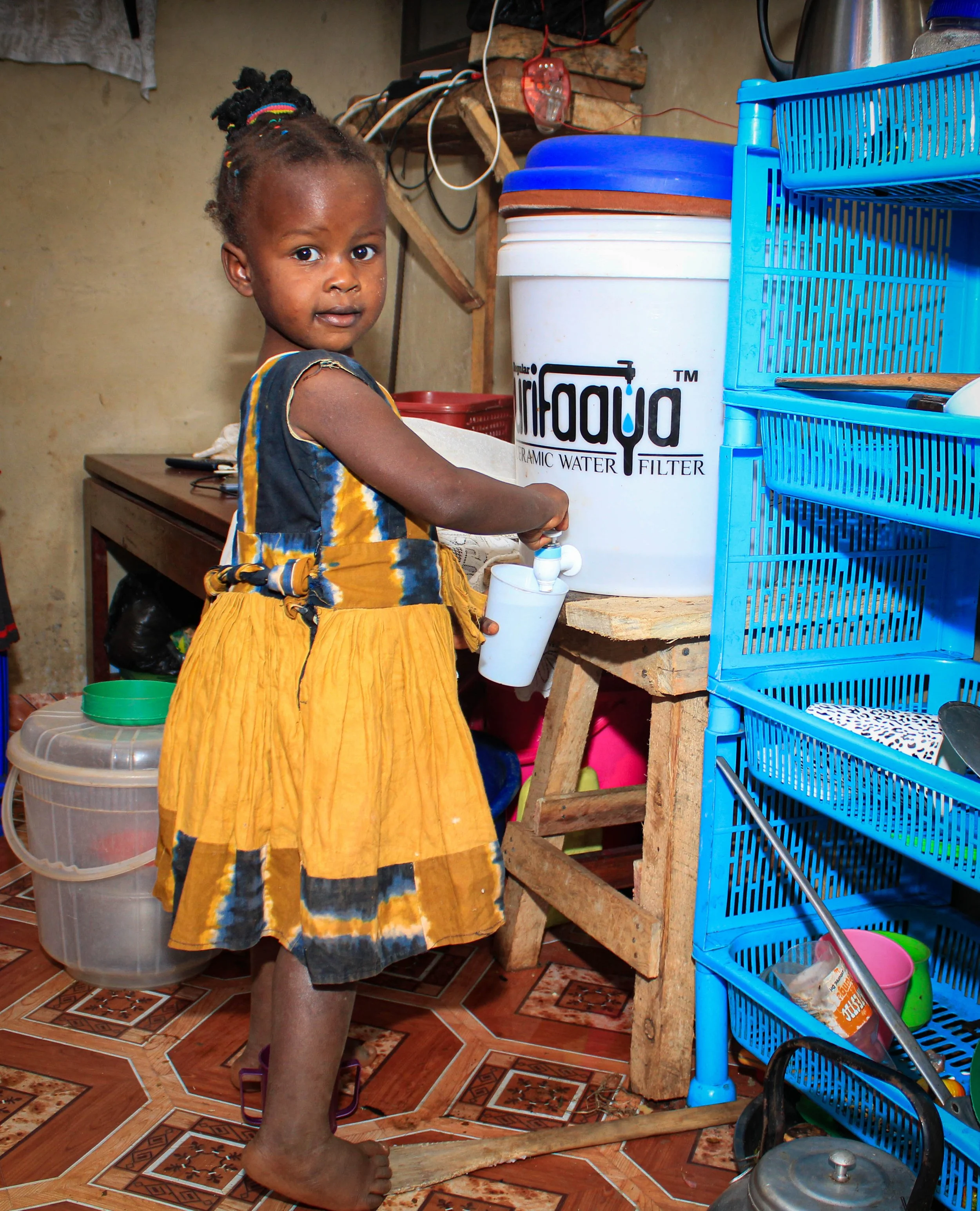
Images: TASC

TASC won the Environmental Finance Voluntary Carbon Market Award in 2023 for your cookstove project. How did this support the project?
The award and the associated finance mechanism via Standard Bank were instrumental. It enabled us to repay early-stage funding and significantly expand the scope of the programme. To date, we’ve distributed clean cookstoves to over 950,000 households across rural South Africa, with benefits for both community health and carbon reductions.

How is the GRASS project addressing the consequences of climate change?
TASC’s GRASS (Grassland Restoration and Stewardship in South Africa) project directly tackles the consequences of climate change by restoring degraded rangelands, boosting carbon sequestration, and building long-term resilience for rural communities. Climate change has significantly reduced the adaptive capacity of farmers, which sees them to increased drought vulnerability, erosion, bare soils, and more extreme weather impacts. GRASS helps reverse these effects by improving water-holding capacity, stabilising soil temperatures, reducing erosion, and increasing biodiversity.

Through regenerative grazing, better livestock management, and farmer training, the project enhances ecosystem health and climate resilience across hundreds of thousands of hectares.

GRASS is also the world’s first project registered under Verra’s VM0042 methodology, enabling robust monitoring and the generation of certified carbon credits. With its revenue-sharing model, GRASS not only reduces millions of tonnes of CO₂e but also delivers meaningful, long-term benefits to people and planet, including creating a scalable blueprint for climate-smart agriculture in South Africa and beyond.

Who are your partners in this particular project?
TASC’s GRASS carbon credit project is delivered in partnership with organisations such as Meat Naturally, BirdLife South Africa, and Afrivet, alongside a broader, community-based group of collaborators. These partnerships bring together expertise in regenerative agriculture, conservation, and sustainable finance to support large-scale grassland restoration and community empowerment in South Africa.

This is a very nascent sector. How challenging has it been to navigate the carbon credit space with all its requirements and ever-evolving standards?
It’s not been easy. Regulatory frameworks – particularly the operationalisation of Article 6 – are constantly evolving, making it difficult to plan and attract long-term investment. The shifting goalposts from some international standards can also complicate project validation and financing. That said, the South African compliance market has been a positive example: transparent, well-regulated, and underpinned by clear price signals and predictable application processes for large emitters.

How important is entrepreneurship in Africa’s journey to adopt green economy principles? What is your message to other green entrepreneurs?
It’s a rollercoaster—be ready for the ride. Our advice: stay true to your purpose, values, and integrity. The carbon space will always attract opportunists, but it’s the committed, mission-aligned actors who will endure and create lasting change. Stay true to your ethos, your purpose, and your integrity, and do not be swayed by bad actors entering your space. Africa needs bold entrepreneurs who can hold the line and innovate responsibly.

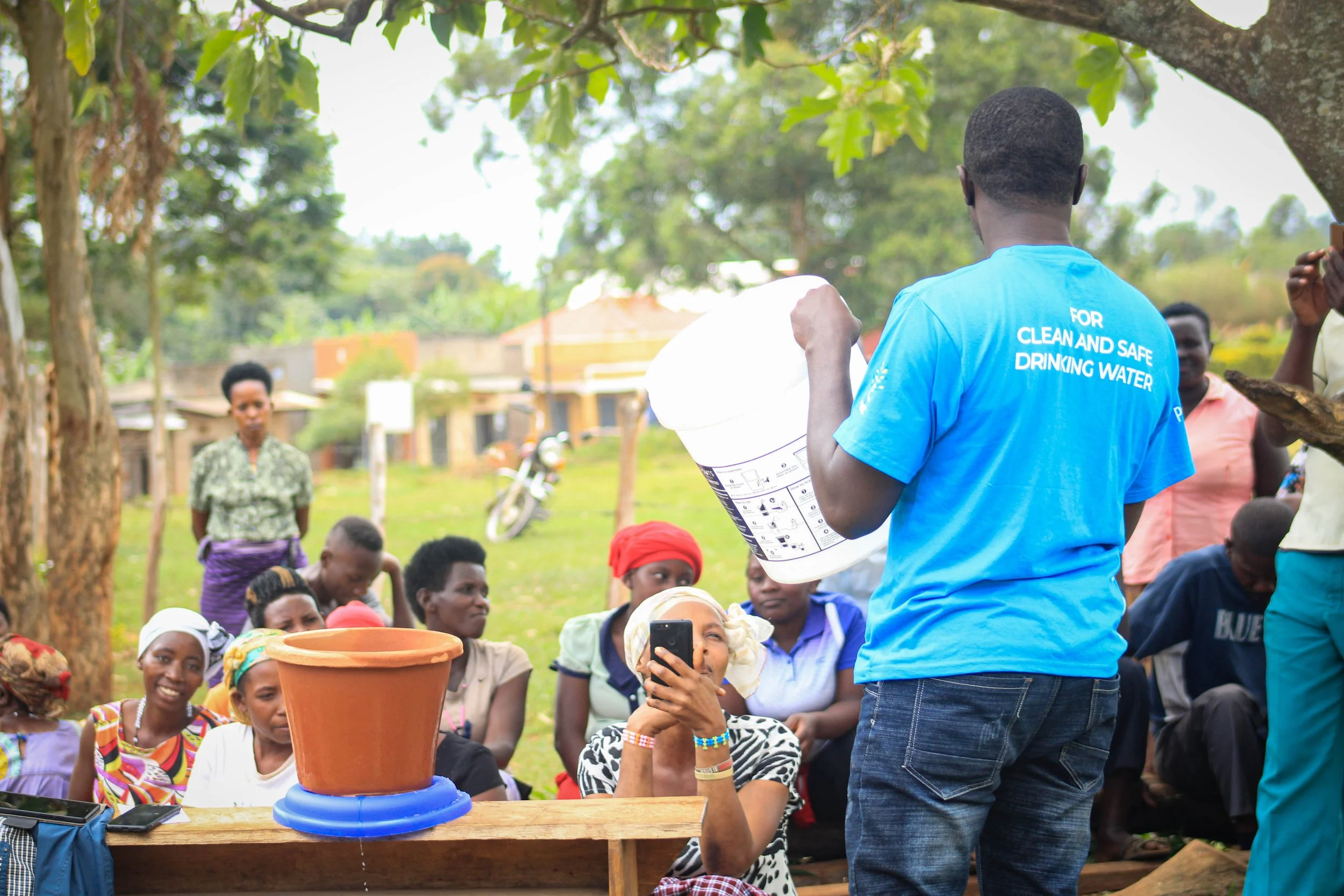
Images: TASC

TASC is a Diamond Sponsor of the inaugural Carbon Markets Africa Summit in October. How important is such a gathering for the continent?
CMAS provides an important opportunity to bring thought leaders, developers, policymakers, and buyers into one room. It’s a platform to hopefully accelerate Article 6 readiness, deepen understanding of what high-impact projects look like on the ground, and promote stronger collaboration across the continent.

For buyers, this is your chance to meet developers face-to-face, ask the hard questions, and build real trust in the market. Come and listen to the passion.

What will be your message at the event?
A rising tide lifts all boats. While there is competition in the carbon space, we will only succeed if we collectively raise the bar. There is no benefit in us having bad actors, as we are all in this together and don’t need the market credibility impacted.

Let’s use this event as a rallying point to focus on building a robust, transparent, and functioning carbon market that works for Africa and the planet.

WEBINAR WRAP-UP: Beyond Carbon Credits

WEBINAR ON CO-BENEFITS – HIGHLIGHTS AND SUMMARY OF DISCUSSION:

WATCH ON-DEMAND NOW

INSIGHTS FROM FSD AFRICA REPORT:

· Local Benefits Vary: Clean energy and cookstove projects deliver stronger economic and health outcomes than forest-only projects.

· Limited Job Creation: Projects create some jobs, but impact is often small and unevenly distributed.

· Revenue Sharing is Modest: Communities receive limited and delayed income, especially when costs are high.

· Gender & Equity Gaps: Women often excluded from benefits due to land and power imbalances.

· Health & Environmental Gains: Notable in projects like clean cookstoves and waste management.

· Design & Governance Matter: Community-led, well-structured projects deliver better results.

VIEW THE REPORT HERE


POLL QUESTION AND RESULTS:

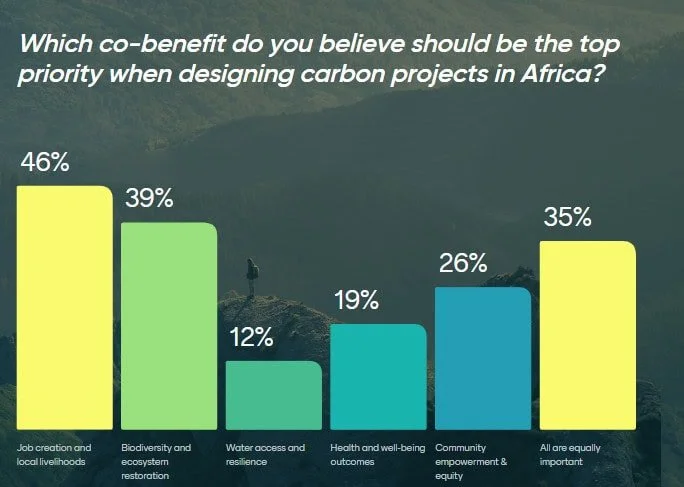
· A poll asked participants to rank top co-benefits for African carbon projects: options included jobs, livelihoods, biodiversity, water, health, equity, or “all equally important.

· Results showed strong support for biodiversity, job creation, and “all equally important.

· Panelists agreed that prioritization is necessary due to limited resources and varying project types.

· Community voices must drive decisions—what communities value may differ from assumptions by outsiders.

· From a policy perspective, job creation and ecosystem health are often top priorities.

  Image: Webinar Poll Results
Image: Webinar Poll Results


INSIGHTS FROM SPEAKERS:

· Carbon Tanzania shared how projects are supporting education, land rights, and cultural identity through direct community financing.

· Successful projects empower communities, protect local rights, and build trust through benefit-sharing.

· Co-benefits must be measurable (e.g., SDG impact, biodiversity richness) and locally relevant.

· Nature-based carbon markets can fund long-term conservation if supported by:

o Strong data infrastructure

o Good governance at community and national levels

o Smart, context-specific project design

o Long-term investment and planning (5–10 years+)

· Projects must balance community needs with conservation goals for sustainability.

· Carbon markets provide a sustainable, market-based alternative to traditional donor-funded conservation, linking nature protection to the global economy.

· Carbon markets assign value to standing forests and wildlife, creating incentives to conserve rather than exploit.

· Effective measurement, reporting, and verification (MRV) systems are essential for transparency, trust, and market integrity.

· African countries need stronger regulations and institutions to support robust MRV systems.

· Successes in carbon markets should be highlighted to maintain momentum and confidence.

· Domestic carbon registries and African standards are being developed to enhance environmental and social integrity.

· Carbon markets can seem intangible and complex, causing skepticism; co-benefits like job creation help make projects more tangible and understandable.

· Success in delivering co-benefits depends on understanding local context, social systems, and community needs—not just fixed worldviews.

· Incentives like the Climate, Community, and Biodiversity (CCB) certification encourage developers to prioritize co-benefits by enabling higher credit prices.

· Governments need credible data on socioeconomic impacts to support incentives, policies, and benefit-sharing frameworks.

· Transparency, clear benefit-sharing (e.g., Tanzania’s 61% of carbon revenue to communities), and alignment with standards are crucial for project success and trust.

· African countries should unify their voice in international carbon market negotiations to protect their interests.

· The future of funding should look beyond carbon credits alone, elevating biodiversity, social, and economic benefits as standalone financial assets.


KEY TAKEAWAY:

· Community-centered project design, transparency, and long-term sustainability are essential for success.

FSD Africa: The Social and Economic Impacts of Carbon Markets

Commissioned by FSD Africa and the UK Foreign, Commonwealth & Development Office (FCDO); authored by Agora Global in collaboration with the Institute of Development Studies, University of Sussex

  Image: FSD Report Cover
Image: FSD Report Cover

DOWNLOAD HERE

This landmark publication presents a comprehensive realist systematic literature review examining carbon market participation on social and economic effects on local communities in low- and middle-income countries (LMICs). Carbon trading, particularly voluntary carbon markets, is gaining prominence in global climate mitigation efforts, raising concerns about its impact on local communities.

The report, based on 52 empirical studies in Africa, Asia, and Latin America, examines the impacts of carbon projects on community livelihoods, highlighting systemic challenges and potential risks. These include delayed payments, lack of inclusion in governance, land tenure inequalities, and increased workload for women, often without commensurate compensation.

The findings reveal a stark reality: while carbon markets hold potential to generate co-benefits alongside emissions reduction, this promise is highly contingent on project design, governance structures, and enabling policy environments. For example, agricultural and clean energy projects demonstrate more substantial positive community impacts than many forest conservation efforts, which may restrict access to vital natural resources and exacerbate social tensions.

The study explores factors enabling carbon markets to foster inclusive development, including transparent benefit-sharing models, high-integrity standards, premium pricing, and community engagement. It also highlights critical knowledge gaps, such as equity outcomes and the scalability of community benefits.

This review provides a balanced perspective on the carbon market’s sustainability, emphasising the need for reimagining carbon projects, particularly in low-income countries, to promote equitable, locally owned development. It is valuable for stakeholders in the carbon market.

Carbon Markets Africa Summit: Unlocking Africa’s Carbon Wealth Through Integrity, Action and Investment

   Image Source: AGES 2025
Image Source: AGES 2025

“There are real opportunities in this sector.”


The award-winning VUKA Group has officially launched the Carbon Markets Africa Summit (CMAS), a purpose-driven, high-level continental gathering that will take place from 21 to 23 October 2025 in Johannesburg. Designed as Africa’s flagship platform for carbon finance, CMAS brings together policymakers, investors, standards bodies, developers and corporates to drive practical, inclusive climate action and unlock Africa’s carbon value at scale.

Carbon markets are quickly becoming one of Africa’s most promising opportunities for climate finance and sustainable development. Yet the complexity of validation, verification, regulation and monetisation continues to challenge project developers, financiers and governments alike.

“This isn’t mining or retail. The returns, timelines and requirements are different,” says Olivia Tuchten, Principal Climate Change Advisor at Promethium Carbon. “There’s money to be made and good to be done – but only if stakeholders upskill and understand the process.”

CMAS is Africa’s response – a strategic event focused on building confidence, closing knowledge gaps and accelerating real transactions.


   Image sources: AGES 2025
Image sources: AGES 2025

Strategic Moment: Africa’s Carbon Future and the Global Agenda

The timing of CMAS is particularly significant. With growing global momentum around carbon pricing and the operationalisation of Article 6, the outcomes of the upcoming G20 Leaders’ Summit in November are expected to influence the future architecture of global carbon markets.

As the G20 debates issues like carbon border adjustment mechanisms and international credit standards, Africa must be ready to respond with a united, informed voice. CMAS provides a platform for African stakeholders to strategically align, share technical insights, and sharpen positions – not only for G20, but also in preparation for COP30, where climate finance and carbon market governance will again take centre stage.

“We are in the right place and at the right time today to ensure that Africa benefits from carbon markets,” says Prof Anthony Nyong, Director of Climate Change and Green Growth at the African Development Bank.


A Unique Value Proposition: What Sets CMAS Apart

  • Pan-African Focus with Global Reach: Prioritising African leadership while connecting to international buyers, standards and financiers.

  • Ministerial Roundtable (21 October): A closed-door session convening African environment, climate and finance ministers to align policy priorities and amplify Africa’s voice at COP30 and G20.

  • Deal-Making Platforms: Investor roundtables, project showcases, deep-dive workshops and curated networking designed to convert conversations into transactions.

  • Integrity & Compliance: Navigate voluntary and compliance carbon markets with rigor, exploring Article 6, regional frameworks and global best practice.

  • Project Visibility: Spotlight on investable, Africa-based carbon projects with real climate and community impact.

  • Pre-COP30 Momentum: CMAS will help unify African market positions and technical readiness in the lead-up to multilateral climate finance negotiations.


   Image sources: AGES 2025
Image sources: AGES 2025

Advisory Board: A Multi-Sectoral Powerhouse

To ensure CMAS reflects Africa’s diverse needs and opportunities in carbon markets, an influential advisory board has been convened, including:

  • Andrew Gilder – Director, Climate Legal, South Africa

  • Andrew Ocama – Eastern Africa Alliance on Carbon Markets and Climate Finance, Uganda

  • Bianca Gichangi – Regional Lead – Africa, VCMI, Kenya

  • Brett Stacey – Director, Carbon Zero Verification, United Kingdom

  • Dr Olufunso Somorin – Regional Principal Officer, AfDB, Kenya

  • Heather McEwan – Regional Representative, Verra, South Africa

  • Javier Mazanares – CEO, Allen Manza, Panama

  • Lawrence Cole-Morgan – Carbon Credit Trading Lead, Standard Bank, South Africa

  • Mathis Granjon – Trader, Green Steps, Netherlands

  • Maxime Bayen – Operating Partner, Catalyst Fund, Spain

  • Olivia Tuchten – Promethium Carbon, South Africa

  • Reshma Shah – Lead, Carbon Markets, FSD Africa, Kenya

  • Bernardin Uzayisaba, Carbon Market Programme Specialist, UNDP, South Africa

  • Ibrahim Shelleng, Senior Special Assistant to the President, Government of Nigeria

A Pathway to African Ownership

“Africa is still not maximising its potential. We need to do things differently,” says Olufunso Somorin, AfDB. “One of the challenges is that there are many good project developers who have very good ideas, but they don’t have the resource to jumpstart their idea into an investable project.” Somorin continues: “The AfDB has created the African Carbon Support Facility, and we are hoping to start off with a $100 million capitalisation.” Among the goals are supporting countries towards market-creating policy shifts, and the bulk of the funds will provide resources to project developers and assist in validation costs. “The AfDB wants to increase the number of African-owned, African-based and African-led project developments on the ground,” he adds.

According to Lawrence Cole-Morgan, Standard Bank, “the carbon markets provide Africa with the ability to monetise its significant carbon sequestration potential to fund socio-economic development and badly needed adaptation, while making a meaningful contribution to combatting climate change.”

Meanwhile, Andrew Ocama, Eastern Africa Alliance on Carbon Markets and Climate Finance, is of the opinion that “each country is at a different level of readiness to actively participate in the carbon markets. To the seven Alliance countries, these markets are an important avenue for finance owing to their accountability and the measurability of their outcomes.”

Event Details

📅 21 October – Pre-Summit Day

  • Carbon 101 seminar

  • High-impact dialogue by the Global Trust Project

📅 22–23 October – Main Summit

  • Plenaries

  • Ministerial Roundtable

  • Investor roundtables

  • Hands-on workshops

  • Sector-focused dialogues

  • Deal-making and networking

📍 Location: Johannesburg, South Africa


Organised by VUKA Group

With more than 20 years of experience delivering high-impact B2B events across Africa, VUKA Group is the independent, B-BBEE-compliant force behind platforms like Africa’s Green Economy Summit, Enlit Africa, Smarter Mobility Africa, and DRC Mining Week.


Contact

Tailor-made partnerships: Natalie Kruger
+66 (0) 65 614 8605 | 📧 Natalie.kruger@wearevuka.com

Portfolio Director – Green Economy: Emmanuelle Nicholls
+27 (0) 83 447 8410 | 📧 emmanuelle.nicholls@wearevuka.com

Website: www.carbonmarketsafrica.com

Carbon Markets Africa Summit reveals packed programme featuring continent’s entire carbon markets value chain

“In carbon markets, trust plays a key role”

   Image: AGES 2025
Image: AGES 2025

The upcoming Carbon Markets Africa Summit (CMAS) programme features the continent’s entire carbon markets value chain in what is a compelling combination of successful early carbon market movers, climate-finance-ready projects, regulatory bodies as well as global institutional development organisations and investors. The event is taking place in Johannesburg from 22 to 23 October, with pre-conference sessions on 21 October.

CMAS is dedicated to unlocking Africa’s carbon market potential, incorporating integrity, investment and impact. The United Nations Development Programme (UNDP) and the German Agency for International Cooperation (GIZ) are official supporters of the event.

Shifting global landscape
Day 1’s opening session will focus on the continent’s pivotal opportunity to define its own carbon trajectory, attract meaningful investment and align carbon market growth with the priorities of climate resilience, equity and sustainable development. Speakers already confirmed include:
– Iain Banner, Chairman, South Africa
– Fenella Aouane, Global Green Growth Institute, Luxembourg
– Maxwell Gomera, UNDP
– Javier Manzanares, Allen Manza, Panama
– Caroline Tixier, EU Delegation to South Africa
– Angela Churie Kallhauge, Impact, Environmental Defence Fund, USA


   Image: AGES 2025
Image: AGES 2025

Aligning strategy with global agendas
The session on the “Road to COP30: Aligning Africa’s Carbon Strategy with Global Agendas” will look compare Africa’s carbon strategy with global frameworks such as Article 6. High-level representatives from the GMEX Group, AfDBm Verra and ACMI will be part of this panel discussion.

Carbon market frameworks
As African countries move from climate ambition to implementation, regulatory clarity is becoming the cornerstone of carbon market development. A session titled “Turning Policy into Action,” will explore how national frameworks are evolving post-COP29, what integration of Article 6 looks like on the ground and how public-private collaboration can drive effective execution. Strong representation from across the continent and value chain bodes for an enlightening discussion, including the UNDP, Government of Nigeria, the South African Department of Fisheries, Forestry and the Environment, Zambia’s Ministry of Green Economy and Environment and Uganda Climate Change Department.

The challenges with regards to integrity that carbon markets have faced will be tackled head-on during CMAS. Promethium’s Principal Climate Change Advisor Olivia Tuchten will lead the panel discussion around standards, verification and market oversight with experts from Verra, Gold Standard and Anthesis.

Financing Africa’s carbon pipeline
Day 2 of the packed CMAS programme features investor roundtables in a more intimate setting, aimed at “Connecting Climate Capital with Scalable Carbon Solutions,” during which a select group of carbon market investors and financiers can present their funds, strategies and investment opportunities to both potential capital partners and carbon project developers.

Keynote on investment
Day 2’s keynote session on “Financing Africa’s Carbon Pipeline: Derisking, Scaling and Innovating” will address both sides of the investment equation with participants from Shell Nature Based Solutions, Standard Bank, MIGA, AfDB and South Pole.

Jonathan First, Senior Advisor at Climate Policy Initiative will also unpack the question of how to mobilise private capital for Africa’s carbon markets with several financiers from TransEnergy Global, FSD Africa, the JSE and JP Morgan.

   Image: AGES 2025
Image: AGES 2025

Pre-conference day
The CARBON 101 masterclass will provide investors, policymakers and developers with the necessary insights into the burgeoning business of carbon markets. The expert facilitators in this relatively new field will cover everything from international frameworks, African policy landscapes, credit integrity and investment fundamentals.

“Trust plays a key role”
As part of CMAS 2025’s mission to catalyse high-integrity, African-led carbon markets, Dominic Wilhelm, Executive Director of the Global Trust Project, will also lead a high-impact dialogue working session.

“While the current value of carbon markets as of 2023 is about $950 billion, within the next 10 years, it’s going to be worth $16 trillion,” says Wilhelm. “However, the full value chain of carbon markets is very fragmented, and it’s not transparent. Therefore, the full value chain needs to rapidly come together in a high-level dialogue, in which trust plays a key role to solve some of these challenges.”

VUKA Group
Carbon Markets Africa Summit
is organised by VUKA Group, which has more than 20 years’ experience in serving the business community across Africa.

Event dates and location:
Dates:
21 October: Pre-summit day
22–23 October: Summit
Location: Johannesburg, South Africa

Contact details for Carbon Markets Africa Summit
:
Tailor-made partnerships: Natalie Kruger

Cell: +66 (0) 65 614 8605

Email: natalie.kruger@wearevuka.com

Project Lead: Emmanuelle Nicholls

Cell: +27 83 447 8410

Email: emmanuelle.nicholls@wearevuka.com

Event website: About — Carbon Markets Africa

WORLD BANK: State and Trends of Carbon Pricing 2025

The World Bank’s annual State and Trends of Carbon Pricing report is aimed at providing an up-to-date overview of existing and emerging carbon pricing instruments around the world, including international, national, and subnational initiatives. It focuses on identifying key developments relating to all forms of direct carbon pricing – emissions trading systems, carbon taxes, and carbon crediting mechanisms. This year’s report will be the twelfth (in its current format) – building on many decades of World Bank Group’s work in this space.

DOWNLOAD THE REPORT NOW

VERRA: “We need to scale carbon projects to make them work faster and involve the communities”

Exclusive interview with Heather McEwan, Regional Representative: Africa and the Middle East, Verra. Heather is a speaker at the upcoming Carbon Markets Africa Summit in Johannesburg, taking place 21–23 October.

Q: Thank you for joining us today. Let’s start with some background on you and your role at Verra.

Good morning, thanks very much for allowing me to participate. My name is Heather from Verra. Sounds like a joke, but it’s true. So I’ve been at Verra for 4.5 going on 5 years now, and what I really like is the impact that we have. I’ve changed roles through Verra over the last 5 years. I started off as the manager for South Africa, that was just after the 2019 carbon tax, then moved into Africa, and then eventually the Middle East. I’m happy in that role because I was born in Zimbabwe, so they call me the Gwelo girl. Gwelo was the little town that I was born in. And the Middle East, I lived in Kuwait for 10 years, so I have some understanding of the Middle East. My current role is assisting project developers and, most recently, governments to understand and utilise the Verra programmes and standards.

The Voluntary Carbon Standard is our flagship standard, and we also have a plastics and an SD VISta standard. On the back of the carbon standard where you get a credit for removing a ton of carbon out of the environment, you can also get a plastic credit, because it’s a very similar process. We have a methodology, and you can get plastics credits. Interestingly enough, we were in Senegal 3 weeks ago with Mandy Rambharos, our CEO who you might know, she’s South African. She actually purchased one of those little cell phone desk stands that you can put your phone on. The gentleman that made that particular recycled phone stand actually appeared in the impact video that Verra made on that particular project. So we kind of call that “total recycling” and we did have a smile about it.

The SD VISta programme allows us to measure projects against the 17 United Nations Sustainability Goals. And the United Nations Sustainability Goals were made for countries. Why is it important for projects? It’s important because someone from the Global North who sits in the ESG department and he’s (or she) is having to buy carbon credits, but he also is tasked with, for example, water, so you can go and have a look at our carbon credits and see, for example, which credits contribute to water or as another example for women’s health. Therefore, the SD VISta programme is also key for us.

So, yes, I’m very happy at Verra and in my role as it’s changed and evolved over time.


Q: Verra is a widely used voluntary carbon market standard. There have been challenges in this sector regarding transparency and fairness. Would you say we have turned a corner?

Yes, there have been challenges. And based on these challenges of transparency and fairness, I would say absolutely we’ve turned the corner. And I think we’ve turned the corner forever. So before I explain this, and my reasoning for saying that with such strength and belief behind it, we need to note there are always good actors and bad actors in a market. Unfortunately, the carbon market is exactly the same- with good and bad actors. What we need to do is manage the negative perceptions that are out there. And unfortunately, that’s like trying to nail jelly to a ceiling. So we need to start talking about positive narratives and the positive impact that we do have.

Going back to the question, I think that there are a couple of things that have been done regarding transparency and fairness, both internally within Verra and externally in the industry and market itself. So internally within Verra, we have done a number of things. We have digitised the process. So if you submit a document, for example, initially, we’d have to get all the documents and we do an accuracy and a review check and that would take 10 days.

Now we have a project hub. You submit your documents automatically. It does the calculations for you because it has a carbon calculator inside of it. So therefore, we can assess and process those projects very quickly so that 10 days is lost in terms of the cycle because it’s now an automatic process. So in terms of digitisation, we are processing documents much quicker through the project hub. And Justin Wheler, who’s our director of the programme management team, tells me that 95% of our SLAs are being met.

SLAs are the service level agreements. The service level agreement says for example that we will take 10 days to do an accuracy review, 20 days to do a registration review, a validation or looking at a monitoring report. The 5% that we’re not achieving are the more complicated kind of projects that we have. So that’s very positive, and there’s a risk-based approach that they are using in that project cycle.

I think the most exciting thing for me is that Verra has teamed up with the Hedera Foundation. This was announced in Senegal where they had digitised not only the submission of projects and the methodologies, but also the collection of data. In the field, what we will do is we will accelerate the transparency, auditability and integrity of the methodologies. So in Senegal, we literally went into a mangrove where there was a signpost that had a QR code on it, and the community could scan the QR code on their phone.

What would happen is that they would then submit the data; and the data could be that they’ve done for example a salinity test in their 25 by 25 meter quadrant. They could then submit the height of those plants, the little mangrove plants that have grown there, and how many had survived for mortality rates. And that information can come live back into our project hub, which means that in theory, issuances could happen quicker. So a lot of work has been done on our side to improve transparency, to approve accountability, fairness and to involve communities.

That said, I also said that the industry is changing, and the industry itself has, for example, bodies like the ICVCM. They have developed core carbon principles and all the standards have to apply to them to be able to apply their core carbon principles to add integrity to our credits. We also have the VCMI, which is looking at the buyer side and assisting buyers in looking at projects and what they can do and announce with their credits. Then we have the ratings agencies as well. So the ratings agencies, for example, rate a project A, AA, B, BB, C, which is something the financial world understands. This allows buyers to be able to know what the integrity is and to kind of look at the transparency and fairness involved in that project. So, I think a lot of work has been done. In summary, we’ve turned the corner, and we’re looking for positive buy signals now on the demand side.


Q: Please tell us more about the Verra verifications and the different methodologies used?

Talking about various verifications and the different methodologies, very simply, I think if people are familiar with ISO standards, so in ISO standards you had ISO 9000, which was a quality standard, you had ISO 14000, which is the environmental standards, and then more recently the 18000 and 50000, which are the energy standards. Verra is no different in that we have created a standard document, it’s short, like the ISO standards are that you have to pay thousands of rands for. And it basically is a guidance document.

So it says in there, for example, thou shalt have a management system in place. Thou shalt allocate a management representative. You shall do regular audits. The Verra standard is no different to that. It is based on ISO principles. And the standard document will explain to you and set out the principles that you should follow for your particular carbon project that you are setting up.

How does it link to methodologies? Underneath the standards document are methodologies, and the methodologies are the recipe almost for how you do those greenhouse gas calculations. And I’ll give you a very simple example. We all as housewives and people in our homes send rubbish out on a Monday morning, whatever day your rubbish is collected, and it goes to a municipal tip. The municipal tip basically generates methane and methane goes into the atmosphere. Methane is not a great greenhouse gas for us to be accounting for. So how do you deal with that? Municipalities would, for example, put a lid over that tip or that waste site. But remember, that’s like a pressure cooker; so if you’ve got the methane developing underneath and that exploded, there would obviously be a problem.

So you may have to have a pipe which allows some of the methane to flow to a collection point and you maybe would flare some of that methane. Then you would have a burning or flare rate. At the same time, you might have pipes underneath that particular cap and they would be sucking the methane to the side of the plant. So there’s a flow rate through those pipes. At the plant, you might be using Eskom power, which is not great in terms of its greenhouse gas emissions, so there are kilowatt hours used where you are converting that methane into another form of energy.

Assume that energy was then distributed via trucks from that site to another source, you’ve got kilometers driven. So the methodology is basically the recipe that we use to calculate the greenhouse gas emissions. And in this case, it consists of a flare rate, a flow rate, kilometers driven and kilowatt hours. And that recipe is no secret, anybody could do that. But the inputs and the numbers that you use vary from Durban to Cape Town to Johannesburg or even to Gqeberha where I live. So that’s what we mean by the methodologies. Verra has a number of methodologies. We have maybe 50 methodologies and a higher number of methodologies that are coming into Verra to be assessed and approved, which I think is a healthy sign for the market.

So that’s really how the verification programme works in terms of the standard and the methodologies. A project would be based on the methodology, submit their documentation, and then we would assess that using a third party auditor so that we know that actually what they’re proposing on the ground actually happens on the ground and it is validated. In other words, we check the predictions going forward into the future, and then we would go to site to go and check that that actually happened called verification and then issue the credits accordingly on our registry. So it’s a complex process. It can take 2–3 years. It can take six months, depending on what the project is. But I’m happy to help anyone if they have any questions on that.


Q: You are working in a system that is constantly evolving and changing. There must be pros and cons to that.

Yes, working in a constantly evolving and changing system. All I say is, thank goodness we’re constantly evolving, and we’re still not selling horse whips. Remember that old business school model teachings where Henry Ford was selling the horseless carriage and people selling horse whips were kind of going to go out of business? So I think it’s a good thing that there’s change. That said, I do remember at school reading a book, I can even remember it was orange, by Alvin Toffler called Change. In that book, what he said was that change is normal. It’s the rate of change that we need to deal with. So even in the last 2 weeks, I think we have seen that. A friend of mine was in London, and he was thinking about whether he could fly back to the Middle East. But overnight, there could be a ceasefire or not. Flights were cancelled. Flights were open again. So our world changes really, really rapidly these days.

In terms of a constantly evolving and changing system, I use the analogy of a system of cogs. I am a mom, but when my twin girls were younger, we had an early learning toy that consisted of eight cogs, and each is fridge magnet and was stuck on the fridge that the kids could play with it. But the main cog had a battery in it and it drove the system. So it would go around in an anti-clockwise direction. The cog you connected to that would then go in a clockwise direction. And it made a whole lot of different patterns for want of a better word.

So in a changing carbon world, using that analogy, we have all the cogs that we need this time around. We have the Paris Agreement. We have 196 countries that have agreed. We have the Article 6 playbook, which was issued in Baku. We have African countries issuing policies. We have affluent governments who understand the previous mechanism, which was the Clean Development Mechanism, the CDM, and how that worked and how you could get carbon credits. We have international standards, ratings agencies and insurance companies involved. So what I’m saying is, this time around, yes, there’s change. Change is normal. The rate of change is quick. But this time around, I do think we have all the cogs and we just need to put those cogs together so that we can connect them and make this market work.


Q: What are your favourite success stories that you can share of carbon credit swapping and selling?

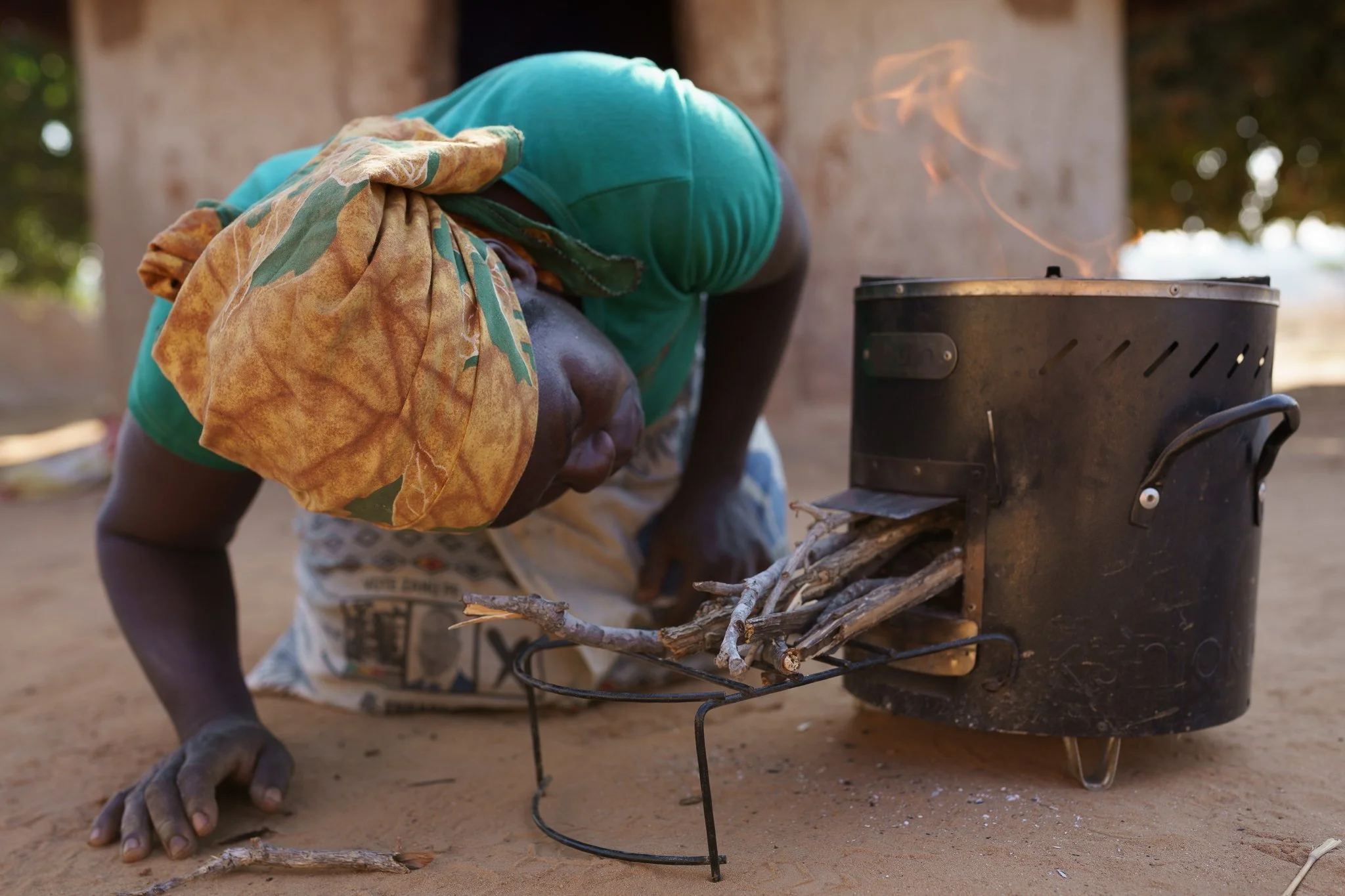
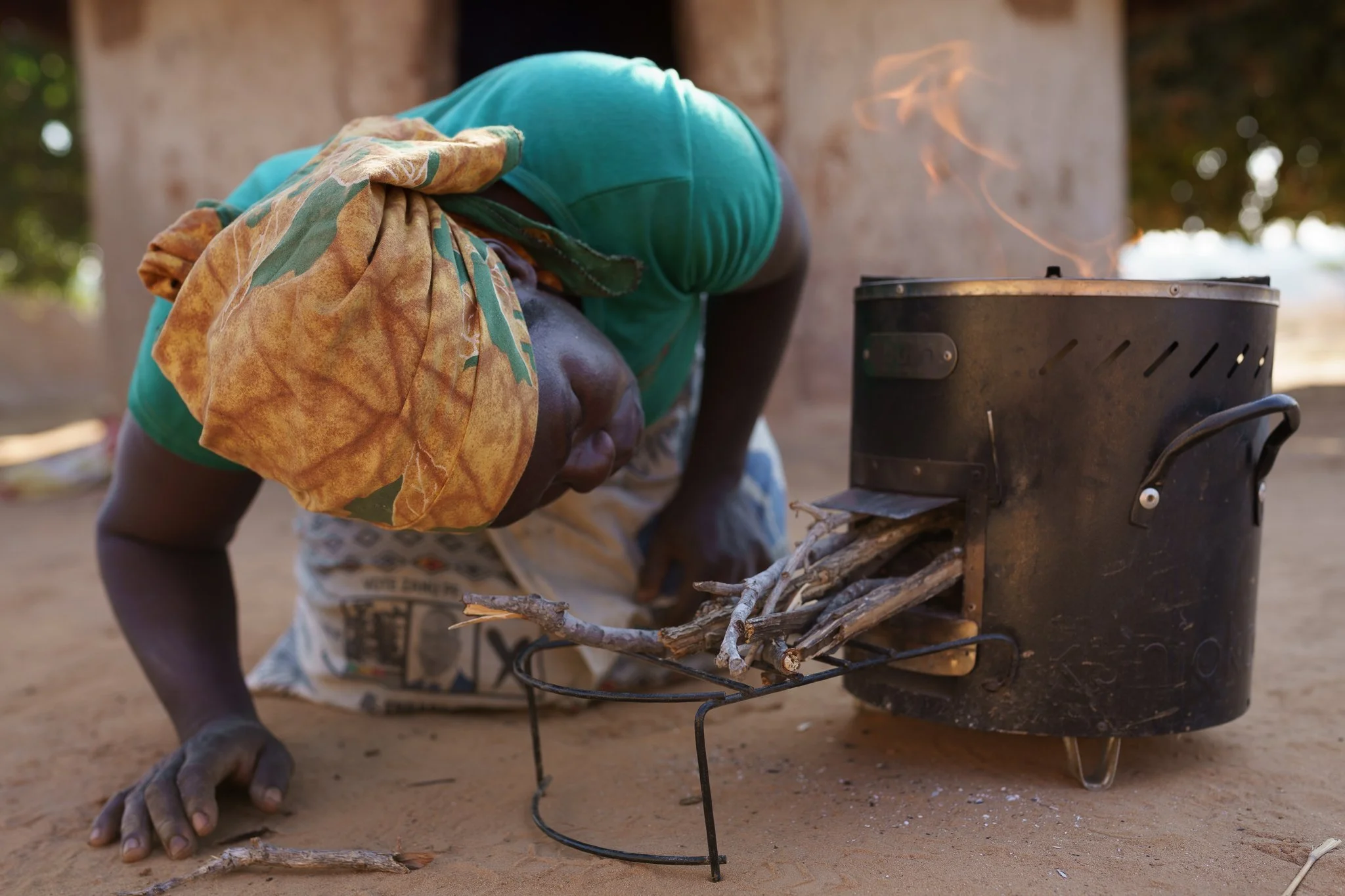
My favourite stories; I love this. I think in terms of swapping and selling, I don’t have any stories. But I think in terms of impact, I’ve got a couple of stories. There was a project developer once who told me that she asked a lady who was involved in a project similar to cook stoves, it was an energy efficiency cooking device, what made her happy about that particular project? On a cook stove project, it’s not unusual to hear that the lady is happy with the cook stove, because she’s got a job, she can afford school fees, because she’s not out collecting wood so frequently, because she has money coming in, she can buy school shoes for her children who walk barefoot to school in the winter. But this particular story, my heart still kind of softens when I hear it, is that this lady liked this particular project, because she said I can now cook with dignity. In other words, she could cook standing up and not bending over a fire.

So there are some examples where the benefits of these projects are hard to measure, but we know that the benefits that accrue to the ground. I told this story to our staff in 2021 in Washington, and I had all the ladies on the team in tears. And that particular project also has an app so they can geolocate every single device that’s distributed into the field. And this is actually a South African project, which is awesome. The nice thing about using that app is that they use it to share recipes and they’ll also use it for general health safety advice and tips. I think there are a lot of additional benefits to these projects that accrue to the ground. And that’s what kind of keeps me working in this field, seeing what people can actually achieve.

The second story I have is about solar water pumps. There’s a project in Kenya that I visited a couple of weeks ago. Basically, there are a couple of pumps that people can buy. You could put the pump down into the river or into a borehole and draw water out of it. You get a certain pump, depending on how much money you’re prepared to spend, certain lengths of pipe, depending on the head that you need to draw against.

And this particular gentleman got involved in the project and he’s a very clever MBA guy. So he’s involved in finding the funding and doing the carbon side of it. He said to me, what hooked him on the project was that he went to go and see a gentleman on site. And this gentleman said that as a result of having the pump, he now has six growing seasons in a year as opposed to one, which is guaranteed vs waiting for rain, allowing perhaps one and a half a growing season’s because the rain wasn’t so great. And as a result of having six growing seasons, he now has enough income to put his son through university. He said to the gentleman: “My son will become an educated man and I wasn’t.” So those are the kind of impact stories from these carbon credit projects that need to be told, that are told through our impact stories and that’s what makes me go to my desk every day.


Q: How is Africa doing in terms of making the most of its natural resources and obtaining VCM finance for development?

As soon as I see natural resources, I convert that to carbon projects. I see lots of opportunities being taken up in the last few years and in my travels. Obviously, I alluded to the solar water project. There are a lot of cook stove projects. I think in Kenya, what I’ve seen is a direct air capture project, which you might think is unusual because it’s these large containers that they put down that literally suck carbon out of the atmosphere. And you sort of assume that that’s for the Global North. But it requires a lot of energy to be able to suck that atmosphere in. And in Kenya, we’re sitting on the Rift Valley where we have geothermal energy, which is cheap. So I’ve seen certain companies start to put down their containers and negotiate with communities to start to do this. And this is just making use of natural resources in Africa, which I think is fantastic.

Here in South Africa, we’ve got agricultural projects. At a dairy just outside Gqeberha, the dairy farmers had data which they were using in their track and trace system, and they were able to use that to claim carbon credits, and they’re now expanding that into different sectors like the wheat and the maize sectors. There’s also grassland management, and then of course in South Africa we have a few spekboom projects coming along and then biochar has just popped its head up in the last couple of months.

I think the other opportunities in Africa are that they are all distributed, so it’s not going to be one large industrial project where we’re saving a gazillion, or million tons of carbon. It might be that it’s a whole lot of little projects. So for example, what I see in my travels in East Africa and West Africa is e-bikes, and these have started to penetrate in Rwanda, Uganda and Kenya. In Kenya, they call them boda-bodas. And so what happens is a person drives a little e-bike. They are expensive initially, but the carbon finance assists. Instead of putting fuel in it, which is obviously not good for the environment, they can then go and swap a battery. In South Africa, we swap a gas bottle, but maybe you could swap a solar charged battery. And as long as that battery is charged through renewable energy, then one could claim the carbon credits for that. And instead of using, I’ve read numbers of $11 a day being spent on fuel, it would maybe only charge them $3 or $4 a day to swap the battery. So there’s a saving there for those particular communities. But this is, again, using solar resources in Africa. So I think Africa is using its natural resources, and we just need to continue to scale to drive that carbon finance to those particular projects.


Q: Which countries on the continent are doing the right things to prepare for carbon markets?

I think it would be remiss of me to mention or point out one or two countries. I travel a lot. I’ve recently been to the East African Carbon Alliance meeting, the West African Carbon Alliance meeting. And I see a lot of policies and frameworks that are being developed presently. However, they are all at different levels: One country could be really well advanced in its policy, and another is still trying to kind of figure out the nuts and bolts of it. There’s nothing wrong with that, but I think that makes an unfair comparison for countries.

I think what’s more important is that we look at what countries are doing to encourage project developers to come into their country to build those carbon projects, either in the voluntary space or the compliance space. I think what’s important is that countries, in terms of doing the right things, don’t need to charge exorbitant prices just to list the project with the government. That information is available on the registries. Don’t withhold letters of approval, because you need a letter of approval in order to make your credits fungible to be used in the Paris Agreement. Don’t charge super high fees for corresponding adjustments, because they need to submit that to account for the impact that the project had on the ground. If they’ve sold those credits, Governments need to add it on to the carbon footprint as a country.

I think the countries need to start to make a legally sound environment. They need to be very clear in terms of their policy, what projects are acceptable in their country and what projects are not acceptable. And I think that, as I said once again, to name one or two countries at this stage would not be fair, but there is definitely movement in the right direction.


Q: What is your vision for what carbon markets can mean for the continent?

So my vision for carbon markets this time around is that African leaders and African countries don’t miss the boat, literally. So in the Clean Development Mechanism, which was under the Kyoto Protocol before, only a couple of projects were registered, and African countries were a little left behind. I think I saw something like 3,500 wind projects in China. So they capitalised on that particular opportunity. This time around, Africa, I think, needs to catch up a little bit. That said, I’m seeing a lot of movement in governments and discussions.

So as I said, I was recently at the West African Carbon Alliance and the East African Carbon Alliance, and countries will literally send delegations from one country to another to learn from each other, to learn how they are creating their policies, how they are addressing Article 6, how they are addressing their nationally determined indicators and contributions and how they can best capitalise on this market going forward. I think that that’s really exciting to see this genuine interest, this genuine attempt to scale up these markets and a lot more policies coming out. My vision would be that we have lots of projects on the continent because also there’s a lot of those social benefits that get attached to that. So the SD VIsta project, as I said, you can label your project with that. There’s a lot of benefits that accrue to the ground and to communities, which people are looking for when they buy a credit these days.


Q: Anything you would like to add.

The last thing I’d like to add is that carbon markets are not perfect. Obviously, there’s always a criticism of them. It’s the best tool we have right now. I do see a lot of impact as a result of the work that we do at a community level. And communities are definitely involved, collecting data and want to be a part of these projects and processes. Therefore, they take time because you’re trying to involve communities as well as take into account legislation and get the project process approved. So I think it’s really important that we don’t diss the market so much it fails and there is a bad actor somewhere. The most important thing now is that we need scale. We need scale to make these projects work faster and involve the communities so that we can reduce carbon dioxide. For me, I’m a mother, and I want to make sure that I leave the world in a better place for my twins.

Carbon credits: “Hard work, grit and determination” required

“Africa currently realises only around 2% of its annual potential of carbon credits.”

– UNECA report, 2022

“I suppose now would be a good time to tell you that this is not where you’re going to get rich quickly,” was the warning issued by Olivia Tuchten, Principal Climate Change Advisor at Promethium Carbon recently while leading a carbon credits roundtable at Enlit Africa in Cape Town.

She added: “Sorry, let me burst that bubble immediately. There are commercial opportunities in this space and opportunities to be profitable, but it takes a lot of hard work, grit and determination. You will find unicorns in this space, but mostly the people who make it, have made it through blood, sweat and tears.”

The roundtable was well-attended with a wide variety of interested attendees whose knowledge of carbon markets varied from being experts, to those who admitted not knowing anything at all, but who were keen to find out whether their work in the energy space (for example, project developers and solar power installers) could qualify for carbon credits.

“So this is a very rules-based system,” Olivia stated, as she explained the extended process of checks and validations by independent parties before a project can be registered in the compliance market.

A long process

During the roundtable, two project developers who are successfully developing carbon projects in South Africa also shared their experiences and advice.

Brigette Nagel, Carbon Project Developer at Anthesis leads the company’s first large-scale renewable energy project to be registered in South Africa and which is on the verge of being commissioned.

Based in the Northern Cape, the development consists of a 250-metre high solar receiver tower that absorbs thermal energy from the sun and then stores this energy in the form of molten salts. The salts are then pumped into a subcritical steam turbine, and that’s how it is converted into electricity, which then feeds into the South African grid. This project can power approximately 200,000 homes, and it can also provide power when the sun’s not shining, and it can store power for up to 12 hours.

“It’s been a long process,” said Brigette, “the registration process with Verra, it’s under VCS, the Voluntary Carbon Standard, has also been quite a long process, but we are almost there and hoping to get it registered.”

Anthesis recently achieved another milestone with its pioneering AgriCarbon carbon farming programme, becoming the first carbon farming initiative in Africa to achieve registration and carbon credit issuance under Verra’s VM0042 Agricultural Land Management methodology. [Read exclusive interview with Brigette Nagel here.]

Money on the table

Dr Marco Lotz of Carbon Disclosure South Africa explained how smaller companies too can get a piece of the carbon pie: “There’s just so much money left on the table for smaller carbon credit projects, which are so difficult to group and actually capitalize on.”

He continued: “I decided to put my money where my mouth is, and in July 2023, I formally started a project for distributed solar installation. So, any solar installation in South Africa smaller than 15 megawatts and that exports less than 50% of its electricity to the grid can participate. The project went through validation with a lot of grace, that was the first audit, and we were registered in November 2024. So for two and a half years, I just kept quiet and did the work, and I did it with my own money.”

He adds: “So now we’ve got this project, and we can say there’s money on the table. If you’ve got a solar installation in South Africa, under certain conditions, we’ll do all the work at risk, and we’ll come back with some money for you.”

Not enough credits to make Sasol happy

Carbon markets expert Olivia Tuchten said the South Africa carbon market is “protected from some of the shocks that happen externally with the geo-politics and broader issues around perhaps pricing. We’ve got a much more contained, regulated carbon tax market.”

She continued: “While there’s also this growing voluntary market, certainly the carbon tax market is a safe place to be. It’s not at the highest of prices, it’s not the easiest market to get into, but it’s got a couple of things that make it very attractive for project development.”

Heavy emitters, such as Sasol or mining, steel or cement companies are allowed to offset their carbon tax liability between 5%–10% percent of South African carbon offsets. “These are carbon credits that already meet all the rules of the carbon programme and the auditors,” Olivia explained, “And that’s amazing, because we have a regulated price for our carbon tax. So, number one, we have a price certainty. Number two, our demand for carbon credits currently far outweighs our supply. So already, the market dynamics are really working in our favour.”

According to Tuchten, Sasol is almost a guaranteed off-taker, although “this will not last forever. But at the moment, we just don’t have enough carbon credits to make Sasol happy.” She estimated what someone can expect to pay for a carbon credit in the South African carbon tax market currently: “We know that Sasol will pay about 80% of the carbon tax rate every year. So at the moment, our South African carbon tax rate is R236, so 80% of that is just under R190.”

The right thing to do

On the role that carbon credits could play to channel finance to climate change-mitigating projects on the continent that are not financially viable yet, Tuchten said “in many ways, it’s the right thing to do. We’re in a climate crisis. Carbon credits represent a flow of finance to projects to make them financially attractive, not necessarily bankable yet, but these projects do need a jump start, which is where carbon credits come in.” [For more in-depth insights, read an exclusive interview with Olivia Tuchten here.]

Image: Carbon credit roundtable attendees at Enlit Africa, May 2025.

This article first appeared in the Green Economy Express newsletter, published by Africa’s Green Economy Summit.