

Agri carbon credit projects: “We don’t need brokers. We need projects with strong social and economic impacts.”
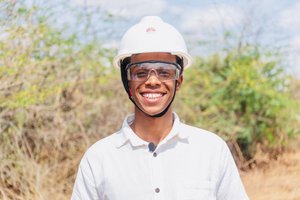
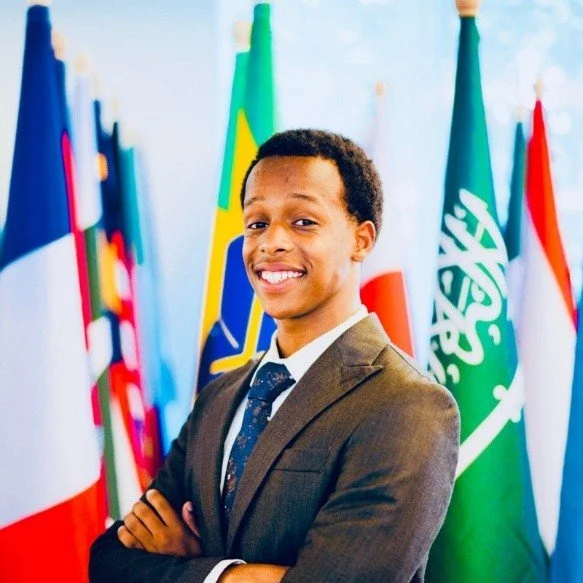
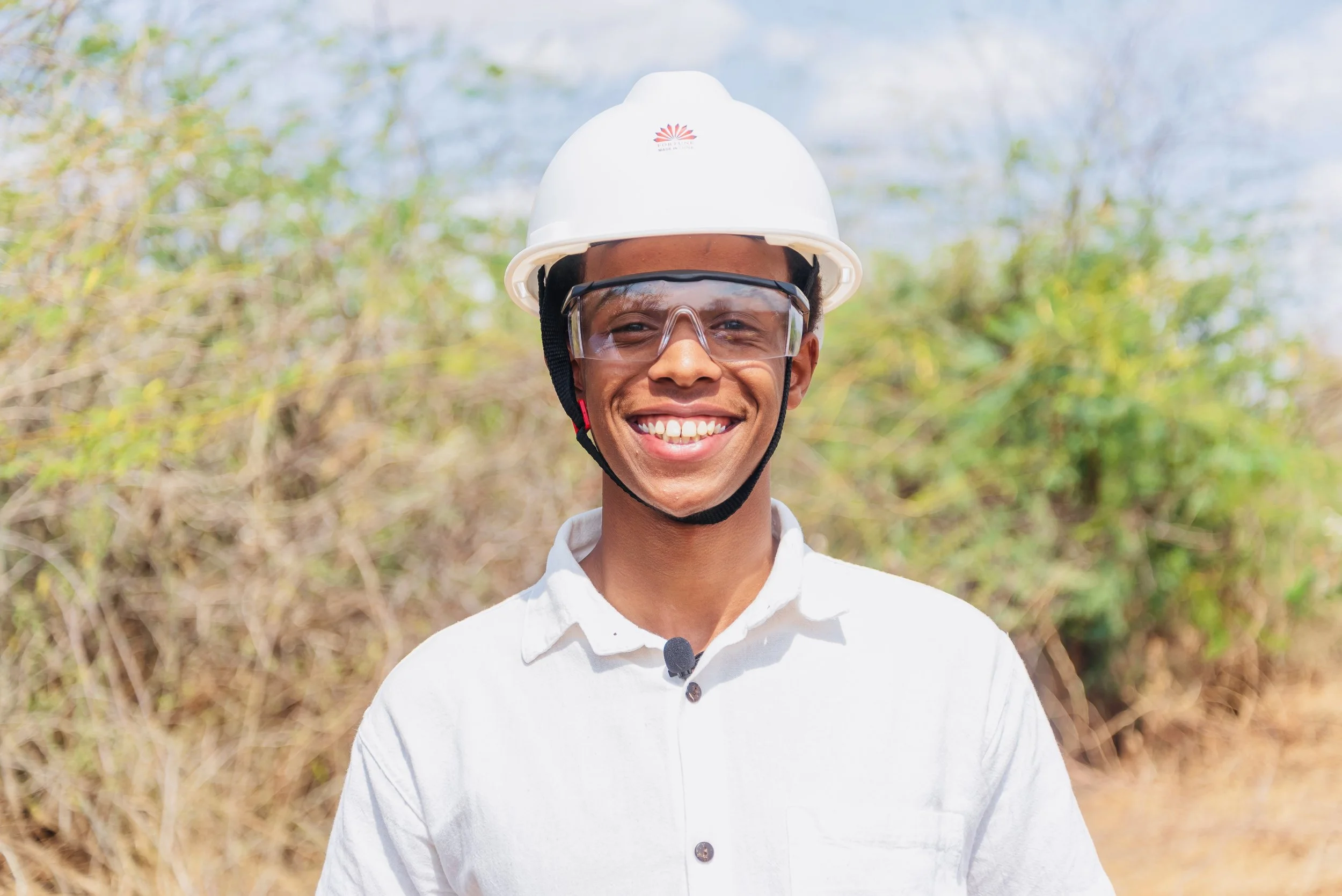
Exclusive interview with Abdilahi Nuh, Founder and CEO, Presto Innovations, Kenya. He was a speaker at the preconference day on the carbon project development process at the inaugural Carbon Markets Africa Summit in Johannesburg in October 2025. 

Interview Summary: 

Abdilahi Nuh describes his journey from early curiosity about environmental issues to becoming a leading carbon-removal project developer in Kenya. Growing up in a community where climate change was viewed as purely spiritual, he worked to build awareness, co-founding the Green Youth Union in Somalia to educate young people and elders about climate risks. His deeper immersion into carbon markets led to the creation of Presto Innovations, a climate-tech venture focused on carbon removal, regenerative land use and community-driven environmental restoration. The company’s flagship biochar project in Garissa County transforms invasive species into a tool for carbon sequestration while empowering smallholder farmers, women and youth.

Nuh highlights Africa’s strong potential in carbon markets due to its abundant land, biomass and ready communities, though challenges remain, including evolving methodologies, regulatory inconsistencies and the complexities of local engagement. He believes African countries like Kenya, Rwanda and South Africa are setting the pace with clear frameworks and community-centred policies. His vision is for high-integrity, community-led projects where revenues flow directly to local people. He stresses the essential role of youth and entrepreneurship in shaping fair and effective carbon markets. Nuh describes the Carbon Markets Africa Summit as a pivotal event that fosters collaboration, innovation and African leadership.


Thank you for joining us. Please can we start with some background on you and your organisation.
I am an engineered carbon removal project developer based in Nairobi, Kenya. 

I’ve always had a naturally curious, charismatic way of exploring big global issues. That curiosity eventually pulled me deep into climate and environmental work a path that wasn’t obvious in the society I grew up in. Where I come from, many people believe that climate is entirely in the hands of God, which is true in a spiritual sense, but it also means people often aren’t aware of how human actions contribute to environmental change. 

When I first started talking about climate and carbon removal, people would laugh or brush it off. But I kept learning taking courses, fellowships and leadership programmes and slowly watched the attitude shift. People around me began to understand, ask questions and to take the issue seriously. That transformation motivated me to take the knowledge back home. 

I co-founded Green Youth Union in Somalia, focusing on educating communities especially youth and elders about climate change, land degradation and the future risks facing the region. We partnered with universities like Plasma University in southern Somalia to run awareness programmes. Funding challenges eventually limited the organisation’s activities, but the impact on people’s awareness stayed with me. 

Later, I came across the world of carbon markets. I immersed myself fully, studying different projects, methodologies, learning how projects are built, and engaging with developers across the continent. That journey eventually led me to start Presto Innovations, which is an African climate-tech venture working on carbon removal, regenerative land use and community-led environmental restoration.  

Tell us more about Presto Innovations and the projects you are involved in.
Presto Innovations really is a climate tech venture focused on carbon sequestration or rather carbon dioxide removal, working with smallholder farmers. Our work is grounded in the belief that climate action must uplift people while restoring ecosystems. 

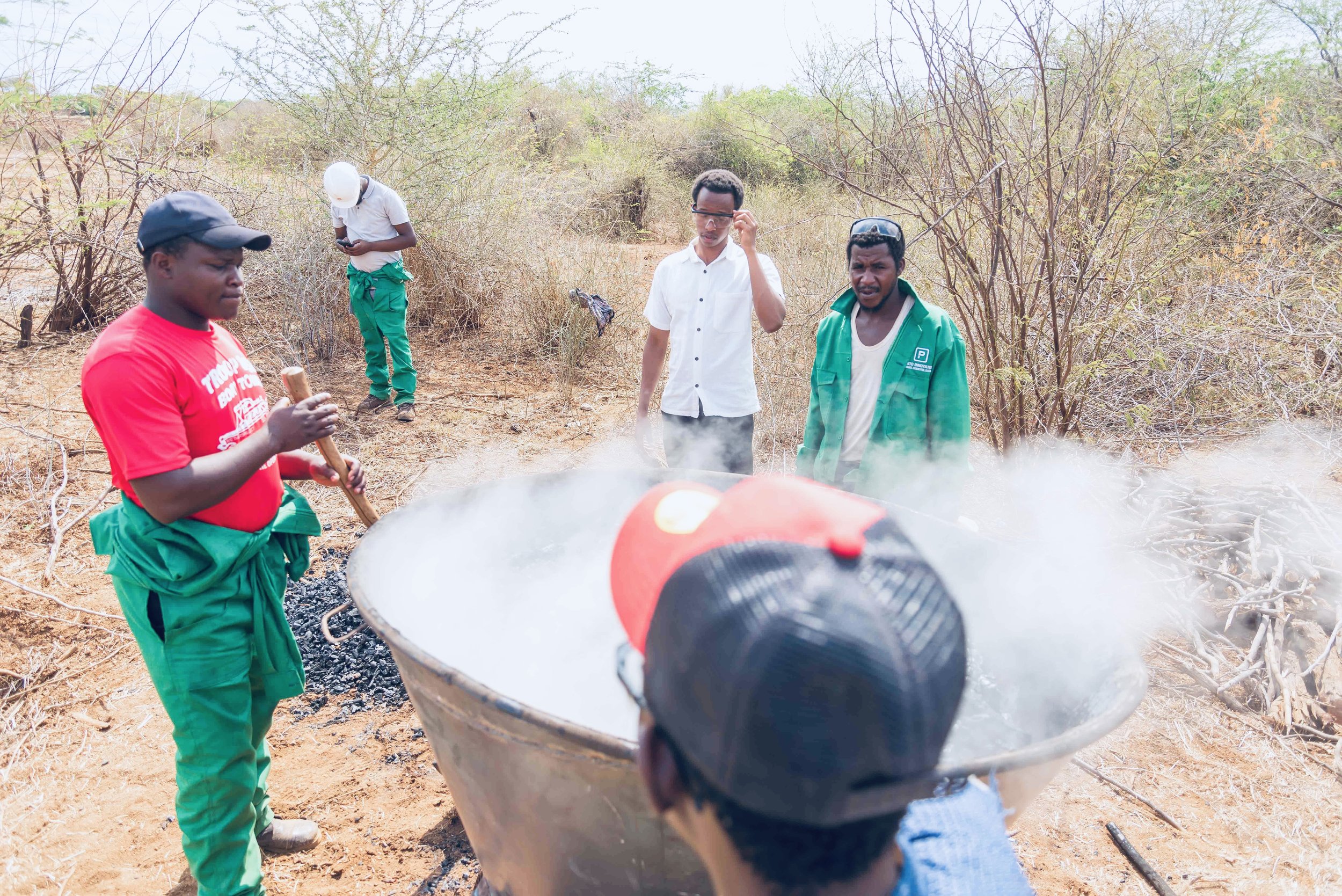
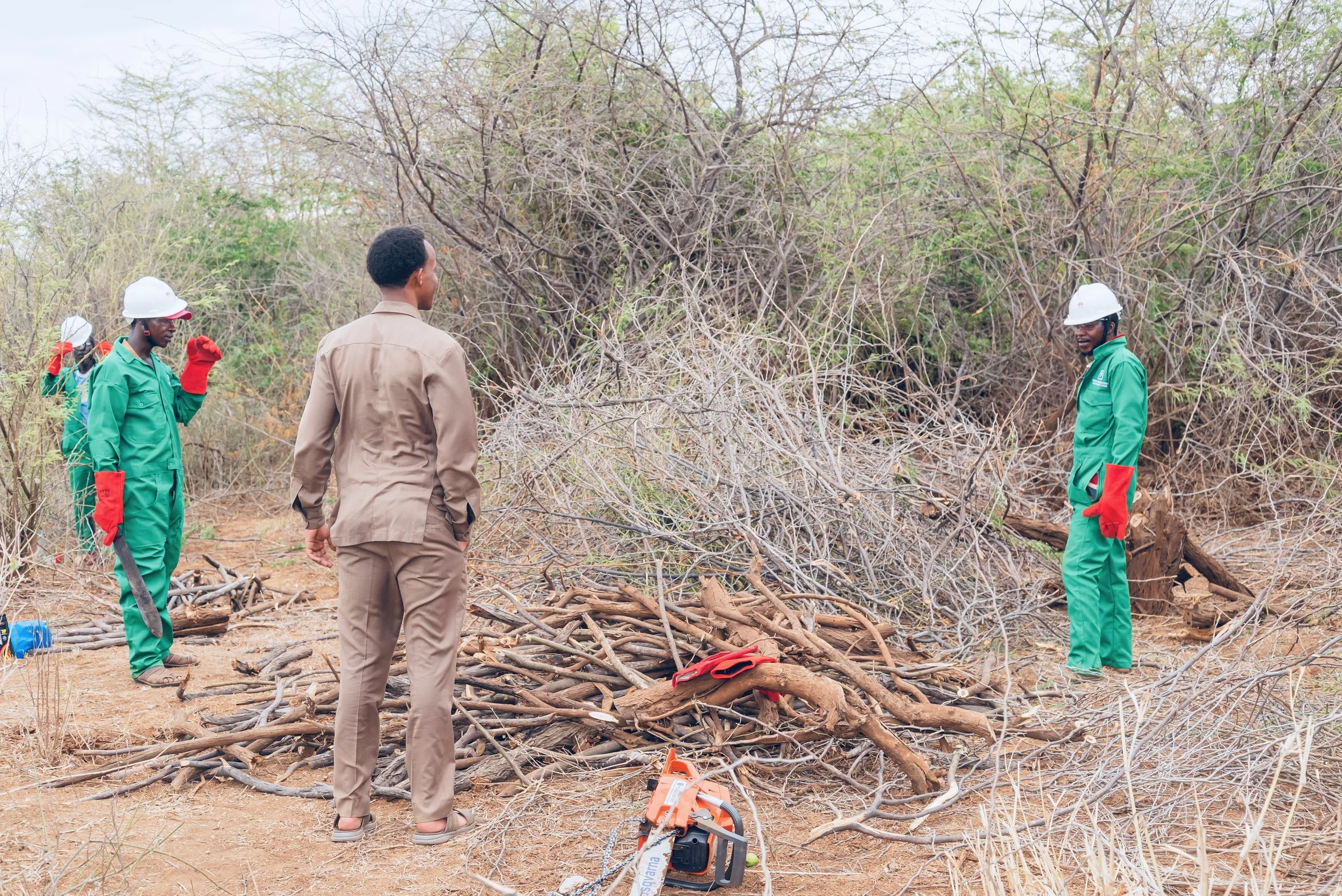
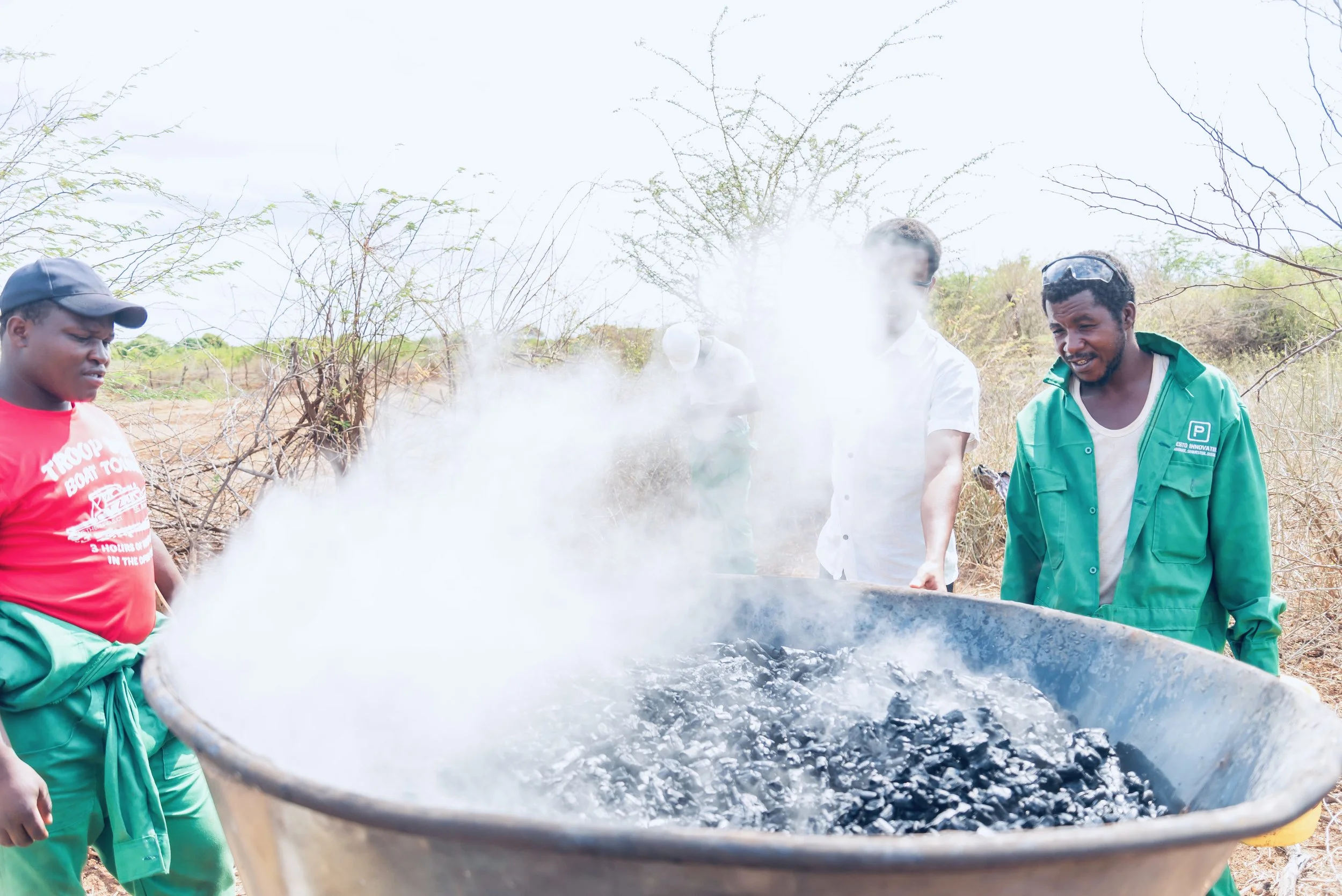
We’ve just completed our flagship project, which is a biochar carbon dioxide removal project using invasive species like Prosophis juliflora as our biomass North Eastern Kenya, Garissa County. 

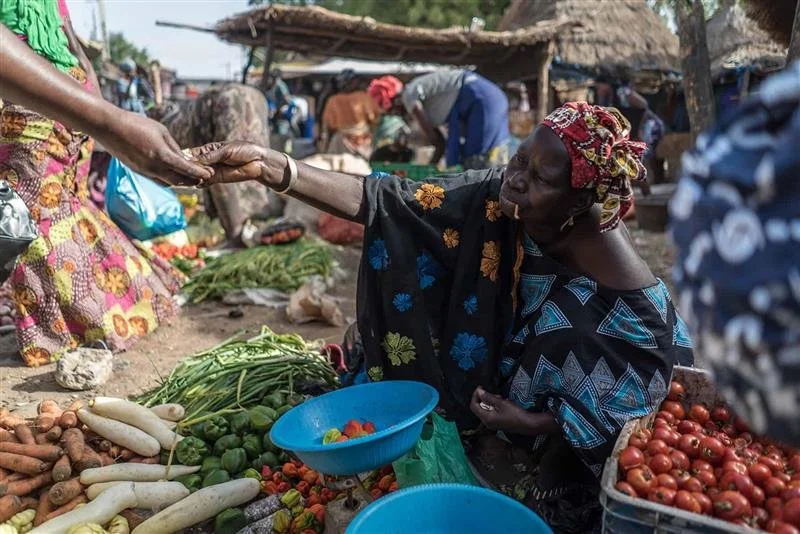
What we’re trying to do is put farmers at the forefront of the climate solution. As you all know, agriculture is one of the biggest emitters. Around 25% of global greenhouse gas emissions come from the agricultural sector. So our goal really is to empower smallholder farmers. It’s not just about carbon removal and carbon markets, but really trying to empower these farmers, the women, the youth, and put them at the forefront of the climate solution. 

How important is the continent for the future of carbon markets? 

Africa really is a frontier because we’ve got the land, we’ve got the biomass and abundant feedstock. Communities are really ready to participate. And I personally believe that carbon markets could unlock billions in climate adaptation and rural development. 
You are working in a system that is constantly evolving and changing. What are the main challenges in your view?
There are a lot of challenges. Just to mention a few: there is a lot of uncertainty in methodologies, slow verification processes and inconsistent national regulations. Many early-stage project developers struggle with Registration and MRV costs. That’s on the cost side.  

But with implementation on the ground what we have to consider is dealing with the county or the area location you’re doing the project in dealing with the national government, which has a lot of back and forth. Then lastly, dealing with the farmers. One thing we’ve realised is, it’s not easy to deal with farmers. So, it’s not good to come off as an authority trying to work with the farmers, but rather working with them and making the project a community-based project where they run the project, and you’re the one helping them run it.

How is Africa positioned in your view to take advantage of this burgeoning opportunity?
I would say Africa is positioned perfectly if we prioritise transparency and local ownership. We’ve got the natural assets, we’ve got the urgency, but what we need is capacity building and strong policies to really guide carbon-removal project developers and ease the process of making Africa a frontier in the carbon market space, considering that the Global South is very impacted by climate change.

Which countries on the continent are doing the right things to prepare for carbon markets?
Just to mention a few, my country Kenya, Rwanda and South Africa are doing fantastic work and are leading in carbon markets. They’ve built regulations to guide project developers and putting emphasis on communities and benefit sharing. They’re developing Article 6 frameworks, national registries and clear carbon market guidance. In short, they are like a hub for all African countries kind of follow what these regulations are doing and to really guide private project developers. 

What is your vision for this sector? And particularly regarding the role of youth and entrepreneurship. 

My vision for this sector is making carbon credit projects locally led by the communities and having high integrity carbon credits. What’s really important in the sale of carbon credits, rather climate finance, is that these funds go directly to the communities. We don’t need brokers; we don’t need intermediaries to help facilitate this. We need projects that not only have carbon credit sales or are beneficial to the climate, we need projects that have strong social impact and economic impact for the areas where the projects are being done. 

It’s incredibly important to be a young person working in this space, and equally important that we bring even more young people into the carbon markets space. In the broader climate conversation, youth are the generation that will live longest with the consequences of today’s decisions especially those made on international platforms and at major climate conferences. 

That’s why our involvement isn’t optional; it’s essential. Young people need to understand how carbon markets function, how policies are shaped, and how these mechanisms influence climate action on the ground. The more informed and engaged we are, the better positioned we’ll be to advocate for fair, transparent and effective systems. Ultimately, youth participation helps ensure that carbon markets evolve in a way that genuinely supports sustainable development and safeguards our future. 

And when we talk about youth, we also have to talk about entrepreneurship. Many young people aren’t waiting for opportunities they’re creating them. In my case, I’m building a climate-tech venture focused on carbon dioxide removal with smallholder farmers. Right now, we’re producing biochar from invasive species such as the problematic Prosopis juliflora, transforming something environmentally harmful into something valuable for the climate, for people and for the soil. 

This is just one example of how young innovators can turn local challenges into climate solutions. With the right support, youth-led enterprises can play a major role in strengthening carbon markets and driving real, tangible impact on the ground. 

You were a speaker at the inaugural Carbon Markets Africa Summit. What was your experience at the event and what was the engagement like?
It was a fantastic experience and powerful. I got to meet a lot of people where our conversations were honest and practical, not just theory, I connected with digital MRV potential partners and investors that we will be working with to do our projects. I met international organisations who are very keen and interested to be a part of the carbon market space where they see carbon markets as a development tool, not just a financial mechanism.

As you may know, now the world is moving away from donor-funded projects. Rather that they need and what they’re looking for is projects that can sustain themselves.

How important is such an event for the continent?
It’s extremely important truly critical for the continent. The Carbon Markets Africa Summit came at a pivotal moment for the carbon market space. While many people see carbon markets as a new or emerging sector, the reality is that the market has existed for years; what’s changing now is Africa’s level of engagement, ownership, and visibility within it. 

Events like this are essential because they bring policymakers, financiers, technical experts, and project developers into the same room. That’s where real momentum begins when decision-makers and practitioners can speak directly to each other, align their priorities, and identify practical pathways to unlock Africa’s potential. 

For a continent with enormous natural assets, millions of smallholder farmers, and rapidly growing climate-tech innovation, these conversations help remove barriers, build trust, and accelerate investment. The summit creates a platform for African voices to shape the rules, the standards, and the future direction of carbon markets globally. And most importantly, it ensures that the benefits of these markets actually reach African communities on the ground. 
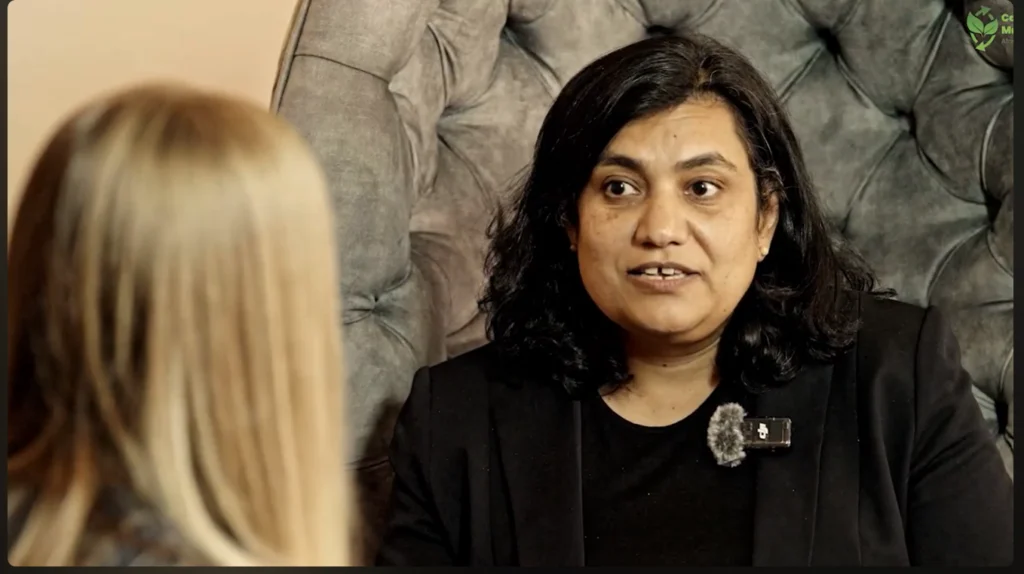
FSD Africa at CMAS 2025: Reshma Shah on Financing a Greener, more inclusive future

At CMAS 2025, conversations around climate finance, inclusion, and long-term resilience took on new urgency — and FSD Africa has been leading the charge in shaping solutions that address all three. In an exclusive onsite interview, Reshma Shah unpacked the organisation’s vision for mobilising climate and green finance that not only accelerates sustainable development, but also ensures that communities across Africa benefit equitably.

Reshma highlighted the importance of innovative financial instruments, partnership-driven approaches, and market-building strategies that can create real impact on the ground. Her insights underscore how platforms like CMAS 2025 are helping align capital with climate ambition — driving a greener, more inclusive future for the continent.

AUDA-NEPAD at CMAS 2025: Ravi Raichoora on Turning Policy into Action for Africa’s Green Transition
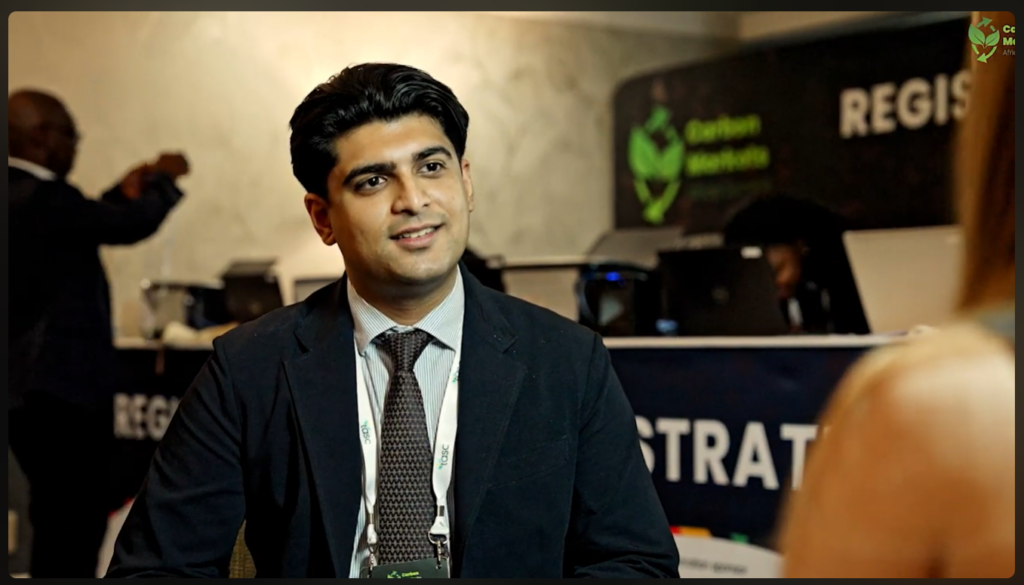
At CMAS 2025, the conversation around enabling real, scalable climate action across Africa took centre stage — and AUDA-NEPAD has been at the heart of that mission. In an exclusive onsite interview, Ravi Raichoora shed light on how the organisation is working to close the critical gaps between policy, planning, and investment to unlock a more resilient and sustainable future for the continent.

Ravi’s insights highlight the importance of coordinated implementation, stronger institutional frameworks, and collaborative partnerships that can turn high-level ambitions into on-the-ground impact. His perspective offers a clear view of the systems Africa needs to accelerate its green transition — and how platforms like CMAS 2025 are helping drive that momentum forward.
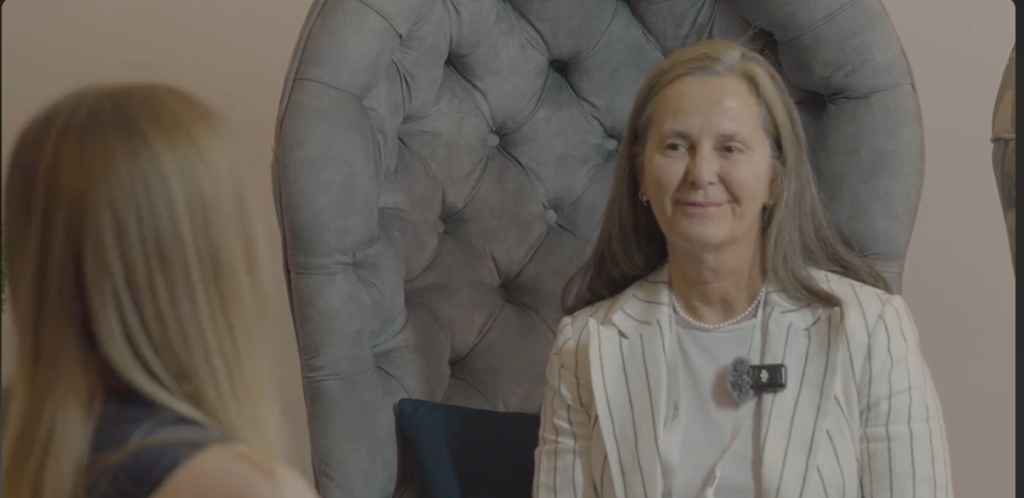
SGS at CMAS 2025: A Conversation with Francesca Cerchia on Africa’s Carbon Market Future

At CMAS 2025, the momentum around Africa’s climate finance and carbon markets was unmistakable — and few voices captured this energy as clearly as Francesca Cerchia, Global Head of Climate Solution, Industries & Environment at SGS.

In an exclusive onsite interview, Francesca unpacked the rapid evolution of Africa’s carbon markets, the essential role of collaboration, and how innovation is reshaping pathways to sustainability across the continent. With a strong focus on building trust, improving transparency, and boosting investor confidence, she highlighted how CMAS 2025 has become a catalyst for meaningful progress and stronger climate outcomes.

This conversation offers valuable insight into the opportunities ahead for Africa’s green transition — and the systems needed to make them thrive.

Trees for the Future: “Our mission is to assist farmers to restore land and unlock prosperity.”
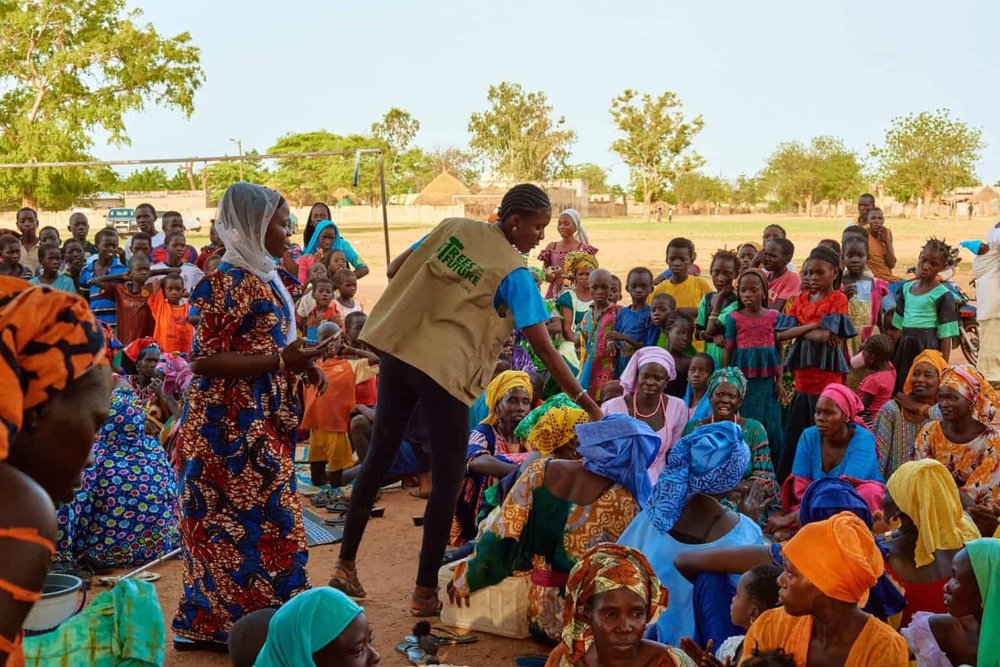

Exclusive interview with Tim McClellan, CEO, Trees for the Future, a gold sponsor at the upcoming Carbon Markets Africa Summit.  

Greetings. I’m Tim McClellan. I’m the CEO of Trees for the Future. I’ve been in this role about 3 1/2 years, and I joined an organization that’s 35 years old. It’s dedicated to the service of smallholder farmers in Africa.

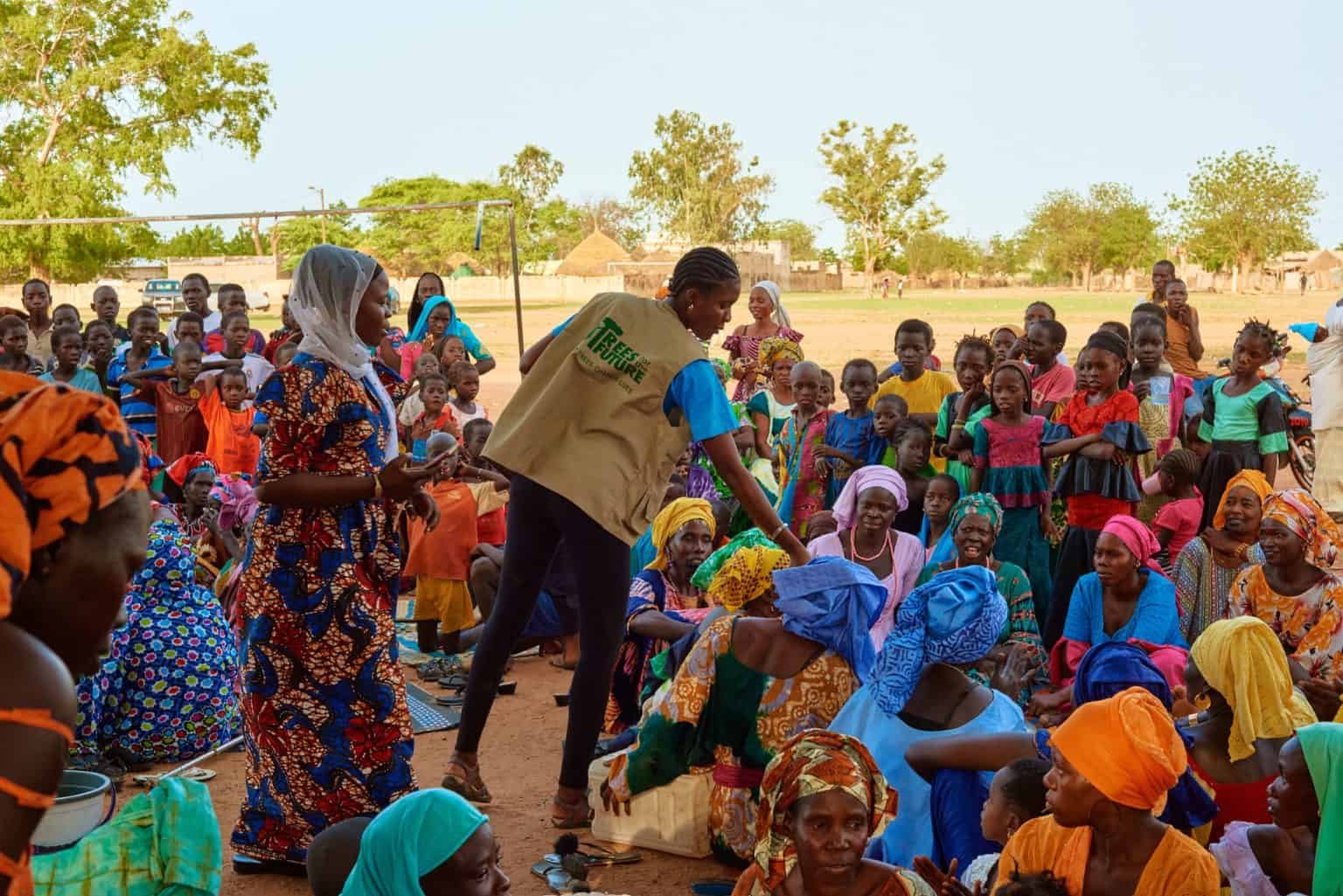
Our purpose is to assist them in building agroforestry systems and we help them to do that on degraded lands that they have typically inherited through many generations.

What does Trees for the Future do?
Our mission at TREES is to assist farmers to restore land and unlock prosperity. In doing so, we expect them to grow into what we call thriving climate changers. They are the people in the world most vulnerable to the changes of climate change.

With our assistance and with their hard work and ambition, they are also the people who can be one of the most powerful agents of change in mitigating climate change.

With our programs, we want them to benefit through increased income and increased food security. We also want their lands to be restored in such a way that there’s increased biodiversity.

And this is an and it’s not a purpose, one of their crops is carbon – because of the way we support them to change their land use, they are great sequesters or mitigators of carbon dioxide in the atmosphere.

And in that way, great partners with all of us to stem the challenges of climate change.

What is the Forest Garden Approach?
About 10 years ago we consolidated around this approach, and we’ve now instituted about 70,000 of what we call forest gardens.

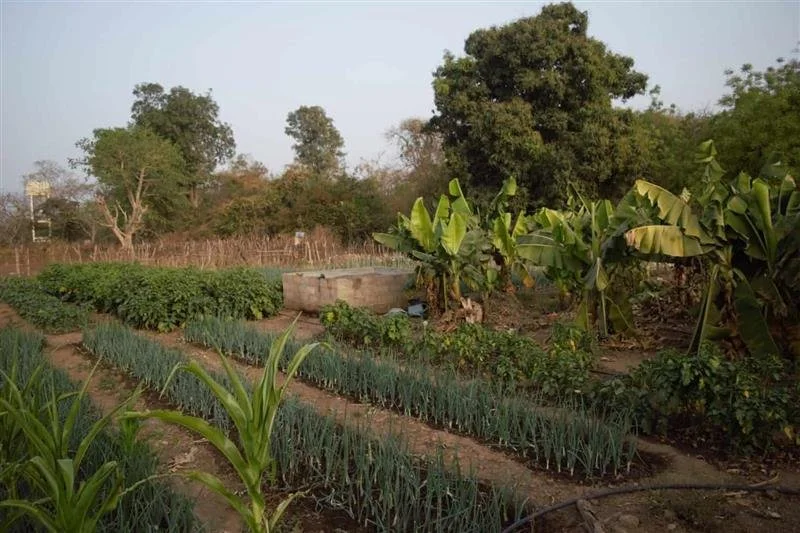
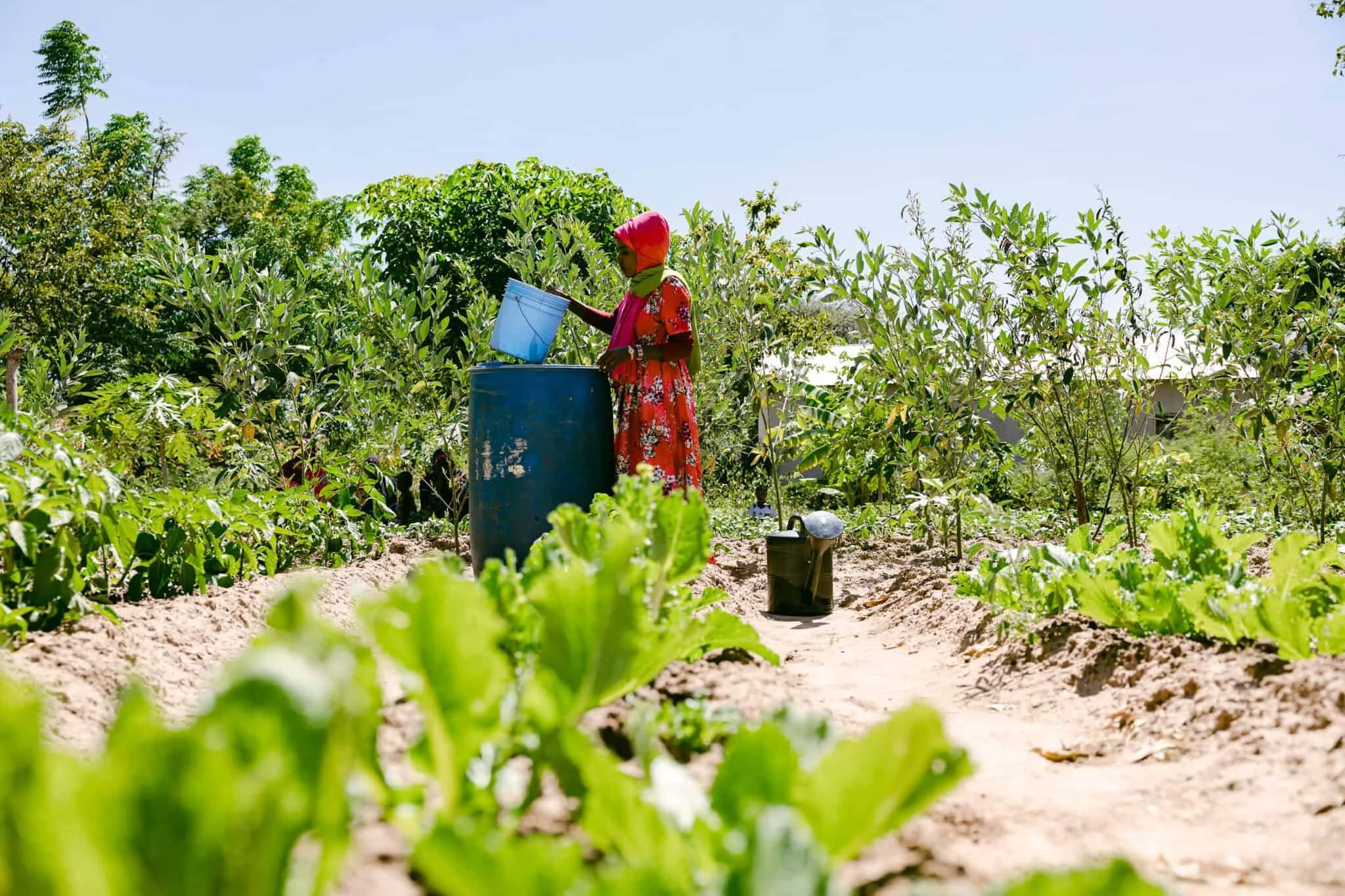
The forest garden first and foremost is a portion of the property that the farmer agrees to take out of annual mono crop production and shift into a multi strata agroforestry system.

And the first initiative is usually to surround the property that they wish to put into production, usually between an acre and a hectare of land and that perimeter that we ask them to make is a live fence. It’s a tightly spaced, densely packed set of trees around the full perimeter of the property.

It’s first and foremost a barrier, particularly to animals, so there’s typically a thorny species on the outside.

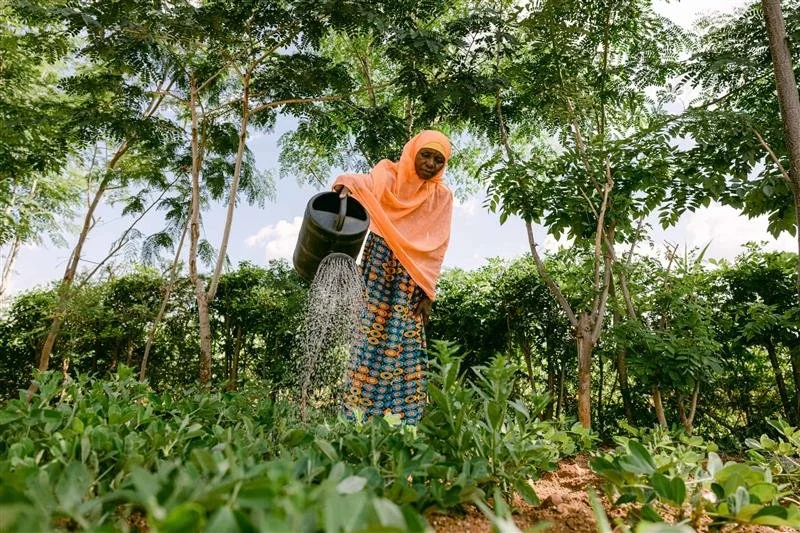
There’s a nitrogen fixing species on the inside that’s good for soil amelioration, but also good for Fodder and fuel.

The wall itself initiates what our overall purpose is with the farmer, which is to proliferate new enterprises. Once the barrier is well established, then you can accelerate that process.

We typically encourage farmers to engage in vegetable gardening, both for their own use and for local markets.

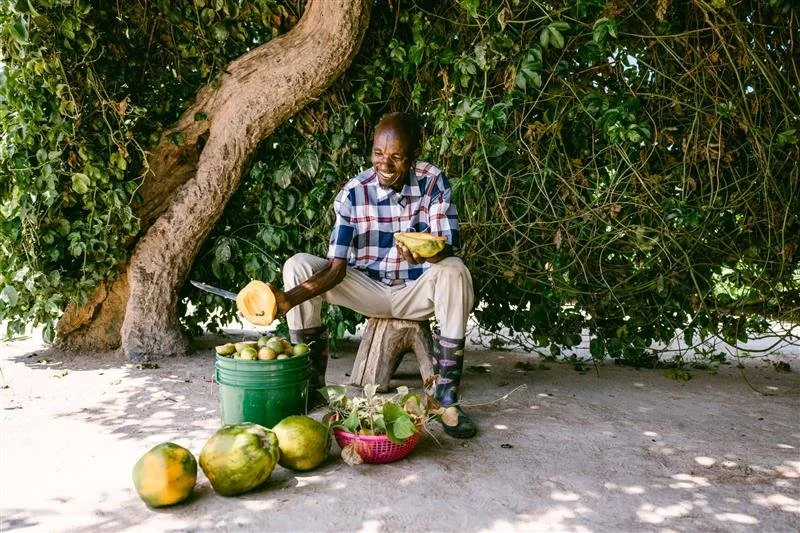
Fruit trees are introduced based on the market dynamics and what’s most suitable for sale, either locally, regionally or hopefully internationally with many of our farmers.

So the idea is to add this diversified approach to their overall resilience strategy and it’s first and foremost before carbon, an approach to make their day-to-day income from the farm, much more reliable and diversified.
Where does carbon fit in?
The carbon comes about because there are so many densely packed trees on the property. It’s actually a great carbon play also.

And so, what the carbon becomes for them is an additional crop and their share of the carbon sales, which we’re able to arrange in international markets on their behalf, becomes a payment every three years. That’s an additional crop for them of very high value.

Obviously for any land use program, we like other projects in this area have to deal with the issue of permanence. Our approach to that is I think foundational in the way we set up the agreement with the farmer.

So, we enter into a long-term agreement with them as part of our free prior informed consent activity.

We first and foremost have to help them understand what all this is about. So how is carbon created? How does that add up on their farm? What types of practices are likely to maximize carbon, and how is that likely to affect them? And how it fits in with other strategies that they have for the land, be that selling fruits, selling timber.

Balancing all of those needs. It’s the holistic approach, I think, that allows the farmer to count on lots of different sources of income and benefit, both for subsistence and also for new income.

That means we’re looking to invite the farmer into a generational impact that is consistent with the long-term nature of a carbon project. We typically are currently operating under standards for 40 years.

It’s our ambition that the farmer and his or her descendants are getting so much out of the farm, both from a carbon perspective, but from a product and enterprise perspective that it’s just a great business for them.

It’s an intensive model, so we work with the farmers in an intensive way for four or five years and in a lighter touch thereafter, all for the purpose of creating a sustained impact.

How do small holder farmers and carbon fit together?
If you think about Africa with 30 million smallholder farmers, many of them are still making difficult decisions, whether to stay on farms that are increasingly difficult to manage in the face of climate change impacts, droughts, floods, pests, or move to the city.

We think that there’s a great opportunity to restore over 600 million acres of degraded land, treat the resilience needs of this many millions of farmers and their families, and stabilize food systems for the duration of what’s going to be a difficult time period in the next several 100 years with respect to climate change.

We need to have better answers for farmers, and I think Africa brings both the opportunity for cost-effective offsetting for other companies and countries that are looking to support climate response and it fits very well with the needs for capital here in in Africa to deploy for the betterment of both land and people.

What is the role for Africa?
I think what we’ve experienced in the last five years or so is the various jurisdictions on the continent trying to assess and develop their regulatory environments so that they’re suitable and aligned with the global compacts that we’ve made through the UN and through the Paris Agreement and subsequent efforts.

These are hard things and frankly the standards are shifting all the time on the jurisdiction so I think what you can see is that the countries that have gone furthest the fastest and been nimble

in getting their legislation in place and getting their policies set up are reaping the benefits already.

And then I think the second piece is Governance around projects. I’ve worked my entire life in global development, and I think my experience so far in the carbon markets is that the requirements for transparency for traditional kind of monitoring and evaluation and learning now MRV in the carbon markets.

It’s simply at the very highest standard, and it will continue to become that much more rigorous.

Projects, regardless of where they are, not just in Africa, it could be in Iowa or Brazil, you know, they just need to meet up with the market requirements and we need to proliferate the number of projects that are a counterfactual to the noise that we’ve seen in the market so far with various gaps in transparency, gaps in integrity. You know the new projects coming online need to be determined to show that this can be done, it can be done well with reliability and and good integrity.
Where is TREES working?
For TREES, our initial carbon investment has been in Kenya. We’ve situated that investment on the Eastern Shore of Lake Victoria.

We have a global ambition to have a landscape scale intervention with farmers who are partnering with us surrounding the lake.

So we want to move as soon as we can into other countries where we’re already operating, that being Uganda and Tanzania with carbon initiatives.

We’re also invested in West Africa and Senegal and Mali. We would also love to move our carbon initiatives there.

And we have ambition to be useful throughout the continent, where that makes sense for countries that are progressing on their strategies and our own skills.

And at some point, we hope that others will take up our techniques and amplify them further.

We don’t feel like we have to be everywhere and do everything. We foresee a day where our methods become replicable and become taken up by others, and we would find great joy in that.

Why is TREES at CMAS 2025?
I am so looking forward to CMAS and having a really strong presence at the conference.

We feel it is a huge opportunity for learning. You have investors, you have other project developers, you have standards agencies, specialists, vendors of all types.

So you have the right ecosystem in the room to really accelerate everybody’s partnership and learning on the continent.

And secondly, I think we have a particular role to play.

We really are a farmer first organization that wandered into carbon because it seemed to make sense because of the way our overall programs were situated.

We really haven’t adjusted our projects in terms of how we do them much to make them into carbon projects.

We’ve had to build the pieces around that. You know our forest garden approach has had to be supplemented with the MRV and all the technical aspects of being in the carbon market.

But Ayub, who’s a member of our team, you know one of our farmer partners from Migori in Kenya, is going to be joining us.

And I think that’s been very important for us to really center some of the discussions around the farmer’s voice, the community’s voice.

If we’re not serving Ayub and his community members, we have no reason to exist, carbon or not.

So we’re keen to bring that perspective that is maybe unique and and additive to the overall plenary activity

What do you want to gain from CMAS 2025?
I’m most excited to be in this room with so many other practitioners – it’s a really important time for the carbon market.

We are seeing some resistance to the market in various sectors. We’re also seeing successes.

So, I think maintaining the momentum, maintain the momentum for the African market as a great place to develop projects and to fund projects, I’d love to be a part of making that be true through our conference and through our readouts to the broader community.

We have a special place in Africa in the global response, and it’s time now to make that emphatically our message collectively.

Final thoughts before CMAS 2025?
I’m Tim from Trees for the Future. I’ll be there with several colleagues. We are so eager to meet all of the many partners, investors, colleagues, practitioners and can’t wait to be with you all.

EMOBILITY INTERVIEW: “African cities have enormous potential for reducing carbon emissions”

Exclusive interview with Stefan Simon, CEO of SURUS Automotive in Tunisia. Stefan is a speaker at the inaugural Carbon Markets Africa Summit in Johannesburg in October.

  Stefan Simon, CEO of SURUS Automotive in Tunisia
Stefan Simon, CEO of SURUS Automotive in Tunisia

Interview Summary: In this interview, Stefan Simon, CEO of SURUS Automotive in Tunisia, explains how his company is driving Africa’s transition to electric mobility. SURUS manufactures affordable electric motorcycles and vehicle platforms designed specifically for African conditions, with factories in Tunisia and Senegal supporting local production, skills transfer, and job creation. Simon stresses that Africa, with its rapidly growing population and transport needs, has enormous potential to cut carbon emissions and benefit from carbon markets. While regulatory frameworks under Article 6 are still limited, he sees carbon credits as a way to lower EV costs and accelerate adoption.

He highlights growing enthusiasm across the continent, with governments and customers increasingly recognizing the economic and environmental benefits of EVs. However, he notes that widespread education and stronger institutions are needed to fully unlock Africa’s carbon market potential. At the upcoming Carbon Markets Africa Summit, Simon plans to emphasize Africa’s abundance of solar energy and the ease of monitoring carbon credits in transport via digital tools. For him, the real value of such events lies in building trust, fostering dialogue, and unlocking investment for Africa’s sustainable future.

Q. Thank you for joining us. Please can we start with some background about you and your role at SURUS Automotive.

Thank you very much for the opportunity to present our company. I have a technical background but over a working period of more than 30 years, I learned my lessons also in legal and commercial experiences. The company that I am representing is SURUS Automotive SARL, a manufacturer of electric vehicles, based in Tunisia. African cities have enormous potential for reducing carbon emissions. That is the reason why our company is focusing on the development of the electric mobility sector in Africa.

Q. Tell us more about the projects you are involved in.

At the conference, I would like to share my vision on how scalable transport solutions can contribute to city climate actions. SURUS core value proposition revolves around offering affordable electric vehicles for local production. We are now building factories in Tunisia and Senegal to manufacture electric motorcycles under white label branding for building up national manufacturing identity.

Q. What percentage of your work is in Africa?

Our company slogan is: Designed in Africa for made in Africa. Our motorbike, for example, is a strong and reliable workhorse towing a trailer and designed for the roads of Africa. From Tunisia we are aiming for local content in other African countries: technology transfer, capacity building, and job creation. So, more or less than 100 % of our work force is focused on the continent development.

  SURUS Automotive’s e-Rider, an electric motorcycle.
SURUS Automotive’s e-Rider, an electric motorcycle.

Q. How important is the continent for the future of carbon markets?

Not everyone has yet grasped the fact that Africa will be the fastest-growing market of this century. I’m likely to live to see a time when the population of Africa will be as large as the combined populations of India and China. What impact will this have on the Earth’s carbon dioxide balance? Africa needs a lot of vehicles. Indirectly, the possibility of carbon credit sales can help to reduce the production costs of electric vehicles for Africa, which would, in turn, lead to a wider adoption of electric mobility in Africa.

  SURUS Automotive also produces the Rolling Chassis, a skateboard platform with an electric powertrain for any car body.
SURUS Automotive also produces the Rolling Chassis, a skateboard platform with an electric powertrain for any car body.

Q. What are some of your favourite success stories in Africa that you can share?

The real success story in Africa is the positive momentum and enthusiasm that can be felt everywhere. I am impressed by how the transport industry market is starting to grow. Government experts understand our goals of transitioning from combustion engines to electric motors. We don’t need to convince anyone about the benefits of environmental protection. The lower operating costs, the cost for maintenance and repair, and the overall cost of ownership are what ultimately convince every customer to move electric.

Q. You are working in a system that is constantly evolving and changing. What are the main challenges in your view?

Change is a constant in life. Since the start of the COVID-19 pandemic, we have been reflecting on the future development of the transport market in Africa and have developed a strategy for building a more sustainable automotive industry on the continent. Now we are implementing the various action plans. The biggest challenge from my point of view is the time it takes to educate everyone within this value chain about the opportunities related to trading in CO2 emission reductions.

Q. How is Africa positioned in your view to take advantage of this burgeoning opportunity

The number of countries that have so far sown the seeds of cooperation under Article 6 of the Paris Agreement is still relatively small. Currently, there are not enough regulatory bodies in Africa in place to register participants in the carbon market. Yes, but Africa is well positioned with its enormous potential for future growth.

Q. Which countries on the continent are doing the right things to prepare for carbon markets?

Since the Paris Agreement was jointly signed, every country has been working to the best of its ability to fulfil its climate commitments. I don’t want to single out any country as being better than another. The aim of this conference is to exchange ideas and provide mutual support in taking the necessary steps to reduce emissions jointly.

Q. You are a speaker at the inaugural Carbon Markets Africa Summit. Why the decision to join this climate change journey with VUKA Group?

Many investments in Africa cannot be made due to a lack of affordable financing. I am convinced that we can only unlock the potential of additional funding sources through the trading of carbon certificates by working together.

Q. What will be your message at the event?

I would like to highlight two points here:

1) Powered by the sun. Africa hardly needs any petroleum. Located near the equator, Africa enjoys abundant sunshine year-round. The sun’s energy in Africa is more than sufficient to power the entire transport sector.

2) In the transport sector, carbon credits are a viable source of revenue, that can be easily managed online. Data on energy supply and consumption is recorded by the batteries in the vehicles and through the applications on our cell phones. The measurement, reporting, and verification of greenhouse gas emissions in the transport sector can be done entirely electronically, via mouse clicks.

Q. What are your expectations of CMAS?

I’m over 60 years old. I don’t have any expectations anymore and I can take life as it comes. What I’m interested in at the conference are the people and their ideas. So, I want to experience what we can achieve together.

Q. How important is such an event for the continent?

I would like to answer your question with a counter-question. Isn’t trust a precondition for investment? To unlock capital for Africa’s climate transition, we need people to engage in dialogue with one another. This conference provides the framework for the necessary discussions about the future of Africa and the overall CO2 emissions of the entire planet.

Q. Anything you would like to add?

Yes: Thank you! I hope that we can contribute to the success of your conference.

UNDP Africa Sustainable Finance Hub: “Preparing governments to become carbon market ready”

Exclusive interview with Maxwell Gomera, Resident Representative of UNDP South Africa and Director of the Africa Sustainable Finance Hub. The UNDP is the official host partner of the upcoming Carbon Markets Africa Summit.

 Maxwell Gomera, Head of the UNDP Sustainable Finance Hub, South Africa
Maxwell Gomera, Head of the UNDP Sustainable Finance Hub, South Africa

Interview Summary: The interview with Maxwell Gomera, Resident Representative of UNDP South Africa and Director of the Africa Sustainable Finance Hub, highlights UNDP’s work in preparing African governments and businesses for carbon markets and broader sustainable economic growth.

Gomera stresses that Africa faces serious challenges—limited fiscal space, high unemployment, energy dependency on fossil fuels—but also immense opportunities thanks to its youthful population and entrepreneurial spirit. The Hub works with governments, banks and SMEs to unlock finance, de-risk investments and harness digital tools for inclusion. A key focus is on accelerating the SDGs and Agenda 2063 through innovation hubs, clean energy solutions and improved access to capital for small businesses.

He emphasises the role of carbon markets, explaining how UNDP helps governments establish registries, rules, and frameworks under Article 6 so they can fairly participate in a trillion-dollar market. Success stories include Rwanda’s transition to electric motorcycles and Namibia’s hydrogen ambitions, showing how carbon finance can ease the cost of transition.

For Gomera, summits like the Carbon Markets Africa Summit are vital for scaling solutions and inspiring hope, especially for young Africans. His closing message is clear: Africa’s potential must be turned into reality, and “tomorrow is worth fighting for.


Thank you for joining us. Please can we start with some background about you and your role at the UNDP.
Thank you for having me. My name is Max Gomera and I’m the head of the UNDP Sustainable Finance Hub based here in South Africa. I’ve been in this role for a year now, and I guess it’s enough time for me to reflect on where are we going, where the country is going and on what the UNDP’s role is in that transition.

Perhaps I can start with an anecdote about my time here. When I first came into this country, I met three young people who live very close to where I’m staying right now. It was in a bar. Two of them were very pessimistic about the opportunities that they saw in this country. “It is what it is,” they told me. “How can you expect us to have any form of hope in a country where unemployment is hovering anywhere between 30% and 60%, depending on which statistic you are using.”

One was very optimistic. She refused to accept that “it is what it is.” And these are the young people that give me hope for Africa, that give me hope for South Africa. Because our job here is important, we want every South African, every young South African to believe that tomorrow is worth fighting for. So, as the UNDP Sustainable Finance Hub, our work here is to work with the government of South Africa and partners alike to ensure that the opportunities for those young people are clear and achievable.

How does the UNDP Africa Sustainable Finance Hub (ASFH) work? Where on the continent are you active?

As a hub, we are active on the whole continent, and it is quite remarkable what we are finding on the continent. If you look at the differences of where African countries are, Botswana, for example, long held as a beacon of good governance, is currently struggling with a shrinking fiscal space. In South Africa, the economy itself is stagnating around 1% growth, 0.8–1% growth. If you look at Nigeria, it’s struggling with inflation of over 20%. This is a story that you find across the continent. On the one hand, governments are running out of fiscal space to finance development. On the other hand, this is an economy that’s also full of opportunity. It has got a burgeoning young population. It’s got SMEs, small medium scale enterprises, that are thriving and innovating, but they are not growing.

The question has to be, why are we not able to grow the African economy so it can meet the needs of many Africans? And this is where we come in. We’ve been working with governments to ensure that we expand the fiscal space and the fiscal opportunities that are available to them to be able to do so. But we also work with private sector, with banks, with the finance industry to ensure that the resources that are needed to power small medium scale enterprises, which are the backbone of Africa’s industry are available.

How can the ASFH accelerate the SDGs and the African Union Agenda 2063?

The problems are real and very varied across the continent. I spent some time in Rwanda, and there I met a woman called Marie José. Marie José was telling me about how she wakes up every day and walks over five kilometres to look for firewood. And on her journeys to look for firewood, she comes across young women who are on the same journey and young men who are twice her size who are also looking for firewood. She mentioned to me that some of the young women who had babies on their backs were actually raped on the way to find firewood. This is outrageous. How is it possible that in 2025, when we are able to send people to the moon, when we are able to create driverless vehicles, we’ve not been able to solve the problem of cooking energy in Africa’s rural areas?

This is something that is within our means. And as UNDP Sustainable Finance Hub, we are now working with governments across Africa, the government of Rwanda included, on how to solve such problems. It is both a financing problem, but it is also an engineering and architectural problem in that particular example. We’ve not been able to come up with the technology for cooking that is affordable in that income setting for rural Africans. Because if we have that technology, people will adopt it as long as it’s within the income setting that they face. This is not something that’s beyond the realms of possibility. And at the African Sustainable Finance Hub, we are working with governments, with private sector, with universities to make sure that this is solved. We have started with deploying over 17 innovation hubs that are unleashing the power of innovation and showing what is possible across the continent. We’re doing this across all the Sustainable Development Goals and trying to solve them and to ensure that these risks of our time do not undermine the prospects for Africans.

What tools does the ASFH use to inform and transform financial systems and to build sustainable and resilient economies?

We are adopting several tools in order to achieve the African dream. If you look at the problem of small medium scale enterprises, for far too long, these have remained locked outside capital markets. African capital markets do not see the potential that is within small medium scale enterprises. They receive less than 5% of the capital that’s available, yet they employ over 60% of Africans. How is that possible? How is that anomaly being allowed to persist?

First, existing capital markets see SMEs as a risk, and as such, they do not invest in that. Our job has been to work with governments, with banks, with the finance industry, to de-risk those aspects that investors see as risks on small, medium-scale enterprises. So, for example, if you are here in South Africa, we are working within many of the townships to develop what the government has rightly identified as a very promising township economy. When we talked to banks about why are you not financing such promising businesses in the townships? Well, they outlined many of the familiar issues: First, we don’t know who these people are. Second, well, they’re risky. They will need them to put some collateral to it. Third, they cannot give us any of their financials. If we ask for three to six pounds financials, we cannot understand them, and so on and so forth.

But these are issues that we can de-risk. So working with the government of South Africa and other institutions, we’ve now developed a way of using digital tools to give people a digital identity that everybody can use. We now, in 2025, know more information about each individual on the planet almost, that there is almost no excuse for any bank to say, we cannot extend a loan to you, because we don’t know who you are. There is almost no excuse. In the digital era right now, we almost can pinpoint where a person is at any one point in time. Second, we are using digital tools to enable such businesses to be able to do seemingly mundane things like recording their inventory using the tools that are available. You now need to use AI to just throw it what you have and it will tell you with an amazing level of accuracy what you have and do with the recording of your inventory.

At the same time, we’re also using digital payment platforms that we are deploying to SMEs so that as they sell, the city is also collecting data on their sales. And with that, they are able to produce their financials every month and able to say to any investor and to a bank that this is who I am and this is the potential that my business has got; here is the reality of what I am actually achieving. The results are amazing.

How is UNDP’s Africa Sustainable Finance Hub catalysing private sector

participation in Africa’s carbon markets under Article 6, and what opportunities should businesses expect?
Well, we have seen what has happened with the Africa’s carbon markets. On the one hand, there have been mixed signals about whether or not this is a market that is thriving globally. We’ve had many big participants retreating from their commitments on carbon markets with BlackRock rolling back on their commitments for carbon. We had easyJet moving away from their commitments. And so if you are a player on the African continent, this can get very confusing. But the reality is that this is a huge market, almost $1 trillion. And Africa’s share on it remains very minuscule. Why? Several reasons.


First, what the global negotiations have done is they have created a new asset class, a new carbon market in which buyers and sellers can interact. The rules have been organised and we were very delighted to see the progress that was made in the last UNFCCC meeting where governments agreed on Article 6, many of what is now called Article 6 under the carbon markets. What that does is it establishes rules and any functional market needs well-functioning rules.


But that is not enough. There are these rules, but African governments themselves also have to be aware of what is it that we have that we can bring to the market? How much of it do we have? Who is buying out there? So they can get a good price for their carbon and establish the institutions that are needed for that? That’s where we come in. We are working with governments to set up a registry of how much carbon they have, what are their commitments under nationally determined contributions. And of that, how much can players within a country take to voluntary markets or to more regulated markets? And what price are they getting for that? And helping them to establish the rules under which each of the actors within each jurisdiction can interact with buyers and sellers who are outside of that jurisdiction.

The results are promising at the moment, and we are very happy that we have achieved a lot of things in domesticating what has come from the international discussions, but also helping countries to set things like, as I said, like registries, but also look at their own capabilities, their taxonomy to ensure that when we say one cubic meter of carbon here, it’s the same language that someone else will understand from across the world. This is important work because these markets function more efficiently if buyers and sellers are able to interact using the same rules.

Part of the ASFH’s goals is to enhance carbon market access and energy financing to lower carbon emissions. How is this done?

Well, there are many examples of where we have had to work with governments to ensure carbon market access. One has to ask oneself, what has been the barrier to accessing carbon markets for African governments? First is just sheer availability of information. And we have worked to ensure that the information around “what is this carbon market?” is available. How do governments prepare themselves? How do they become carbon market ready?

We’ve also worked on ensuring that the institutions and the rules and regulations that are needed in each country in order to participate in carbon markets are available and are understood by everyone. We’ve also had to ask ourselves which sectors of the economy are carbon intensive or are producing a lot of carbon and require intervention?

If you are in South Africa, that sector is the energy market, we generate a lot of our energy using fossil fuels. So it is self-evident that this is an area that’s got lots of potential. So we’ve spent a lot of time understanding how much carbon is being produced in that sector and how do we offset it. Now, there are two ways of reacting to it. One is to offset that, say, reduce using available technology. Therefore, we offset it somewhere else. And that’s what we are working with the government on.

The other one is to say, how do we transition to renewable energy options? What we’ve seen happening across countries like South Africa, Rwanda, and Nigeria, where the massive transitions to renewable energy are very promising. Namibia is another one. We’re working with the Namibian government right now on their ambition for hydrogen-powered energy sources. And that is very promising. We are seeing a lot of innovation across the African continent. And that is showing us that we can transform this economy. Without such transformation, our hopes of even transforming the small medium scale enterprises and industrialising Africa come to nothing. Because without energy, without that transition, we are not able to industrialise this continent.

Any specific success stories you can share so far regarding carbon market development on the continent.

Yes, there are many promising stories, but some of them show the agency and reason why we have to make this transformation. By some reports, the people living in the Middleburg area of South Africa are suffering from respiratory related diseases, and some of them actually die from it. What value do we put on one human life that dies as a result of something that is preventable? They are not the only ones. We’ve seen farmers who are in agony because rainfall patterns have changed across this continent. We’ve seen many who have had to see their whole livelihood upended. But I also talked about the story of Marie-José, who goes around five kilometres every morning to look for firewood in order to be able to feed her family.

Such stories abound in Africa, but we’ve also got the solutions to it. If you look at the transformations that are happening in countries like Rwanda, which are shifting the whole motorcycle economy, they are called “motos.” The city of Kigali is full of motos, and most of those motos are powered by fossil fuels. The government has taken a decision that they want to transition this to electric battery powered motorbikes. But how do you finance that? If you are an individual motorcycle owner, how do you finance that? Where do you get the capex that’s needed to make that transition? Well, the government of Rwanda could introduce subsidies or could say, we are reducing the import duties on it. That’s one way, but it’s not enough to incentivise an industry that will transform the whole economy. And indeed, in some instances, they have done so.

Or we could continue trying to develop the technology and ensuring that the technology costs go down. But we also have a carbon market which can help us to buy down the risk and to buy down some of the costs of the transition from fossil fuel powered motorcycle industry to an electrically powered motorcycle industry. And that is significant. If we get the math right, the cost of transition will be as painless as possible.

Now you could think of it and scale that to industries that are in more mature and sophisticated markets like South Africa, where we have people who are employed by the coal industry. If we’re going to transform and transition that coal industry to renewable energies, there are consequences and job losses that we will face, but also there are opportunities. How do we buy down that risk? Carbon markets offer us that opportunity. If we are able to establish effective and well-functioning carbon markets, we can use the revenue from carbon markets to reduce the pain and cost of transition for most African countries.

You are the official host partner of the upcoming Carbon Markets Africa Summit. Why the decision to join this climate change journey with VUKA Group?

The upcoming Carbon Markets Africa Summit is a great opportunity for us to reflect on where are we going and what are we achieving. It is almost unimaginable that we can even think of industrialising Africa today without thinking about how do we react to the problem of our time? How do we adapt to climate change and how do we mitigate our own contribution to climate change? This is a policy problem but an industrialisation opportunity that we all face as Africans. So summits, such as the Carbon Markets Africa Summit, are a good signpost along the journey that we are all facing. And it is a time to get in touch with people like the VUKA Green Economy Group and ask those questions. What role can we play to accelerate the transition? Because this transition will not happen because there’s a story of a transition that’s happening in Mpumalanga. One story here, one story there. It will happen more effectively when like-minded people can partner and take these ideas to scale. As such, this is why we are very proud to be associated with the VUKA Group, Go Green Africa, Africa’s Green Economy Summit, and everyone who is playing a role in ensuring that this summit succeeds to give Africa the tools that Africa needs to make the transition.

What will be your message at the event?
The message for this summit has to be: Tomorrow is worth fighting for. And every young African must feel that Africa has the possibilities. I am reminded of the story of the three young people that I met when I started my journey here in South Africa. If two-thirds of young people feel hopeless, it is our duty to show them that actually, there is reason for optimising in this country and across the continent. In fact, South Africa offers us many possibilities, but we just have to show young people that this is possible.

And that story, I have seen it happen. At the University of Johannesburg, we have set up what we call a university innovation pod. And that university innovation pod is enabling young African researchers to look into what are the possibilities for innovation. We put 3D printers that are enabling 3D fabrication of material. One young man came and said, look, I am worried about the growing trend of people who are spiking people’s drinks in night clubs, and using artificial intelligence I am now able to enable people to use their handheld device, point at a drink, look at the composition of whatever is in that drink, and say with reasonable confidence whether or not their drink has been spiked. This is a real problem. We all know that across the continent this is happening.

It is such examples that give me hope that given the tools to innovate, young Africans will do so. Because the only difference from where I’m standing between an innovator in Silicon Valley and an innovator in Africa is that the cost of innovation in Africa is quite high, but the cost of innovation in Silicon Valley is low because the ecosystem is joined up. This is why events such as Carbon Markets Africa Summit matter, because we bring together like-minded people to strengthen the ecosystem around a problem that we all share and give solutions to a problem that we all share. So the message has to be: Tomorrow is worth fighting for. Tomorrow is worth the fight.

Anything you would like to add?
The opportunity that Africa gives to the world is one not to be missed. But it will only be a realistic opportunity if we do something about it. It is not enough to recognise that we have potential. When the gap between potential and reality widens, we call that failure. We cannot continue talking about Africa’s potential. We must make that potential a reality. And Africa’s young people today, with their innovation skills, with their energy, with their hope and dreams, offer us the best chance for ensuring that Africa rises as an industrial giant for the world, because that’s the place we deserve.

One Carbon World: “Partnerships are key to develop and scale African carbon markets”

Exclusive interview with Madeleine Garlick, One Carbon World Africa Director. One Carbon World is the official climate impact partner of the upcoming Carbon Markets Africa Summit.


  Madeleine Garlick, One Carbon World Africa Director,    One Carbon World
Madeleine Garlick, One Carbon World Africa Director, One Carbon World


Interview summary: This interview with Madeleine Garlick, Africa Director at One Carbon World (OCW), explores the organisation’s approach to supporting African businesses and communities on the path to net zero, the state of African carbon markets, and the importance of robust data systems and partnerships.


Key points:

  • OCW’s Mission and Approach: OCW is a not-for-profit dedicated to helping organisations reduce their carbon footprint and achieve recognised standards such as the Science Based Targets initiative (SBTi). They provide tailored guidance to clients and advocate for putting high-quality data in front of decision-makers.

  • African Carbon Markets: Garlick sees the African carbon market as vibrant and growing, with strong demand for high-quality, nature-based carbon credits. However, she notes the need for better regulatory alignment across African countries to foster trust, investment, and value retention locally.

  • Importance of MRV (Measurement, Reporting, and Verification): Garlick emphasises that reliable MRV systems are crucial for market integrity and scale. Accurate, locally relevant data empowers communities and companies, informs better decisions, and ensures climate claims are credible. She highlights data inequality and calls for greater investment in African scientific and data infrastructure.

  • Local Value and Investment: The interview stresses the need for frameworks that enable African ownership and value retention from carbon projects, including domestic financing mechanisms. Garlick mentions successful partnerships between governments, such as the Coalition to Grow Carbon Markets, as positive steps.

  • Community and Women’s Roles: OCW works directly with communities, training farmers in soil data collection and promoting women’s involvement in climate action. Garlick believes women are key to an equitable and effective climate transition.

  • Challenges and Opportunities: Common challenges include data availability and the cost of green investments. Opportunities lie in seeing sustainability as a driver of business security and broader success.


Q. Tell us about One Carbon World, your position in the climate landscape, and your role.
One Carbon World is a not-for-profit organisation committed to supporting companies and businesses on their low carbon journey. We believe action to tackle climate change has the potential to also support social and environmental goods and help communities. We began our life supporting businesses on their low carbon journey by measuring, reducing and rebalancing their carbon footprint. This included advice, guidance to organisations on how to set tailored targets, particularly through the Science-Based Targets Initiative (SBTi). We believe companies should be doing everything they can, big or small, to start their low-carbon journey. For some companies, this takes time, but we believe every step is a good one.

We have recently begun expanding our work into nature-based solutions projects in the carbon market. This is very much in response to what our customers have been asking for, which is high integrity carbon credits to support their low carbon journey. We particularly support our customers and clients and projects through the MRV process- Monitoring, Reporting and Verification – to ensure that their process, their activities are high integrity and comply with all the relevant data and global verification requirements.

Unfortunately, we believe that carbon markets are a key part of the climate journey for a number of organisations. Finally, we are a UNFCCC observer organisation. For us, this is really important because it gives us an opportunity to profile and support best practice from around the world. And we’re delighted to be able to do this to encourage and incentivise a better carbon market.

Q. What is your assessment of the current state of African carbon markets, especially on the nature-based solutions side?

We believe that the global carbon markets are at an inflection point. We have seen all of the forecasts about the potential scale of the market, and some pretty bombastic estimates about the cost of carbon in 2050. And so whilst we believe that these markets will grow, what most people don’t know is the scale and pace and geographical spread of how the markets will expand.

Some have said that there is a dampening of demand in the African carbon market. We think exactly the opposite.

 In the financial services sector, there is a saying which is that “a volatile market is a vibrant market and one filled with vitality”. And we think that this rings pretty true for the African carbon market.

The MSCI Sustainability Institute, who produces guidance and research on the carbon markets, have come up with a pretty compelling statistic, which is that the commitments to purchase [credits from] high-quality nature-based solutions projects in the first half of 2025 has tripled in comparison to the first half of 2024.

Their assessment shows to me that demand is hot, particularly for high integrity credits, which is fantastic because they’re saying that a lot of these credits are selling at around about the $50 a tonne mark. And for us, where we believe that high integrity projects and credits are the sweet spot and where we should all be aiming, this is a really, really positive sign at the moment.

However, when we look across the African picture, it is very different. Different African countries are at a different point in their journey of understanding and taking advantage of the carbon markets globally, whether that is the VCM (working through voluntary systems) or the Article 6 arrangements that are in place. Some African countries are really just beginning to dip their toe into the carbon markets, whereas others are, frankly, global leaders through articulating robust, transparent frameworks at the national level, whether that’s for Article 6 or the voluntary market. So it is patchy, but there is definitely a development of the sector overall in a positive direction.

The key question, I think, for the next 5 to 10 years is whether these regulatory environments can grow in a way that continues to ensure external investment is facilitated, and that we don’t see barriers to the engagement of external finance into these national carbon markets.

We welcome strong regulation. Regulation helps build trust in all the stakeholders that are needed in the carbon market. So that is trust from communities that their wishes will be honoured and respected. It’s trust from project developers that it is worth their time and their investment in engaging in the market . And trusts also from buyers and ‘consumers’ of carbon credits that when they make commitments financially those commitments will be honoured. So we believe that the key element of a regulatory framework needs to be building this trust.

What we would like to also see more of- which I think is really critical for scale in the carbon market- is sharing between different countries on how they are developing their jurisdictions. So particularly on nature-based solutions, if you want to achieve large landscape level change, you need frameworks across countries, and neighbouring countries that allows for trans-boundary work to happen. And that also reflects the realities of the ecosystem in which we are working too.

The places where we need to do more of this kind of exchange are very exciting. We have the Carbon Markets Africa Summit coming up in Johannesburg in October, CMAS. We also have in a couple of weeks’ time the really important second Africa Climate Summit in Addis Ababa. And these are places where buyers, consumers, project developers, countries, communities, NGOs can get together and exchange notes and learn from each other, which we think is really important at this point in the market.

One final element that we would really like to see is an increase in domestic resource mobilisation into the carbon markets. So this is happening in some places. South Africa is a very good example, thanks to the role of the JSE, the stock exchange, but also [due to] the domestic regulatory framework. This is incentivising domestic institutions and domestic financial institutions to invest in the market. And this is a really helpful supplementary financial flow, alongside external investment into the development of the markets.

Q. Can you tell us about the importance of MRV in ensuring high integrity and scale?
So One Carbon World at our heart is an MRV institution. We believe that data is power. It’s power for communities. It’s power for the market. It’s power for CEOs and boardrooms to understand what is happening in their business. It’s easy to think that in our modern interconnected world, where AI can answer a question for you in moments, any question, that the importance of data science is diminishing, but that simply isn’t the case in the climate age context, particularly because AI has not yet grasped the nuances and sophisticated dynamic nature of a number of the ecosystems in which we are working on nature-based solutions projects.

I’ll just give you one example. We are working with clients in Africa to understand the impacts of the carbon in avocado plantations, which are really dynamic and interesting ecosystems. And when we have done some of our statistical analysis of what is happening in those avocado plantations, unfortunately, if you asked AI, they would give you answers based on data generated in other parts of the world, but not in Africa, so from Australia, South America, etc. Now that is helpful, but what does that really tell you about what is going on in a really complicated ecosystem in central Kenya or in Southern Africa? Not much. What you still need ultimately is people, scientists, agronomists, farmers, labourers and smallholder communities to be out there in the ecosystem, on the farm, taking measurements and explaining what is happening in these really dynamic ecosystems year on year.

Our companies understand this and they know that if you don’t understand what is happening with your carbon, then you don’t really understand what is happening with your farm, your soil or your community. Carbon data is essentially, management data now. And so, for some companies having this data might mean they decide to do more in-setting within their own value chain, or they might decide that actually the best way to realise the value of this carbon is through a nature-based solution intervention, which also has the benefit of diversifying revenue streams for businesses and communities. Again, without this data, year on year, people would struggle to make these decisions in an informed way.

Ultimately, MRV is essential for assuring robust removals and emissions reductions, that they are quantifiable, additional, permanent and that they avoid leakage so that we’re all doing what we say we are doing. MRV is about ensuring that claims are verified. If you don’t have this kind of confidence in the market, then you’ll never achieve scale in the nature-based solution space. MRV is the source of investable credits ultimately.

And for us, that’s also why it’s really important that we see sophisticated project design taking account of MRV from the beginning of the project cycle so that we are taking advantage of the data from the very first day that we begin.

We are worried a little about one of the barriers to scale, which is that there still remains a lack of really, really consistently high-quality data in the African carbon markets. African scientific institutions are doing their best to help fill this gap and they are really, really committed to doing so. For example, many African universities and research institutions are developing allometric equations for key species, but ultimately there is still insufficient data in the global system around some of these ecosystems. And we would like to see the global verification schemes and VVBs working a little bit harder to try and work with scientific institutions to fill evidence gaps and build a robust and healthy African science base for the future.

Q. Please talk about your work with businesses in Africa to harness the power of land to tackle climate change. How are they leading by example?
So I think the best example to talk about here is a company we’re very proud on working with. We worked with a large vegetable grower, processor and exporter in East Africa since 2021. They have an incredibly strong commitment to sustainability at their core. And in 2021, we worked with them to produce their first carbon inventory for Scopes 1, 2 and 3 emissions.

Our aim was to establish the 2021 baseline to underpin their ambitious target, which was to achieve net zero operational emissions for Scope 1 and 2 by 2025. This first inventory, which we produced alongside the company, provided the organisation with critical data that allowed them to adjust their operational footprint to meet their targets. They decided to build a new factory and in this factory invested in huge amounts of exciting renewables technology from a biomass boiler to solar panels and continued energy efficiency measures as well. And as a result of this investment and commitment, they were able to reduce their scope one and two emissions by 80 % against the 2021 baseline. And in fact, the factory in which they built has won a really impressive IFC Edge certification award, which is one of the first in East Africa.

But the beauty of this inventory process, is that really it gave the company huge amounts of data for other areas of their operations. So whether it was waste or water, or giving them data on their suppliers to have really robust conversations about procurement and supplier contracts in the future. So this was just the start of their ability to innovate and grow along their green journey.

We are now also working with them to do a really exciting carbon removals inventory to assess the existing removals potential and realities on their land, which is going to be really exciting to see if we can move forward into some nature-based solutions as well.

Q. What are the main challenges in your view? And the opportunities?
So I think one of the key challenges we see, whether it is working with businesses or projects, is having the data you need readily available. So for businesses, this is sometimes because the sustainability teams don’t necessarily have control over the areas of the business where the data is generated. Sometimes for businesses, they’ve simply never collected this kind of data before.

And so we work very closely with businesses to try and find easy ways for them to build their own internal evidence-base and data collection processes. This is really a living embodiment of the idea of sustainability being a whole of business endeavour.

The other challenge we sometimes see is that when you do an inventory for a business, they do identify some upfront investment that needs to be made into new technologies. Again, this can be difficult to sell internally to stakeholders. But the beauty of the inventory is you are also gathering data on the “dirty” parts of the business and how much they are costing you. And so when you pitch to the board or the CEO, you can weigh up the upfront investment on new technology against the costs you are incurring from the dirty technology. And invariably, if you can present this as an investment that will pay off in years two, three, four and five we see companies taking that step and moving forward, which is fantastic.

The opportunity here really is to be at the cutting edge of climate innovation. And a number of the businesses we work with are excited to be market leaders and want to take these steps. And they’ve realised that actually it’s not really about a profit loss calculation, but taking steps towards green innovation and adopting green technologies actually helps you manage the risk to your business in the longer term, whether these are risks from supply, risks from energy security, or frankly, risks from the consumer market that no longer accepts companies who aren’t starting their green journey. So it really helps you secure your customer base and your supplier base for the future.

Q. You are the official climate impact partner of the upcoming Carbon Markets Africa Summit. Why the decision to join this climate change journey with VUKA Group?

So we are very, very proud to be working with the VUKA group and have been selected as their Climate Impact partner for the CMAS Summit. We will be measuring the carbon footprint of the CMAS Summit in October in Johannesburg with VUKA. VUKA believes in leading by example, which includes setting high standards for themselves.

While they’ve already begun to work in this area, we are really happy that we can take this forward and deepen the commitment through a bespoke carbon footprint for their event. Our partnership, we hope, will enable VUKA to gather huge amounts of data to understand the impacts of their summits. And we were excited to work with them to talk about how we can then reduce some of those emissions and set some targets to do that.

By working together, we hope to be able to track year-on-year improvements. It is a journey. And we think that this is a really, powerful move by an organisation who are not only hosting the critical green conversations that we need about Africa’s future, but are also leading the way by walking the walk themselves.

Q. What will be your message at the event?
Our key message at this event is that Africa is leading and that Africa doesn’t need the outside world to tell them to do that. African stakeholders and innovators are developing and leading the market at the moment. And that the most important thing at this point in the progress and development of the African carbon market is partnership. Partnerships between businesses, partnership between project implementers to learn from each other, partnerships with communities, finding new ways to deliver value at the grassroots level. Partnership is the way we will get scale out of the African carbon market and ensure it is delivering for everybody.

Q. Women’s month is celebrated in South Africa in Aug and on 31 July we celebrated Africa Women’s Day. How important is the role of women in the continent’s climate change journey?
Women’s Day is a really, really important day to celebrate in South Africa. We need to continue to honour our mothers, grandmothers, sisters, wives and friends for the amazing contribution that women have made in South Africa against huge hardship and against deep struggles in the past. And some still continue to struggle to make end meet to support their families. We know that women throughout the continent are underutilised and underrepresented in decision-making structures and in power centres. And this is no different in the climate space. But what we do have is a group of vocal and exciting women at the grassroots level from across the continent who are making their voices heard, building on the legacy of Wangari Maathai from Kenya in the 90s. And I’m delighted to celebrate women’s contribution on climate change this month and this day. Thank you.

Iain Banner on Go Green Africa’s new Section 18A status

Exclusive interview with Iain Banner, Founder and Chairman of Go Green Africa (GGA), the South African non-profit organisation launched during the inaugural Cape Town E-Prix in 2023. Since then, GGA has advocated for the green economy transformation within Africa through conferences, such as Africa’s Green Economy Summit and Carbon Markets Africa Summit.  

Q: Thank you for joining us. Can we do a quick recap on the background of Go Green Africa and its aims?
Go Green Africa really flowed out of our staging Formula E Cape Town and my drive for us to create a legacy initiative. The race itself was very important for South Africa, I believe. It showcased what we able to do on the global stage and fortunately it ran extremely well and was voted Best Race of the Year. But most importantly for me, it’s about the impact that we can achieve off the back of that and its impact around sustainability on the  green economy. We created Go Green Africa and it’s doing its thing. It’s exciting.  And we’re to talk a little bit more as we get into the interview as to exactly what it’s been up to and how it’s doing. But it really aims to push corporates to Go Green, to showcase how that can be done, to be an organisation of influence and it’s also given birth, if you think of it as a tabletop and not for profit, it’s given birth to four table legs which are growing themselves very significantly.

Q: GGA has now obtained Section 18A status which means partners will be able to claim a deduction from their taxable income from SARS. How important is this?
The finance team has worked very hard and it is not easy to secure a Section 18A tax status with SARS. It’s been done. And the reason that’s significant, it allows corporates to participate together with us and to benefit from a tax deduction for the monies that it contributes towards helping Go Green and its activities of pushing the green agenda. It’s very important. We needed it, we’ve got it, I’m delighted.

Q: How do you see the green economy alongside the traditional economy?
This is an interesting question. How do I see the green economy alongside the traditional economy? Let’s call it the black oil and gas or heavy carbon emitting economy. I think it’s a big mistake when you start to push hard for the green economy without recognising the fundamentally important role that traditional  energy sources have played and continue to play in the future of the growth of the world. For us, and for me in particular, green sits very much as the clean alternative. It needs to be economically viable in order to be adopted. We are working very hard to help showcase technologies that allow for production in a green manner, and that is starting to bear fruits around the world.

But we are really at the beginning of a journey. And the notion that green will completely replace the black economy are misplaced in my view. It will always have a role. You have to think about the enormous infrastructure that’s been created to support the black economy that continues to play into business today. And the green economy is really that lovely alternative that you choose when it makes sense and when we find solutions that allow for it to make economic sense too. Even if it is a little bit more costly, it is worth doing without a doubt. We have a massive crisis right now with our climate, and I’m excited about the future that lies ahead.

Q: What have been some of the highlights of the GGA journey so far?
Well, let’s think of that tabletop where we have the likes of Eskom and Uber, the car company, and Siemens have verbally agreed and coming on board—it was pending our Section 18A status that’s been secured. We also have one of the big four banks in South Africa joining us. And there will be many more that come alongside us. And we want both polluters and solutions.

We’ve had deep discussions with Sasol, and I’m hoping that they’ll be with us too. So when people say, ‘oh, you can’t take on the polluters’. ‘Well, why not?’ is my question to them, because until you have them inside the tent, how can you possibly help to influence outcomes going forward?

Apart from this tabletop, the highlights without doubt, though, have been the development of Africa’s Green Economy Summit. It is going into its fourth year in February next year. It connects global capital with African green economy opportunity. And we are seeing some very positive growth  of AGES,  as we call it, and we’re very excited about the future. I often compare it to the Mining Indaba, which has been around for a very long time, but it has a huge impact in the mining sector. We want to have a huge impact on the green economy and help to create jobs and grow the economy of South Africa and Africa as the total  continent. So that’s exciting.

Now we do have Carbon Market Africa Summit that takes place 21 to 23 October in Sandton. The response to this has been very, very good. It’s a complete look-see at the carbon market, the carbon world, carbon credits being a part of that. I personally have a view, and I’ve seen how carbon credits can help to really help protect large landscapes in Africa. Peace Parks are doing wonderful work in this regard. Carbon credit funding is important, and we’re pushing into that as well through Carbon Markets Africa Summit.

Then we have our wonderful skills development chapter or leg of the table,  which is really helping a thousand students, it’s called Formula Student Africa. We have about a thousand students from ten universities in South Africa on board, being lectured by Warwick University on EV skill sets and preparing these engineering students  for the marketplace when they have qualified. We hope to be able to take that into schools with Coventry University supporting us. So that’s a really important piece of what is now not the future, but the current, the whole EV world. And then we have a fourth leg, which we will announce in due course. So that’s some of the impact that’s being enjoyed. The journey is  an exciting one. Of course, we still have so much to do. And in fact, we are only just getting started.

TASC: “Our carbon-financed projects are having a monumental impact at a very grassroots level”

Exclusive interview with Shelley Estcourt, CEO Africa, TASC, the diamond sponsor for the upcoming Carbon Markets Africa Summit, taking place in Johannesburg from 21 to 23 October.

  Image: Shelley Estcourt, CEO Africa,    TASC
Image: Shelley Estcourt, CEO Africa, TASC


Executive Summary
Shelley Estcourt – CEO Africa, TASC

Shelley Estcourt’s career journey moved from corporate asset management in London and Bermuda to a break for motherhood, before joining TASC in 2020 to launch its South African operations. With limited prior experience in carbon markets, she grew TASC into one of Southern Africa’s largest project developers, employing over 750 people and impacting more than 1.3 million households while managing over 720,000 hectares of rangeland.

About TASC
TASC develops high-integrity, high-impact carbon projects at scale, combining strong science with social and environmental benefits. Originally focused on clean cookstoves, they now run diverse projects such as GRASS (Grassland Restoration and Stewardship in South Africa), supported by in-house R&D and partnerships.

Images: TASC

Operations and Challenges
Active in sub-Saharan Africa and Australia, TASC targets areas with advanced carbon market frameworks. Key challenges include policy uncertainty, slow government processes, remote access to rural beneficiaries, and community trust-building. Opportunities lie in the vast need for restoration in degraded landscapes.

Achievements

  • 2023 Environmental Finance Voluntary Carbon Market Award for clean cookstove distribution (950,000+ households reached).

  • GRASS project restores degraded rangelands, enhances biodiversity, improves water retention, and strengthens climate resilience, generating certified carbon credits under Verra’s VM0042 methodology.

  • Partnerships include Meat Naturally, BirdLife South Africa, and Afrivet.

Navigating Carbon Markets
Evolving regulations and shifting standards present difficulties, but South Africa’s compliance market stands out as transparent and well-regulated.

Entrepreneurship Message
Green entrepreneurship is challenging but essential. Estcourt advises staying purpose-driven, maintaining integrity, and resisting opportunism to achieve lasting impact.

Carbon Markets Africa Summit
As Diamond Sponsor, TASC views the event as an opportunity to unite developers, policymakers, and buyers, build trust, and elevate project standards to ensure a credible and transparent carbon market for Africa.

FULL INTERVIEW with Shelley Estcourt, CEO for Africa for TASC:

Thank you for joining us. Let’s start with some background on you.
I am Shelley Estcourt, CEO for Africa for TASC.

My personal and professional journey took me on a bit of a meander. After university, I took on various part-time jobs to support my working holiday in the UK, and I eventually started my career in the corporate world at an entry-level position in an asset management company in London. I worked my way up through that business and, 6 years later, ended as Global Head of Operations (based in Bermuda) for a billion-dollar company.

Fast forward 16 years, having taken a break from the corporate world to be a full-time mum to two gorgeous boys. This is probably one of the hardest jobs anyone can take on, and not a ‘cop out’ as some women are often led to believe. In 2020—the global resetting—COVID happened just at a time that I was re-evaluating where I was, what I stood for, who I wanted to be in my next chapter, and what legacy I wanted to leave behind for my children and my children’s children.

And along came TASC. Being fortunate enough in my connections, I was offered an opportunity to start the TASC business in South Africa in October 2020. Knowing very little about the carbon space but recognising a deep need to make a difference, I took the challenge head-on, and today, I am very proud to say that TASC is one of the biggest project developers in Southern Africa with a fast-growing global recognition in this space. Through our head office and current projects, we employ more than 750 people. Our projects, with lasting co-benefit impacts touching many of the Global Sustainable Development Goals, have reached more than 1.3 million households through household devices, and we have more than 720,000 hectares under rangeland management in the communal and commercial livestock farming landscape.

It is a great privilege to be at this stage in my life and love everything I do, and I am humbled by the monumental impact our projects are having at a very grassroots level, all this, enabled through carbon finance.

Tell us about TASC, your aims, and the different projects you are developing.
TASC is a mission-driven project developer focused on delivering high-integrity, high-impact carbon projects at scale.

Historically, we have been focused on cookstoves, but our GRASS project is a testament to our ability to diversify quite significantly. Backed by a dedicated in-house R&D team, we are constantly innovating and exploring new methodologies, platforms, and country partnerships. We have a big focus on projects that deliver impact at scale, combined with sound carbon modelling and science.

At our core, we are community-driven and believe in delivering real-world social and environmental impact rooted in rigorous carbon science.

Where are you active?
We are currently active across sub-Saharan Africa and Australia, with expansion plans into other parts of Africa and the Australasian region. Our focus is on jurisdictions with advanced Article 6 carbon market frameworks, where the enabling environment allows for long-term, scalable impact.

What have been the challenges in getting these projects off the ground? And what are the opportunities?
Policy uncertainty remains one of the biggest challenges. Anything from fluctuating regulations, political risk, and slow government processes can delay or derail projects. Likewise, the recipients we work with are generally rural and incredibly hard to access. Further, to ensure successful community buy-in to these projects, we need to garner an in-depth understanding of the cultural norms of these communities, as they can be – understandably – reluctant to welcome outsiders into their homes.

On the opportunity side, the scale of need is vast. Many of the landscapes we work in are severely degraded and underserved, yet filled with untapped potential. With the right approach, we can deliver truly transformative outcomes for both people and planet.

Images: TASC

TASC won the Environmental Finance Voluntary Carbon Market Award in 2023 for your cookstove project. How did this support the project?
The award and the associated finance mechanism via Standard Bank were instrumental. It enabled us to repay early-stage funding and significantly expand the scope of the programme. To date, we’ve distributed clean cookstoves to over 950,000 households across rural South Africa, with benefits for both community health and carbon reductions.

How is the GRASS project addressing the consequences of climate change?
TASC’s GRASS (Grassland Restoration and Stewardship in South Africa) project directly tackles the consequences of climate change by restoring degraded rangelands, boosting carbon sequestration, and building long-term resilience for rural communities. Climate change has significantly reduced the adaptive capacity of farmers, which sees them to increased drought vulnerability, erosion, bare soils, and more extreme weather impacts. GRASS helps reverse these effects by improving water-holding capacity, stabilising soil temperatures, reducing erosion, and increasing biodiversity.

Through regenerative grazing, better livestock management, and farmer training, the project enhances ecosystem health and climate resilience across hundreds of thousands of hectares.

GRASS is also the world’s first project registered under Verra’s VM0042 methodology, enabling robust monitoring and the generation of certified carbon credits. With its revenue-sharing model, GRASS not only reduces millions of tonnes of CO₂e but also delivers meaningful, long-term benefits to people and planet, including creating a scalable blueprint for climate-smart agriculture in South Africa and beyond.

Who are your partners in this particular project?
TASC’s GRASS carbon credit project is delivered in partnership with organisations such as Meat Naturally, BirdLife South Africa, and Afrivet, alongside a broader, community-based group of collaborators. These partnerships bring together expertise in regenerative agriculture, conservation, and sustainable finance to support large-scale grassland restoration and community empowerment in South Africa.

This is a very nascent sector. How challenging has it been to navigate the carbon credit space with all its requirements and ever-evolving standards?
It’s not been easy. Regulatory frameworks – particularly the operationalisation of Article 6 – are constantly evolving, making it difficult to plan and attract long-term investment. The shifting goalposts from some international standards can also complicate project validation and financing. That said, the South African compliance market has been a positive example: transparent, well-regulated, and underpinned by clear price signals and predictable application processes for large emitters.

How important is entrepreneurship in Africa’s journey to adopt green economy principles? What is your message to other green entrepreneurs?
It’s a rollercoaster—be ready for the ride. Our advice: stay true to your purpose, values, and integrity. The carbon space will always attract opportunists, but it’s the committed, mission-aligned actors who will endure and create lasting change. Stay true to your ethos, your purpose, and your integrity, and do not be swayed by bad actors entering your space. Africa needs bold entrepreneurs who can hold the line and innovate responsibly.

Images: TASC

TASC is a Diamond Sponsor of the inaugural Carbon Markets Africa Summit in October. How important is such a gathering for the continent?
CMAS provides an important opportunity to bring thought leaders, developers, policymakers, and buyers into one room. It’s a platform to hopefully accelerate Article 6 readiness, deepen understanding of what high-impact projects look like on the ground, and promote stronger collaboration across the continent.

For buyers, this is your chance to meet developers face-to-face, ask the hard questions, and build real trust in the market. Come and listen to the passion.

What will be your message at the event?
A rising tide lifts all boats. While there is competition in the carbon space, we will only succeed if we collectively raise the bar. There is no benefit in us having bad actors, as we are all in this together and don’t need the market credibility impacted.

Let’s use this event as a rallying point to focus on building a robust, transparent, and functioning carbon market that works for Africa and the planet.