
May
Cape Town, 14 May 2026 – As global carbon markets shift from rule setting to real transactions, with Article 6 mechanisms advancing and compliance driven demand such as CORSIA coming into sharper focus, attention is turning to where credible supply and policy certainty can be delivered at scale.
For Africa, this marks a transition from carbon market readiness to delivery.
Against this backdrop, the Carbon Markets Africa Summit (CMAS) 2026 will take place from 13–15 October 2026 in Kigali, Rwanda, bringing together policymakers, investors, buyers, project developers and market enablers at a pivotal moment for global carbon markets.
The Summit is delivered with the support of the Ministry of Environment of Rwanda, in partnership with the United Nations Development Programme (UNDP), the African Development Bank (AfDB), the Development Bank of Southern Africa (DBSA) and AUDA NEPAD, and with support from private sector partners such as SGS and Anthesis.
Rwanda has emerged as one of Africa’s most advanced carbon market jurisdictions, with active engagement under Article 6 of the Paris Agreement and a strong focus on mobilising climate finance.
“Rwanda has made a deliberate choice to position carbon markets as a tool for climate action, investment mobilisation and long-term development,” said Dr. Bernadette Arakwiye, Minister of Environment, Rwanda. “Hosting CMAS 2026 reflects our commitment to building credible and investable carbon projects that deliver real value for our economy, communities and climate goals.”
At a continental level, carbon markets are increasingly seen as a strategic financing mechanism for development.
“The Summit provides a timely platform for African countries to shape the future of carbon markets in line with the continent’s development priorities, and reflects the growing momentum to build credible, high-integrity markets that deliver real value”, said Olufunso Somorin, Regional Principal Officer, Climate Change and Green Growth Programme, African Development Bank. “The Bank remains committed to working with our countries and partners to strengthen the policy, regulatory, and institutional frameworks needed to scale carbon markets, attract investments, and ensure Africa is well-positioned in global carbon markets.”
“As Africa transitions to a low carbon economy, the mobilisation of private capital is needed at scale to support climate mitigation activities and build climate resilient infrastructure,” said Kumesh Naidoo, Carbon Markets Lead at the Development Bank of Southern Africa (DBSA). “As a regional DFI, the DBSA recognises the importance of carbon markets as a climate finance tool and has intentionally stepped forward to support their development through carbon financial instruments, capacitation support and the building of a robust carbon project pipeline. Partnering with CMAS 2026 provides the DBSA with a platform to advance these objectives.”
CMAS 2026 is held under the theme: “Africa’s Carbon Markets on the Global Stage: Delivering a Strong Pipeline of Projects, Capital and Transactions at Scale”.
As scrutiny on carbon market integrity intensifies, Africa’s carbon assets are increasingly viewed as tools for financing development and strengthening economic sovereignty.
“High quality carbon markets offer Africa a unique opportunity to translate its vast natural capital into tangible economic value – mobilising finance at scale while empowering countries to pursue development pathways that are both sustainable and sovereign,” said Maxwell Gomera, UNDP Resident Representative in South Africa and Director of the Africa Sustainable Finance Hub.
Designed as a market enabling platform, CMAS 2026 focuses on alignment between policy, capital and delivery.
“We are deliberately shifting the focus from readiness to delivery,” said Emmanuelle Nicholls, Group Director: Green Economy at VUKA Group, the Summit organisers.
“CMAS brings policy, capital and projects into the same space to support real transactions and long term market credibility.”
The programme includes Article 6 and CORSIA workshops, investor and buyer roundtables, curated project presentations, deal rooms and solution labs addressing key bottlenecks such as early stage finance, MRV capacity and authorisation in practice. Ministerial roundtable and targeted networking formats support coordination and commercial outcomes.
About Carbon Markets Africa Summit (CMAS)
The Carbon Markets Africa Summit is Africa’s leading platform dedicated to advancing high integrity carbon markets across the continent. CMAS convenes governments, developers, investors, buyers and market enablers to translate policy ambition into execution, align capital with credible supply, and strengthen Africa’s participation in global carbon markets.
Website: Carbon Markets Africa
About VUKA Group
VUKA Group is a leading platform for convening Africa’s green economy, investment, and climate transition communities through high-level summits, industry forums, and strategic convenings, including the Carbon Markets Africa Summit.
Media Contact:
Lauren Rose-Innes
Marketing Coordinator
VUKA Group
Email: lauren.innes@wearevuka.com
Phone: +27 (0) 21 700 3558
Webinar
WEBINAR WRAP-UP — Structuring for scale: How blended finance can unlock bankable green projects in Africa

Dec

Watch this webinar on-demand now! Click here
Executive Summary
This webinar, co-hosted by the Green Economy Hub (VUCA Group) and Convergence Blended Finance, brought together leaders from the Green Climate Fund (GCF), Development Bank of Southern Africa (DBSA), InfraCredit Nigeria, and Climate Fund Managers (CFM) to unpack the current landscape of blended finance in Africa and highlight solutions that accelerate green and bankable project development.
Speakers emphasized that blended finance is a strategic, transitional tool designed to correct market failures, crowd in commercial capital, and build sustainable markets rather than replace private investment. Africa continues to represent half of global blended finance transactions, with strong activity across agriculture, financial services, energy, and increasingly climate-related infrastructure.
“Blended finance is transitionary in nature. It is meant to catalyse markets—not replace commercial capital.”
— Rajeev Mahajan, Green Climate Fund
Key Takeaways
1. Blended Finance Must Be Purpose-Built to Solve Specific Risks
Experts reinforced that concessionality should never be generic. Instruments—grants, guarantees, subordinated debt, TA, or viability gap funding—must be matched precisely to the underlying barrier, whether construction risk, creditworthiness of offtakers, project preparation gaps, or currency volatility.
2. Early-Stage Concessional Capital Is the Most Critical Missing Ingredient
Across all institutions, the biggest bottleneck remains the insufficient supply of early-stage, risk-tolerant capital required to turn concepts into bankable projects. CFM and DBSA highlighted how their project preparation and subordinated funding models address this structural gap.
3. Domestic Capital Mobilisation Is the Next Frontier
Nigeria’s InfraCredit demonstrated the power of guarantees to unlock pension and insurance capital for new asset classes such as distributed renewable energy. GCF stressed that local pension funds represent one of Africa’s strongest untapped pools of climate finance, especially because they operate in local currency.
4. Adaptation Finance Remains Hard — But Innovation Is Emerging
Projects in water, resilience infrastructure and agriculture still struggle due to unclear revenue models and public-sector complexities. CFM and GCF illustrated how demonstration projects, diversified portfolios, and tailored risk-sharing are starting to break through these barriers.
5. Market Creation Requires Partnership, Patience and Pipeline
Whether through DBSA’s Climate Finance Facility, CFM’s whole-life-cycle fund model, or GCF’s flexible, co-creation approach, panelists reinforced that the future lies in building replicable transaction structures that can scale across the continent.
Insights From the Live Poll
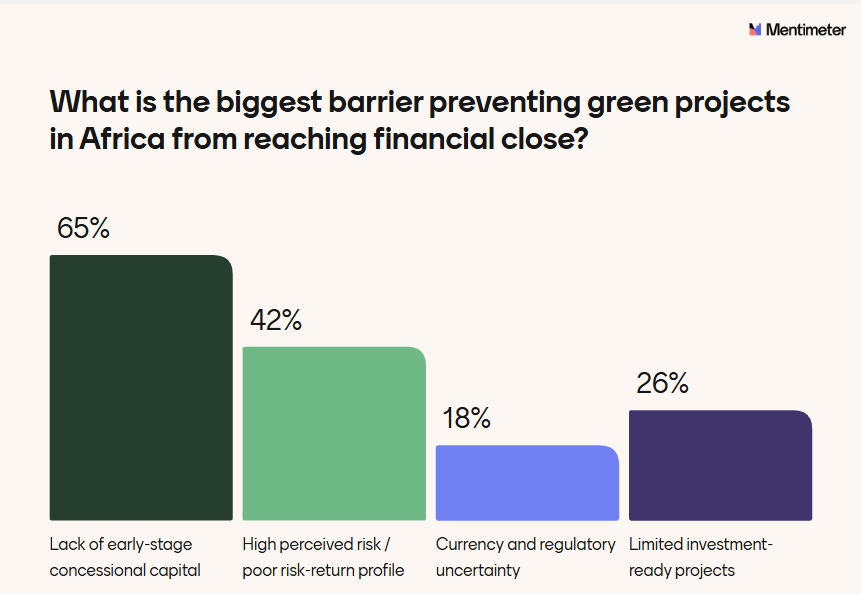
Question: What is the biggest barrier preventing green projects in Africa from reaching financial close?
Top Answer: Lack of early-stage concessional capital (most votes)
This reinforces the consensus that project preparation, first-loss capital, and early-stage equity remain the most urgent gaps. It also validates why donors, DFIs and blended finance facilities should direct future resources toward pipeline development, feasibility studies, and catalytic first-loss structures.
Steps Moving Forward
1. Expand Project Preparation and Development Facilities
Scaling prep facilities—similar to CFM’s model—will accelerate the number of investment-ready projects on the continent.
2. Design More De-Risking Instruments for Local Investors
Guarantees, subordinated tranches, and credit-enhancement vehicles are essential to mobilise African pension funds and insurers.
3. Build Adaptation Business Models Through Demonstration Deals
High-quality early adaptation projects can prove viability and attract replication capital.
4. Improve Market Confidence Through Data, Reporting and Track Record
InfraCredit emphasised that consistent monitoring and transparency help domestic investors understand new asset classes and ultimately take more risk over time.
5. Strengthen Public–Private Collaboration on Policy and Tariff Reform
Developers cannot shoulder the risk alone; regulatory enablement is essential for scaling both mitigation and adaptation pipelines.
“If we can prove to pension fund managers that this asset class is de-risked, that money will flow—and it’s exactly the kind of long-term local currency capital we need.”
— Rajeev Mahajan, Green Climate Fund
Interview
Agri carbon credit projects: “We don’t need brokers. We need projects with strong social and economic impacts.”

Nov

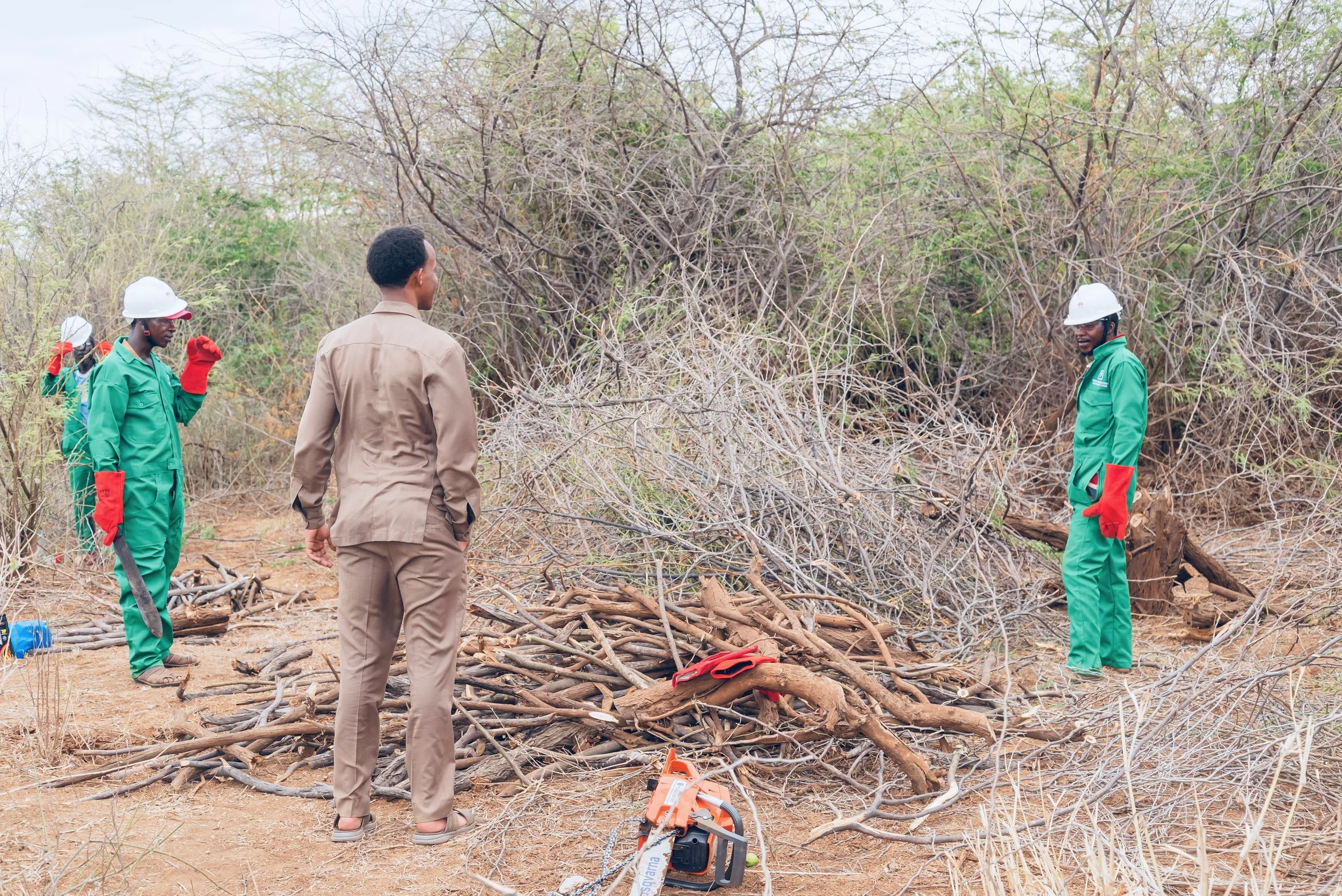
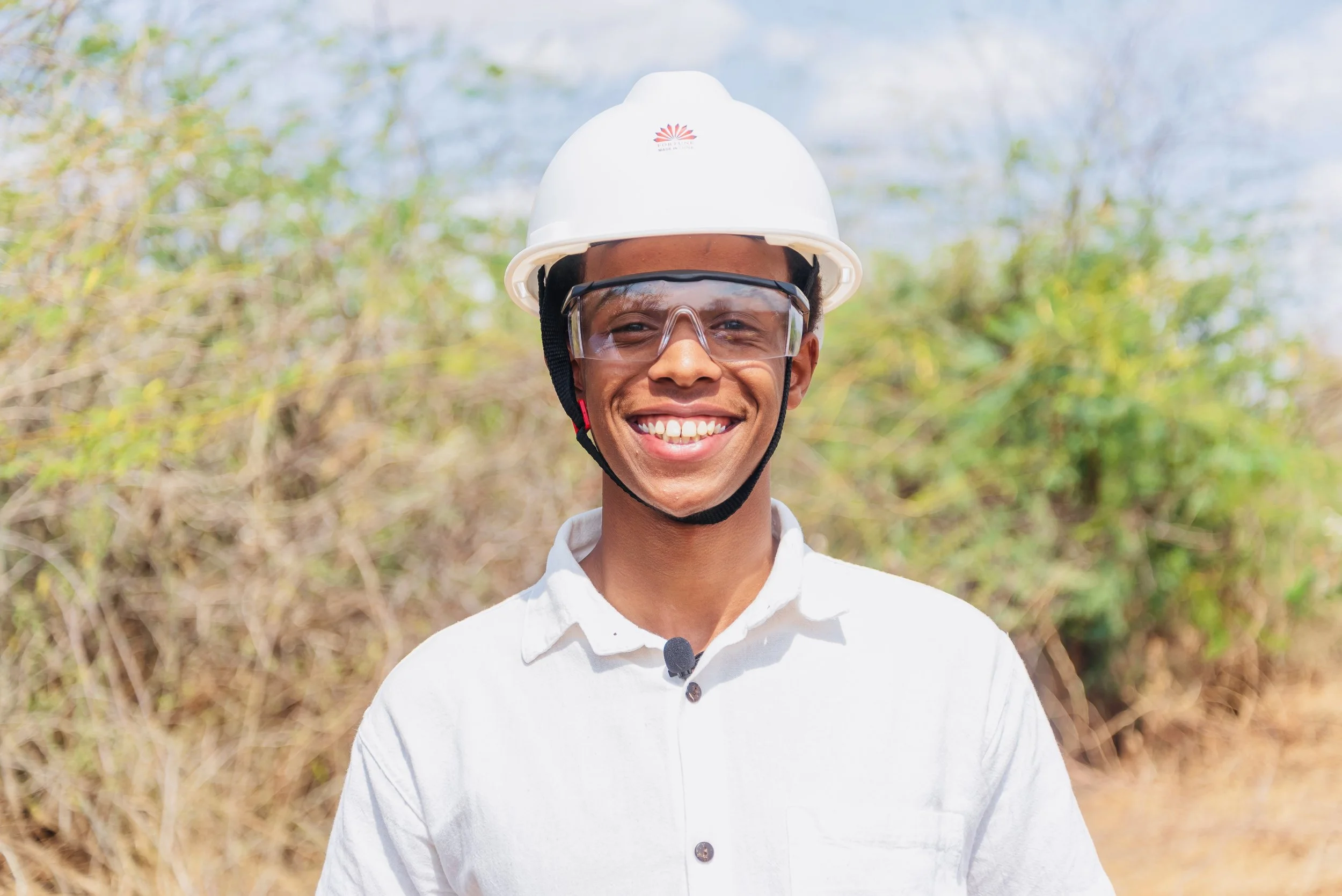
Exclusive interview with Abdilahi Nuh, Founder and CEO, Presto Innovations, Kenya. He was a speaker at the preconference day on the carbon project development process at the inaugural Carbon Markets Africa Summit in Johannesburg in October 2025.
Interview Summary:
Abdilahi Nuh describes his journey from early curiosity about environmental issues to becoming a leading carbon-removal project developer in Kenya. Growing up in a community where climate change was viewed as purely spiritual, he worked to build awareness, co-founding the Green Youth Union in Somalia to educate young people and elders about climate risks. His deeper immersion into carbon markets led to the creation of Presto Innovations, a climate-tech venture focused on carbon removal, regenerative land use and community-driven environmental restoration. The company’s flagship biochar project in Garissa County transforms invasive species into a tool for carbon sequestration while empowering smallholder farmers, women and youth.
Nuh highlights Africa’s strong potential in carbon markets due to its abundant land, biomass and ready communities, though challenges remain, including evolving methodologies, regulatory inconsistencies and the complexities of local engagement. He believes African countries like Kenya, Rwanda and South Africa are setting the pace with clear frameworks and community-centred policies. His vision is for high-integrity, community-led projects where revenues flow directly to local people. He stresses the essential role of youth and entrepreneurship in shaping fair and effective carbon markets. Nuh describes the Carbon Markets Africa Summit as a pivotal event that fosters collaboration, innovation and African leadership.
Thank you for joining us. Please can we start with some background on you and your organisation.
I am an engineered carbon removal project developer based in Nairobi, Kenya.
I’ve always had a naturally curious, charismatic way of exploring big global issues. That curiosity eventually pulled me deep into climate and environmental work a path that wasn’t obvious in the society I grew up in. Where I come from, many people believe that climate is entirely in the hands of God, which is true in a spiritual sense, but it also means people often aren’t aware of how human actions contribute to environmental change.
When I first started talking about climate and carbon removal, people would laugh or brush it off. But I kept learning taking courses, fellowships and leadership programmes and slowly watched the attitude shift. People around me began to understand, ask questions and to take the issue seriously. That transformation motivated me to take the knowledge back home.
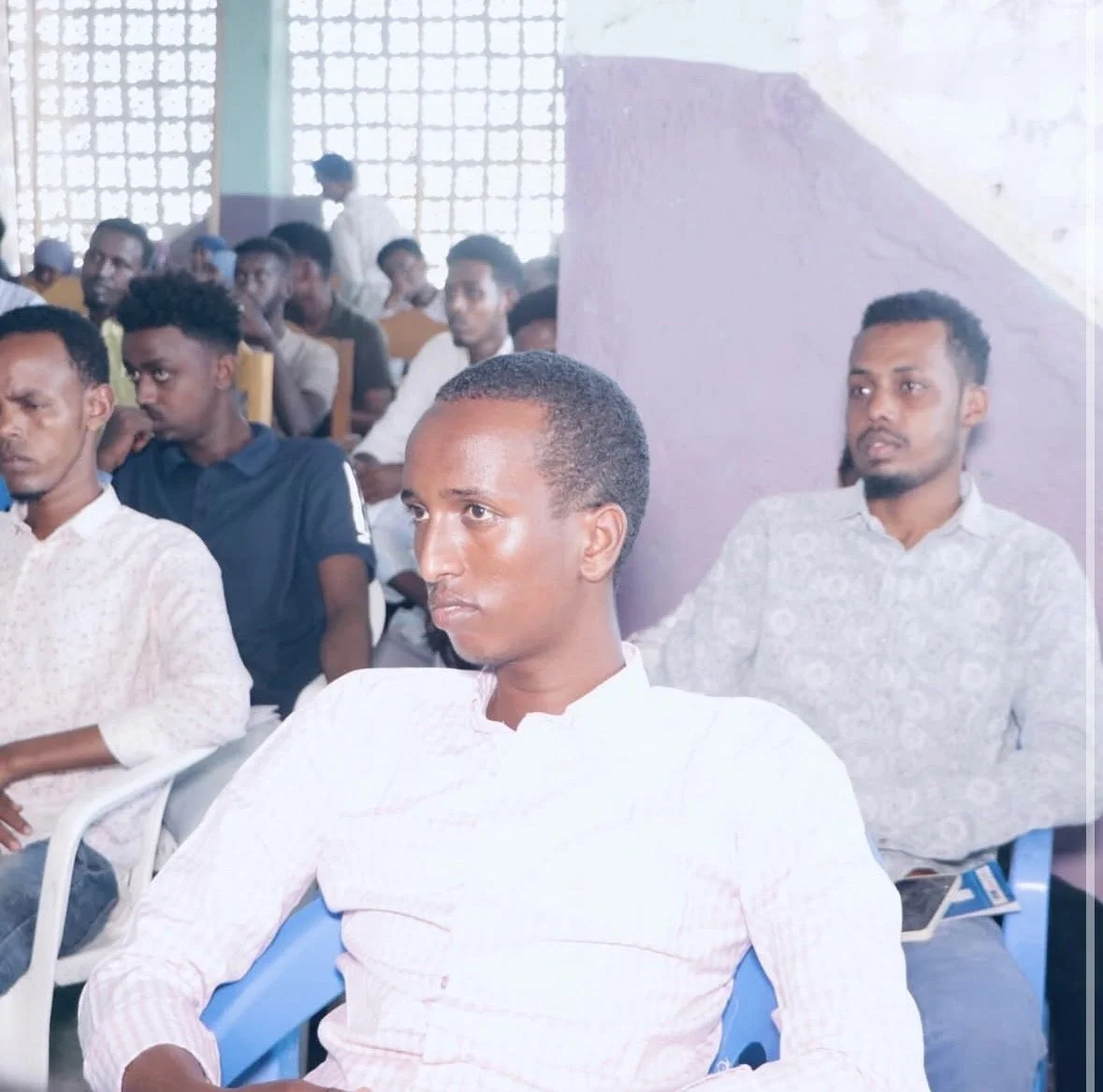
I co-founded Green Youth Union in Somalia, focusing on educating communities especially youth and elders about climate change, land degradation and the future risks facing the region. We partnered with universities like Plasma University in southern Somalia to run awareness programmes. Funding challenges eventually limited the organisation’s activities, but the impact on people’s awareness stayed with me.
Later, I came across the world of carbon markets. I immersed myself fully, studying different projects, methodologies, learning how projects are built, and engaging with developers across the continent. That journey eventually led me to start Presto Innovations, which is an African climate-tech venture working on carbon removal, regenerative land use and community-led environmental restoration.
Tell us more about Presto Innovations and the projects you are involved in.
Presto Innovations really is a climate tech venture focused on carbon sequestration or rather carbon dioxide removal, working with smallholder farmers. Our work is grounded in the belief that climate action must uplift people while restoring ecosystems.
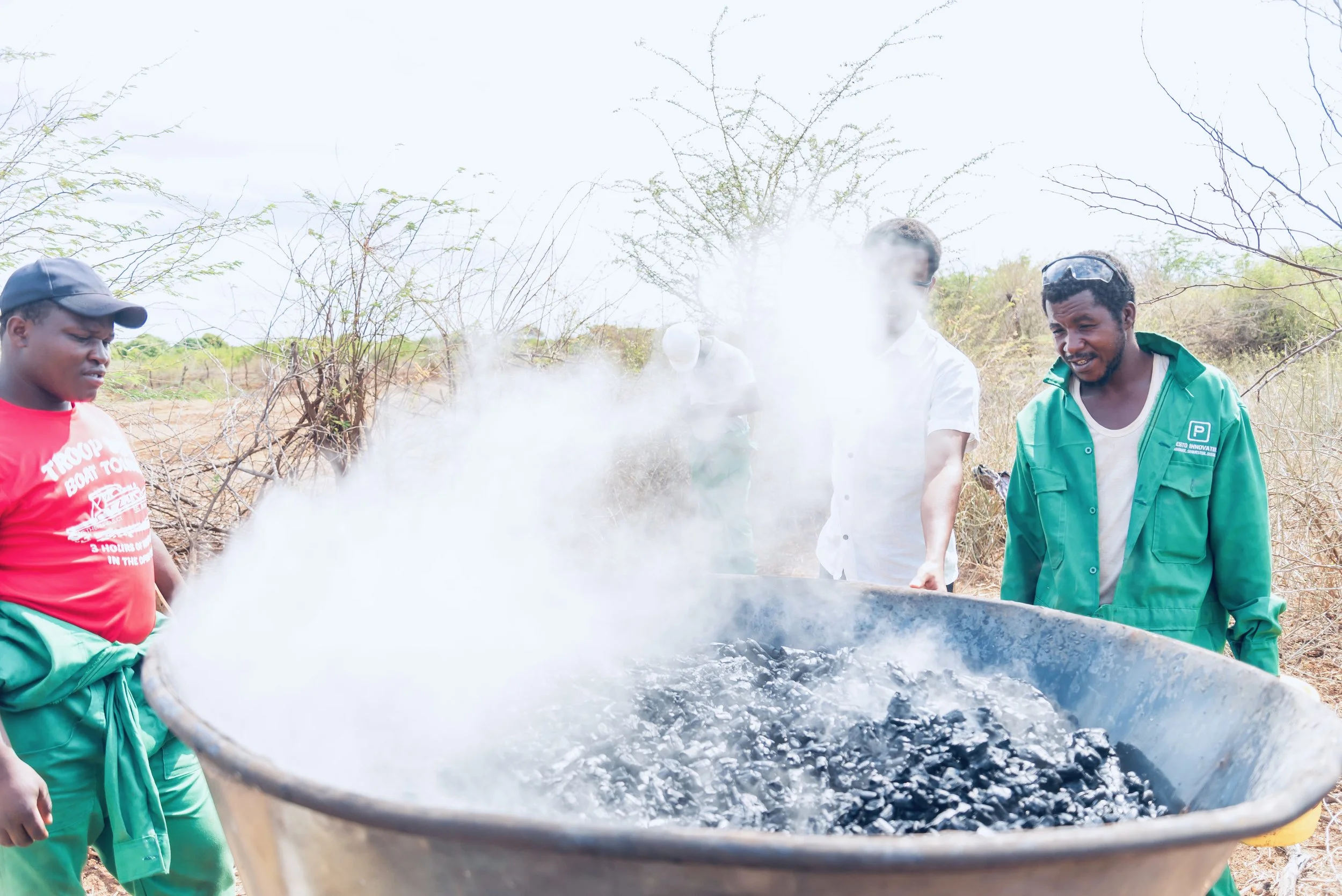
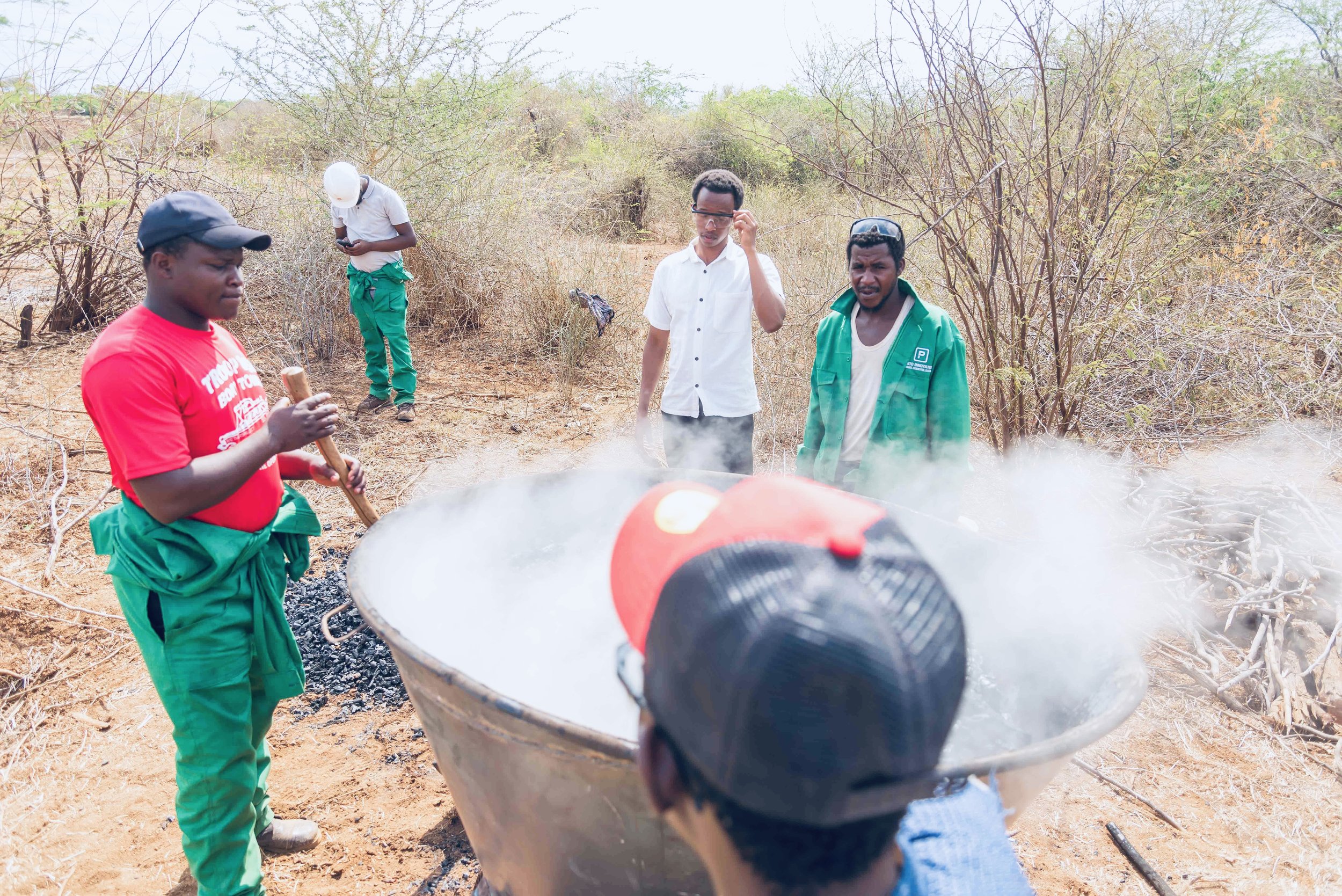
We’ve just completed our flagship project, which is a biochar carbon dioxide removal project using invasive species like Prosophis juliflora as our biomass North Eastern Kenya, Garissa County.
What we’re trying to do is put farmers at the forefront of the climate solution. As you all know, agriculture is one of the biggest emitters. Around 25% of global greenhouse gas emissions come from the agricultural sector. So our goal really is to empower smallholder farmers. It’s not just about carbon removal and carbon markets, but really trying to empower these farmers, the women, the youth, and put them at the forefront of the climate solution.
How important is the continent for the future of carbon markets?
Africa really is a frontier because we’ve got the land, we’ve got the biomass and abundant feedstock. Communities are really ready to participate. And I personally believe that carbon markets could unlock billions in climate adaptation and rural development.
You are working in a system that is constantly evolving and changing. What are the main challenges in your view?
There are a lot of challenges. Just to mention a few: there is a lot of uncertainty in methodologies, slow verification processes and inconsistent national regulations. Many early-stage project developers struggle with Registration and MRV costs. That’s on the cost side.
But with implementation on the ground what we have to consider is dealing with the county or the area location you’re doing the project in dealing with the national government, which has a lot of back and forth. Then lastly, dealing with the farmers. One thing we’ve realised is, it’s not easy to deal with farmers. So, it’s not good to come off as an authority trying to work with the farmers, but rather working with them and making the project a community-based project where they run the project, and you’re the one helping them run it.
How is Africa positioned in your view to take advantage of this burgeoning opportunity?
I would say Africa is positioned perfectly if we prioritise transparency and local ownership. We’ve got the natural assets, we’ve got the urgency, but what we need is capacity building and strong policies to really guide carbon-removal project developers and ease the process of making Africa a frontier in the carbon market space, considering that the Global South is very impacted by climate change.
Which countries on the continent are doing the right things to prepare for carbon markets?
Just to mention a few, my country Kenya, Rwanda and South Africa are doing fantastic work and are leading in carbon markets. They’ve built regulations to guide project developers and putting emphasis on communities and benefit sharing. They’re developing Article 6 frameworks, national registries and clear carbon market guidance. In short, they are like a hub for all African countries kind of follow what these regulations are doing and to really guide private project developers.
What is your vision for this sector? And particularly regarding the role of youth and entrepreneurship.
My vision for this sector is making carbon credit projects locally led by the communities and having high integrity carbon credits. What’s really important in the sale of carbon credits, rather climate finance, is that these funds go directly to the communities. We don’t need brokers; we don’t need intermediaries to help facilitate this. We need projects that not only have carbon credit sales or are beneficial to the climate, we need projects that have strong social impact and economic impact for the areas where the projects are being done.
It’s incredibly important to be a young person working in this space, and equally important that we bring even more young people into the carbon markets space. In the broader climate conversation, youth are the generation that will live longest with the consequences of today’s decisions especially those made on international platforms and at major climate conferences.
That’s why our involvement isn’t optional; it’s essential. Young people need to understand how carbon markets function, how policies are shaped, and how these mechanisms influence climate action on the ground. The more informed and engaged we are, the better positioned we’ll be to advocate for fair, transparent and effective systems. Ultimately, youth participation helps ensure that carbon markets evolve in a way that genuinely supports sustainable development and safeguards our future.
And when we talk about youth, we also have to talk about entrepreneurship. Many young people aren’t waiting for opportunities they’re creating them. In my case, I’m building a climate-tech venture focused on carbon dioxide removal with smallholder farmers. Right now, we’re producing biochar from invasive species such as the problematic Prosopis juliflora, transforming something environmentally harmful into something valuable for the climate, for people and for the soil.
This is just one example of how young innovators can turn local challenges into climate solutions. With the right support, youth-led enterprises can play a major role in strengthening carbon markets and driving real, tangible impact on the ground.
You were a speaker at the inaugural Carbon Markets Africa Summit. What was your experience at the event and what was the engagement like?
It was a fantastic experience and powerful. I got to meet a lot of people where our conversations were honest and practical, not just theory, I connected with digital MRV potential partners and investors that we will be working with to do our projects. I met international organisations who are very keen and interested to be a part of the carbon market space where they see carbon markets as a development tool, not just a financial mechanism.
As you may know, now the world is moving away from donor-funded projects. Rather that they need and what they’re looking for is projects that can sustain themselves.
How important is such an event for the continent?
It’s extremely important truly critical for the continent. The Carbon Markets Africa Summit came at a pivotal moment for the carbon market space. While many people see carbon markets as a new or emerging sector, the reality is that the market has existed for years; what’s changing now is Africa’s level of engagement, ownership, and visibility within it.
Events like this are essential because they bring policymakers, financiers, technical experts, and project developers into the same room. That’s where real momentum begins when decision-makers and practitioners can speak directly to each other, align their priorities, and identify practical pathways to unlock Africa’s potential.
For a continent with enormous natural assets, millions of smallholder farmers, and rapidly growing climate-tech innovation, these conversations help remove barriers, build trust, and accelerate investment. The summit creates a platform for African voices to shape the rules, the standards, and the future direction of carbon markets globally. And most importantly, it ensures that the benefits of these markets actually reach African communities on the ground.
Nov
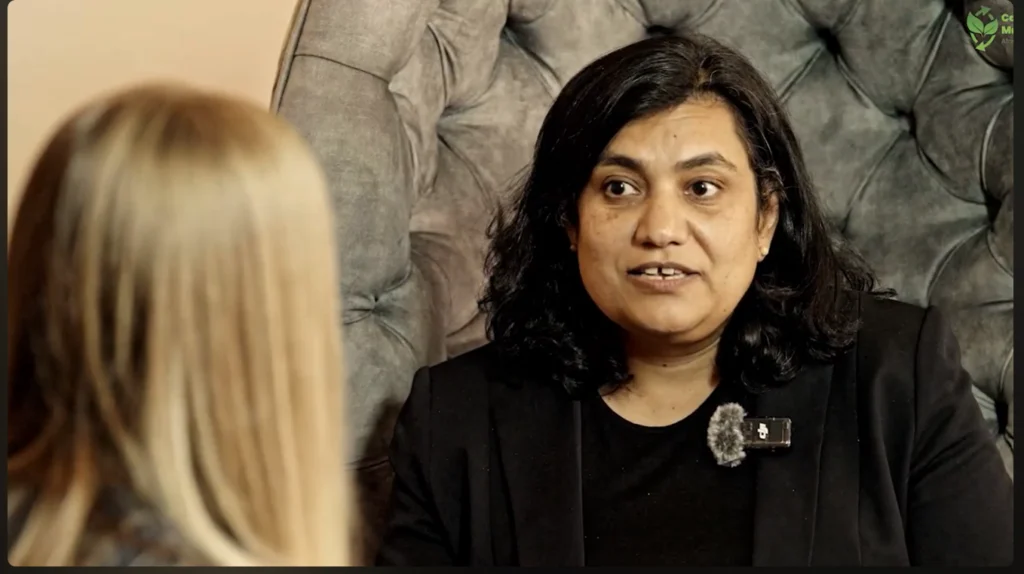
At CMAS 2025, conversations around climate finance, inclusion, and long-term resilience took on new urgency — and FSD Africa has been leading the charge in shaping solutions that address all three. In an exclusive onsite interview, Reshma Shah unpacked the organisation’s vision for mobilising climate and green finance that not only accelerates sustainable development, but also ensures that communities across Africa benefit equitably.
Reshma highlighted the importance of innovative financial instruments, partnership-driven approaches, and market-building strategies that can create real impact on the ground. Her insights underscore how platforms like CMAS 2025 are helping align capital with climate ambition — driving a greener, more inclusive future for the continent.
Interview
AUDA-NEPAD at CMAS 2025: Ravi Raichoora on Turning Policy into Action for Africa’s Green Transition
Nov
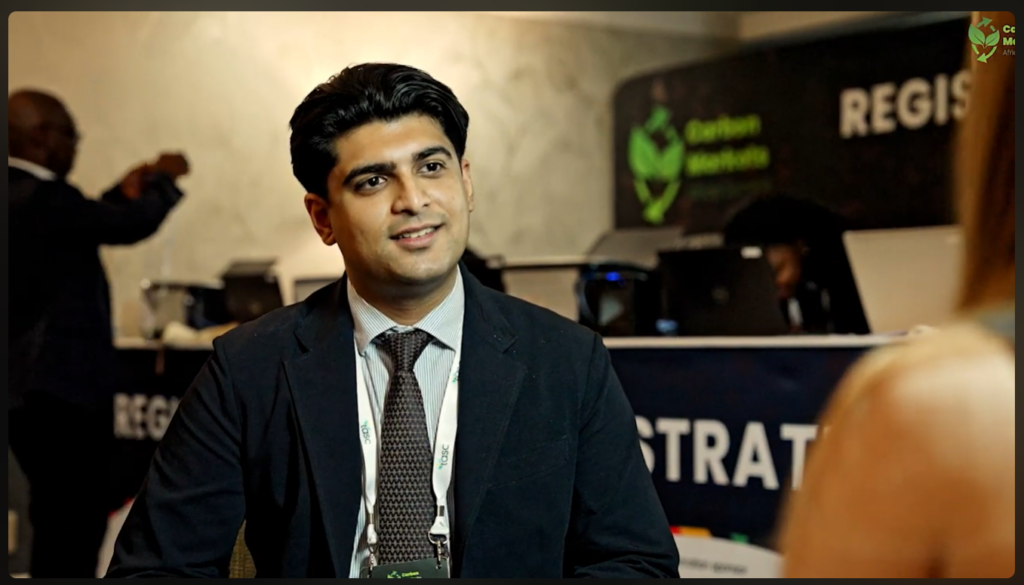
At CMAS 2025, the conversation around enabling real, scalable climate action across Africa took centre stage — and AUDA-NEPAD has been at the heart of that mission. In an exclusive onsite interview, Ravi Raichoora shed light on how the organisation is working to close the critical gaps between policy, planning, and investment to unlock a more resilient and sustainable future for the continent.
Ravi’s insights highlight the importance of coordinated implementation, stronger institutional frameworks, and collaborative partnerships that can turn high-level ambitions into on-the-ground impact. His perspective offers a clear view of the systems Africa needs to accelerate its green transition — and how platforms like CMAS 2025 are helping drive that momentum forward.

Nov
At CMAS 2025, the momentum around Africa’s climate finance and carbon markets was unmistakable — and few voices captured this energy as clearly as Francesca Cerchia, Global Head of Climate Solution, Industries & Environment at SGS.
In an exclusive onsite interview, Francesca unpacked the rapid evolution of Africa’s carbon markets, the essential role of collaboration, and how innovation is reshaping pathways to sustainability across the continent. With a strong focus on building trust, improving transparency, and boosting investor confidence, she highlighted how CMAS 2025 has become a catalyst for meaningful progress and stronger climate outcomes.
This conversation offers valuable insight into the opportunities ahead for Africa’s green transition — and the systems needed to make them thrive.
Uncategorized
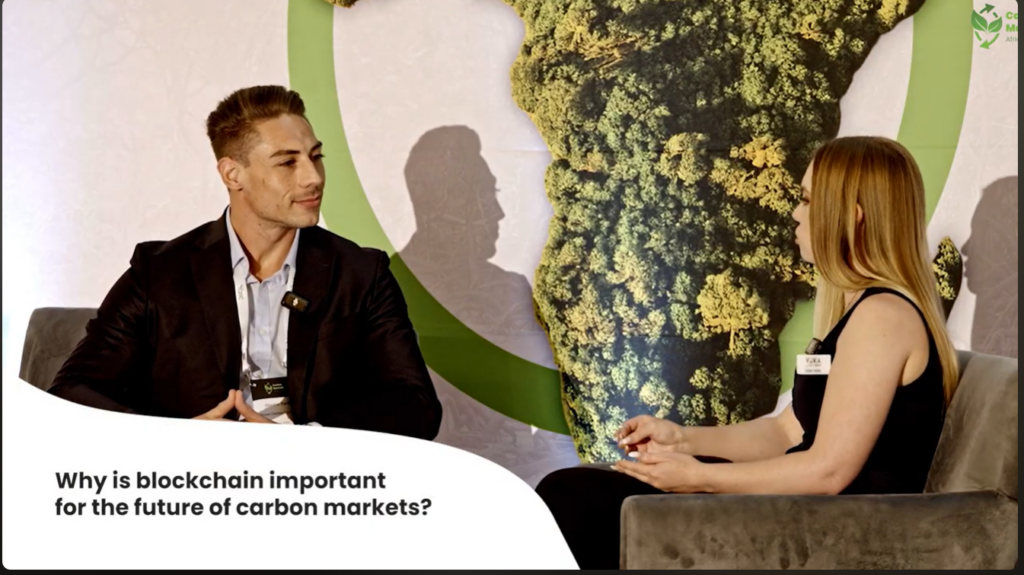
“Blockchain can transform how Africa measures, trades, and benefits from carbon.” — Gevano Dantu, Founder & CEO of Africa Carbon Coin
Nov
In this exclusive onsite interview at CMAS 2025, we sit down with Gevano Dantu to explore how Africa Carbon Coin is pioneering digital innovation for carbon markets, using blockchain technology to build transparency, traceability, and trust across the continent’s fast-growing carbon economy.