
WEBINAR WRAP-UP — Structuring for scale: How blended finance can unlock bankable green projects in Africa

Watch this webinar on-demand now! Click here

Executive Summary

This webinar, co-hosted by the Green Economy Hub (VUCA Group) and Convergence Blended Finance, brought together leaders from the Green Climate Fund (GCF), Development Bank of Southern Africa (DBSA), InfraCredit Nigeria, and Climate Fund Managers (CFM) to unpack the current landscape of blended finance in Africa and highlight solutions that accelerate green and bankable project development.

Speakers emphasized that blended finance is a strategic, transitional tool designed to correct market failures, crowd in commercial capital, and build sustainable markets rather than replace private investment. Africa continues to represent half of global blended finance transactions, with strong activity across agriculture, financial services, energy, and increasingly climate-related infrastructure.

“Blended finance is transitionary in nature. It is meant to catalyse markets—not replace commercial capital.”
Rajeev Mahajan, Green Climate Fund

Key Takeaways

1. Blended Finance Must Be Purpose-Built to Solve Specific Risks

Experts reinforced that concessionality should never be generic. Instruments—grants, guarantees, subordinated debt, TA, or viability gap funding—must be matched precisely to the underlying barrier, whether construction risk, creditworthiness of offtakers, project preparation gaps, or currency volatility.

2. Early-Stage Concessional Capital Is the Most Critical Missing Ingredient

Across all institutions, the biggest bottleneck remains the insufficient supply of early-stage, risk-tolerant capital required to turn concepts into bankable projects. CFM and DBSA highlighted how their project preparation and subordinated funding models address this structural gap.

3. Domestic Capital Mobilisation Is the Next Frontier

Nigeria’s InfraCredit demonstrated the power of guarantees to unlock pension and insurance capital for new asset classes such as distributed renewable energy. GCF stressed that local pension funds represent one of Africa’s strongest untapped pools of climate finance, especially because they operate in local currency.

4. Adaptation Finance Remains Hard — But Innovation Is Emerging

Projects in water, resilience infrastructure and agriculture still struggle due to unclear revenue models and public-sector complexities. CFM and GCF illustrated how demonstration projects, diversified portfolios, and tailored risk-sharing are starting to break through these barriers.

5. Market Creation Requires Partnership, Patience and Pipeline

Whether through DBSA’s Climate Finance Facility, CFM’s whole-life-cycle fund model, or GCF’s flexible, co-creation approach, panelists reinforced that the future lies in building replicable transaction structures that can scale across the continent.

Insights From the Live Poll

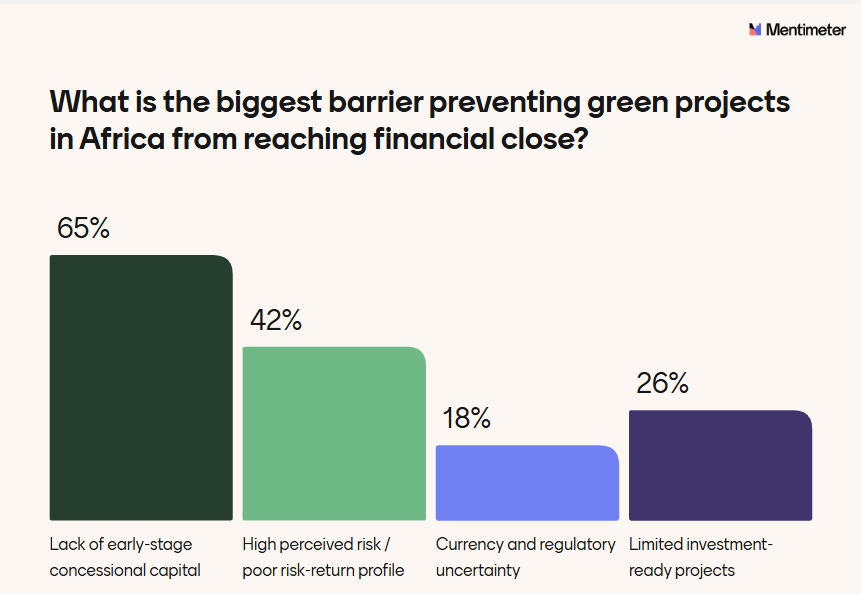
Question: What is the biggest barrier preventing green projects in Africa from reaching financial close?
Top Answer: Lack of early-stage concessional capital (most votes)

This reinforces the consensus that project preparation, first-loss capital, and early-stage equity remain the most urgent gaps. It also validates why donors, DFIs and blended finance facilities should direct future resources toward pipeline development, feasibility studies, and catalytic first-loss structures.

Steps Moving Forward

1. Expand Project Preparation and Development Facilities

Scaling prep facilities—similar to CFM’s model—will accelerate the number of investment-ready projects on the continent.

2. Design More De-Risking Instruments for Local Investors

Guarantees, subordinated tranches, and credit-enhancement vehicles are essential to mobilise African pension funds and insurers.

3. Build Adaptation Business Models Through Demonstration Deals

High-quality early adaptation projects can prove viability and attract replication capital.

4. Improve Market Confidence Through Data, Reporting and Track Record

InfraCredit emphasised that consistent monitoring and transparency help domestic investors understand new asset classes and ultimately take more risk over time.

5. Strengthen Public–Private Collaboration on Policy and Tariff Reform

Developers cannot shoulder the risk alone; regulatory enablement is essential for scaling both mitigation and adaptation pipelines.

“If we can prove to pension fund managers that this asset class is de-risked, that money will flow—and it’s exactly the kind of long-term local currency capital we need.”
Rajeev Mahajan, Green Climate Fund
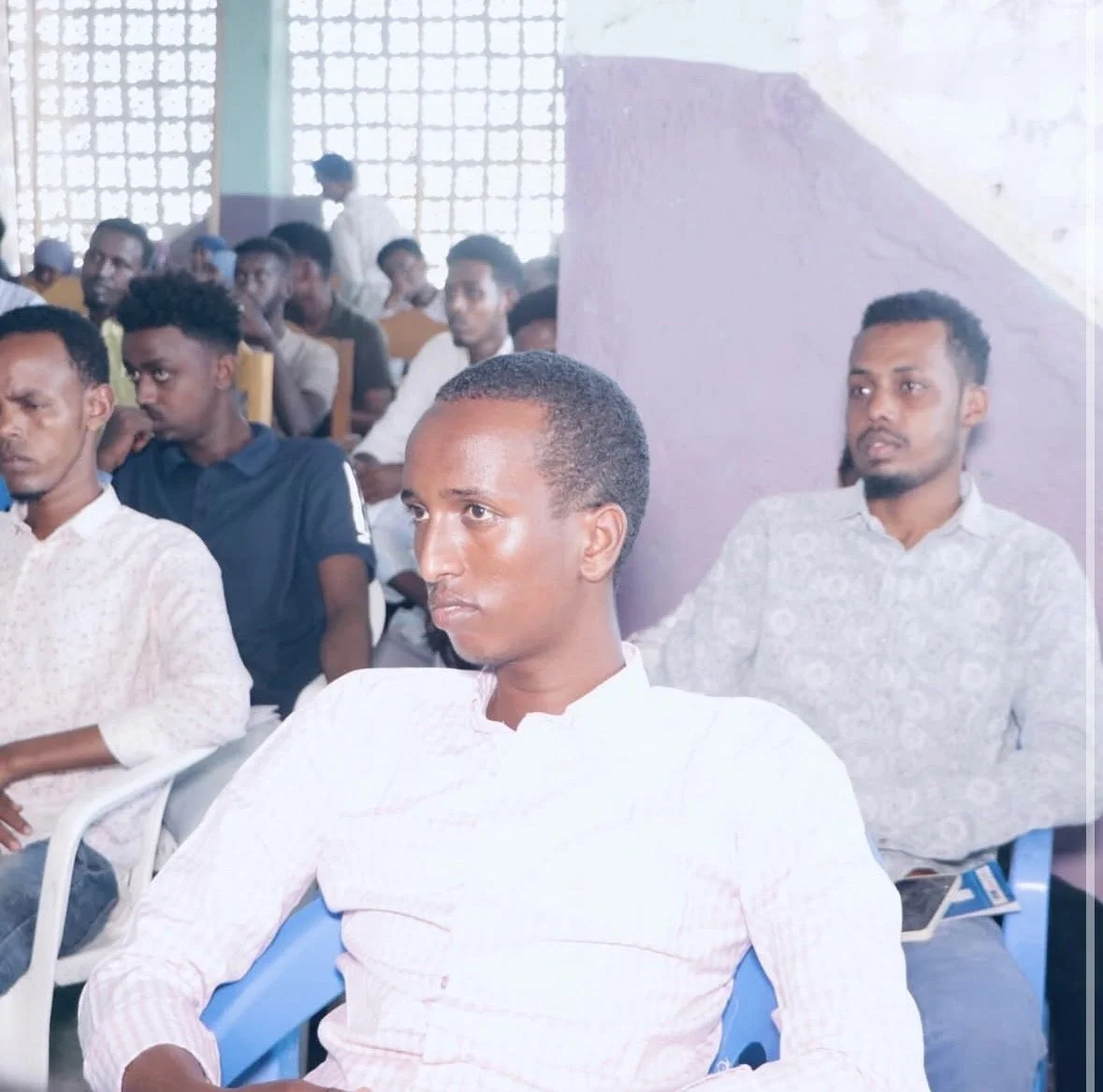
Agri carbon credit projects: “We don’t need brokers. We need projects with strong social and economic impacts.”

Exclusive interview with Abdilahi Nuh, Founder and CEO, Presto Innovations, Kenya. He was a speaker at the preconference day on the carbon project development process at the inaugural Carbon Markets Africa Summit in Johannesburg in October 2025. 

Interview Summary: 

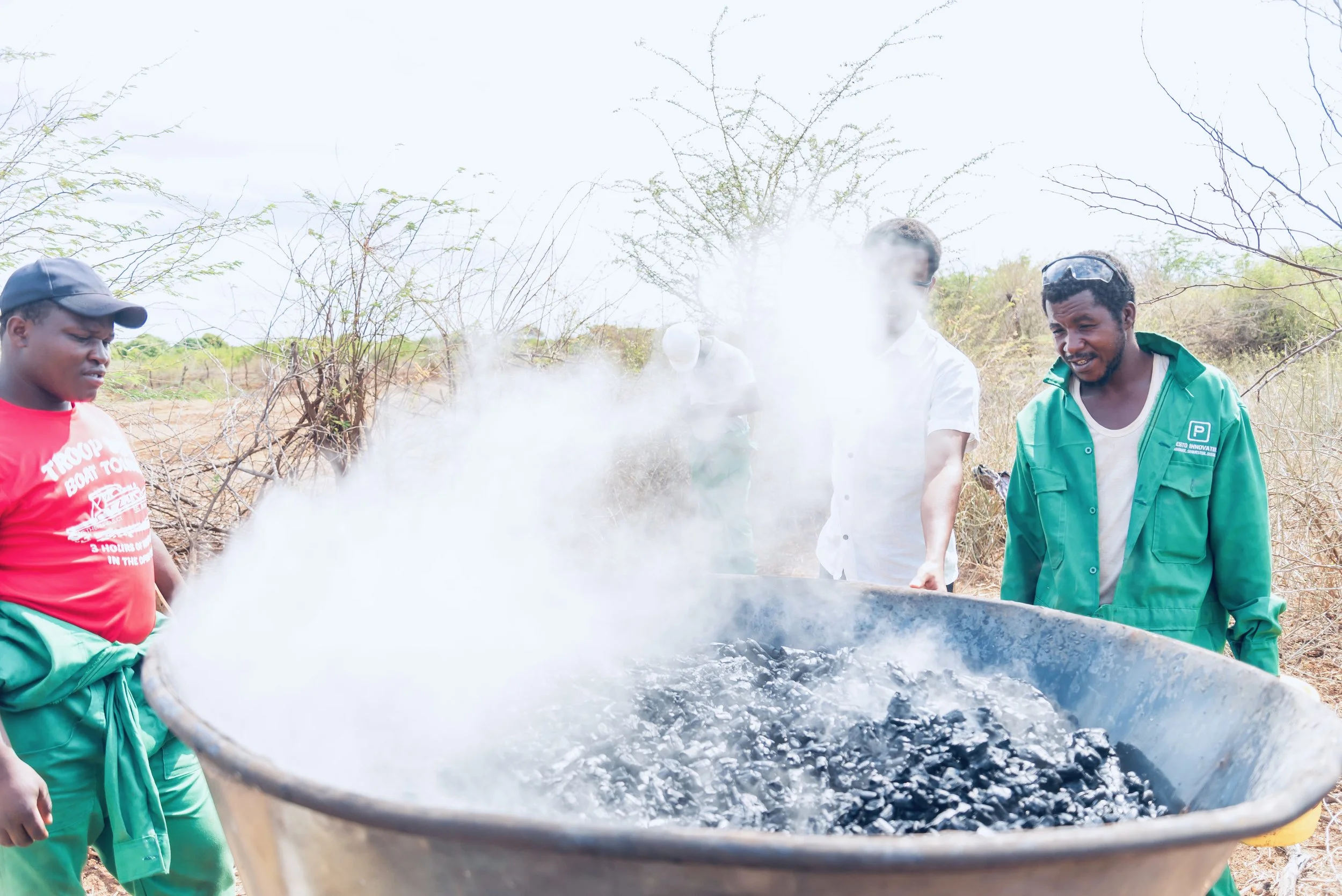
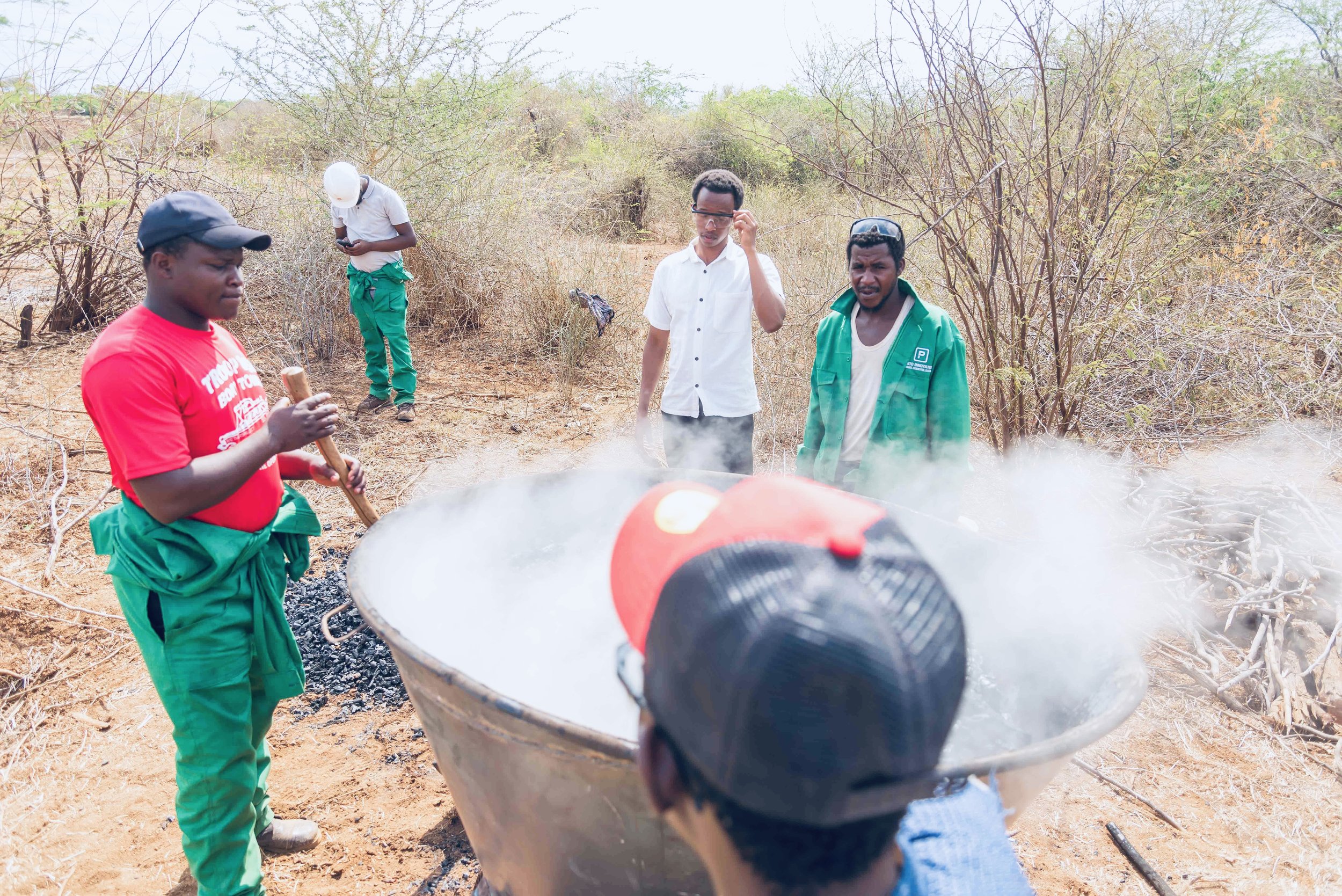
Abdilahi Nuh describes his journey from early curiosity about environmental issues to becoming a leading carbon-removal project developer in Kenya. Growing up in a community where climate change was viewed as purely spiritual, he worked to build awareness, co-founding the Green Youth Union in Somalia to educate young people and elders about climate risks. His deeper immersion into carbon markets led to the creation of Presto Innovations, a climate-tech venture focused on carbon removal, regenerative land use and community-driven environmental restoration. The company’s flagship biochar project in Garissa County transforms invasive species into a tool for carbon sequestration while empowering smallholder farmers, women and youth.

Nuh highlights Africa’s strong potential in carbon markets due to its abundant land, biomass and ready communities, though challenges remain, including evolving methodologies, regulatory inconsistencies and the complexities of local engagement. He believes African countries like Kenya, Rwanda and South Africa are setting the pace with clear frameworks and community-centred policies. His vision is for high-integrity, community-led projects where revenues flow directly to local people. He stresses the essential role of youth and entrepreneurship in shaping fair and effective carbon markets. Nuh describes the Carbon Markets Africa Summit as a pivotal event that fosters collaboration, innovation and African leadership.


Thank you for joining us. Please can we start with some background on you and your organisation.
I am an engineered carbon removal project developer based in Nairobi, Kenya. 

I’ve always had a naturally curious, charismatic way of exploring big global issues. That curiosity eventually pulled me deep into climate and environmental work a path that wasn’t obvious in the society I grew up in. Where I come from, many people believe that climate is entirely in the hands of God, which is true in a spiritual sense, but it also means people often aren’t aware of how human actions contribute to environmental change. 

When I first started talking about climate and carbon removal, people would laugh or brush it off. But I kept learning taking courses, fellowships and leadership programmes and slowly watched the attitude shift. People around me began to understand, ask questions and to take the issue seriously. That transformation motivated me to take the knowledge back home. 

I co-founded Green Youth Union in Somalia, focusing on educating communities especially youth and elders about climate change, land degradation and the future risks facing the region. We partnered with universities like Plasma University in southern Somalia to run awareness programmes. Funding challenges eventually limited the organisation’s activities, but the impact on people’s awareness stayed with me. 

Later, I came across the world of carbon markets. I immersed myself fully, studying different projects, methodologies, learning how projects are built, and engaging with developers across the continent. That journey eventually led me to start Presto Innovations, which is an African climate-tech venture working on carbon removal, regenerative land use and community-led environmental restoration.  

Tell us more about Presto Innovations and the projects you are involved in.
Presto Innovations really is a climate tech venture focused on carbon sequestration or rather carbon dioxide removal, working with smallholder farmers. Our work is grounded in the belief that climate action must uplift people while restoring ecosystems. 

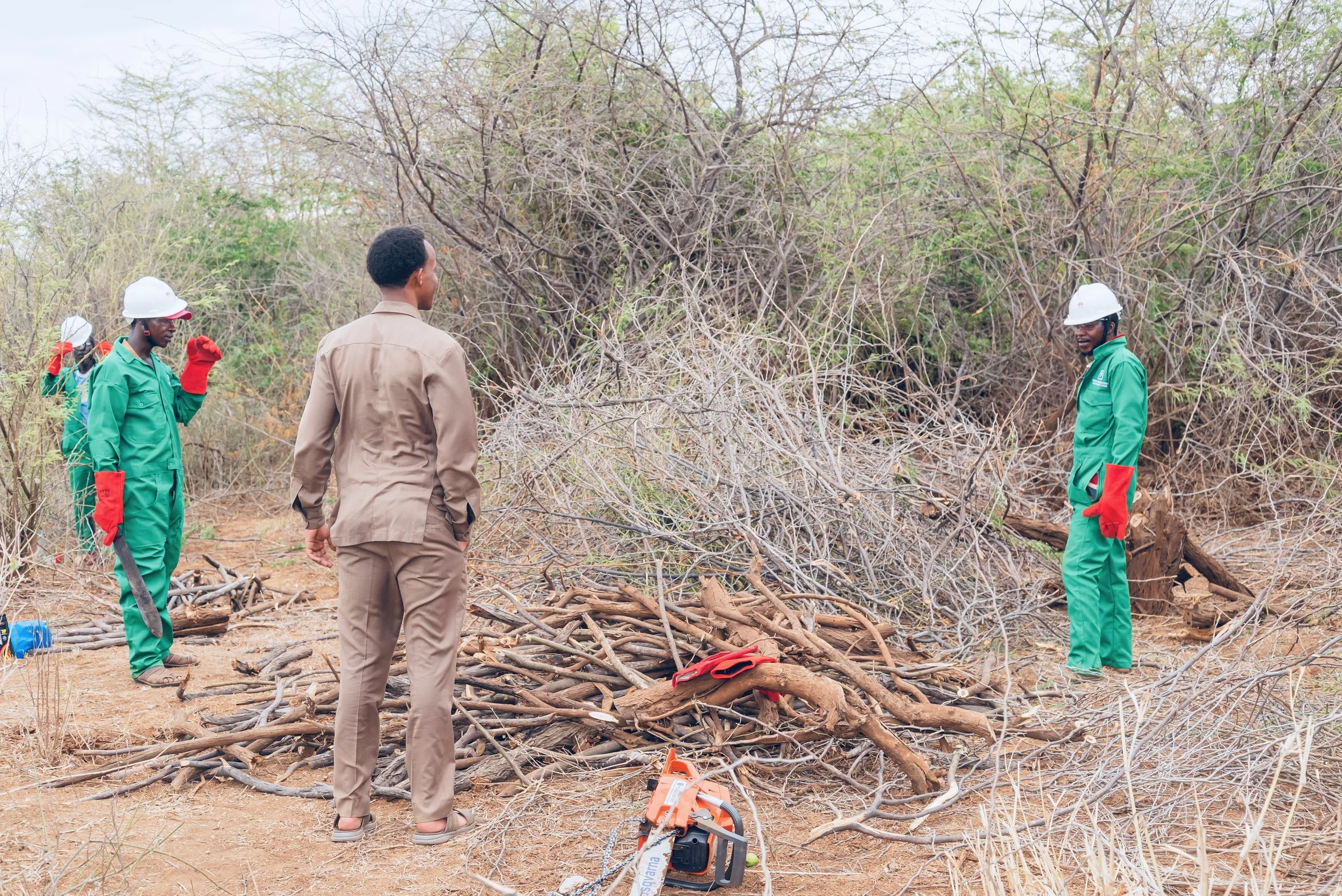
We’ve just completed our flagship project, which is a biochar carbon dioxide removal project using invasive species like Prosophis juliflora as our biomass North Eastern Kenya, Garissa County. 

What we’re trying to do is put farmers at the forefront of the climate solution. As you all know, agriculture is one of the biggest emitters. Around 25% of global greenhouse gas emissions come from the agricultural sector. So our goal really is to empower smallholder farmers. It’s not just about carbon removal and carbon markets, but really trying to empower these farmers, the women, the youth, and put them at the forefront of the climate solution. 

How important is the continent for the future of carbon markets? 

Africa really is a frontier because we’ve got the land, we’ve got the biomass and abundant feedstock. Communities are really ready to participate. And I personally believe that carbon markets could unlock billions in climate adaptation and rural development. 

You are working in a system that is constantly evolving and changing. What are the main challenges in your view?
There are a lot of challenges. Just to mention a few: there is a lot of uncertainty in methodologies, slow verification processes and inconsistent national regulations. Many early-stage project developers struggle with Registration and MRV costs. That’s on the cost side.  

But with implementation on the ground what we have to consider is dealing with the county or the area location you’re doing the project in dealing with the national government, which has a lot of back and forth. Then lastly, dealing with the farmers. One thing we’ve realised is, it’s not easy to deal with farmers. So, it’s not good to come off as an authority trying to work with the farmers, but rather working with them and making the project a community-based project where they run the project, and you’re the one helping them run it.

How is Africa positioned in your view to take advantage of this burgeoning opportunity?
I would say Africa is positioned perfectly if we prioritise transparency and local ownership. We’ve got the natural assets, we’ve got the urgency, but what we need is capacity building and strong policies to really guide carbon-removal project developers and ease the process of making Africa a frontier in the carbon market space, considering that the Global South is very impacted by climate change.

Which countries on the continent are doing the right things to prepare for carbon markets?
Just to mention a few, my country Kenya, Rwanda and South Africa are doing fantastic work and are leading in carbon markets. They’ve built regulations to guide project developers and putting emphasis on communities and benefit sharing. They’re developing Article 6 frameworks, national registries and clear carbon market guidance. In short, they are like a hub for all African countries kind of follow what these regulations are doing and to really guide private project developers. 

What is your vision for this sector? And particularly regarding the role of youth and entrepreneurship. 

My vision for this sector is making carbon credit projects locally led by the communities and having high integrity carbon credits. What’s really important in the sale of carbon credits, rather climate finance, is that these funds go directly to the communities. We don’t need brokers; we don’t need intermediaries to help facilitate this. We need projects that not only have carbon credit sales or are beneficial to the climate, we need projects that have strong social impact and economic impact for the areas where the projects are being done. 

It’s incredibly important to be a young person working in this space, and equally important that we bring even more young people into the carbon markets space. In the broader climate conversation, youth are the generation that will live longest with the consequences of today’s decisions especially those made on international platforms and at major climate conferences. 

That’s why our involvement isn’t optional; it’s essential. Young people need to understand how carbon markets function, how policies are shaped, and how these mechanisms influence climate action on the ground. The more informed and engaged we are, the better positioned we’ll be to advocate for fair, transparent and effective systems. Ultimately, youth participation helps ensure that carbon markets evolve in a way that genuinely supports sustainable development and safeguards our future. 

And when we talk about youth, we also have to talk about entrepreneurship. Many young people aren’t waiting for opportunities they’re creating them. In my case, I’m building a climate-tech venture focused on carbon dioxide removal with smallholder farmers. Right now, we’re producing biochar from invasive species such as the problematic Prosopis juliflora, transforming something environmentally harmful into something valuable for the climate, for people and for the soil. 

This is just one example of how young innovators can turn local challenges into climate solutions. With the right support, youth-led enterprises can play a major role in strengthening carbon markets and driving real, tangible impact on the ground. 

You were a speaker at the inaugural Carbon Markets Africa Summit. What was your experience at the event and what was the engagement like?
It was a fantastic experience and powerful. I got to meet a lot of people where our conversations were honest and practical, not just theory, I connected with digital MRV potential partners and investors that we will be working with to do our projects. I met international organisations who are very keen and interested to be a part of the carbon market space where they see carbon markets as a development tool, not just a financial mechanism.

As you may know, now the world is moving away from donor-funded projects. Rather that they need and what they’re looking for is projects that can sustain themselves.

How important is such an event for the continent?
It’s extremely important truly critical for the continent. The Carbon Markets Africa Summit came at a pivotal moment for the carbon market space. While many people see carbon markets as a new or emerging sector, the reality is that the market has existed for years; what’s changing now is Africa’s level of engagement, ownership, and visibility within it. 

Events like this are essential because they bring policymakers, financiers, technical experts, and project developers into the same room. That’s where real momentum begins when decision-makers and practitioners can speak directly to each other, align their priorities, and identify practical pathways to unlock Africa’s potential. 

For a continent with enormous natural assets, millions of smallholder farmers, and rapidly growing climate-tech innovation, these conversations help remove barriers, build trust, and accelerate investment. The summit creates a platform for African voices to shape the rules, the standards, and the future direction of carbon markets globally. And most importantly, it ensures that the benefits of these markets actually reach African communities on the ground. 

FSD Africa at CMAS 2025: Reshma Shah on Financing a Greener, more inclusive future

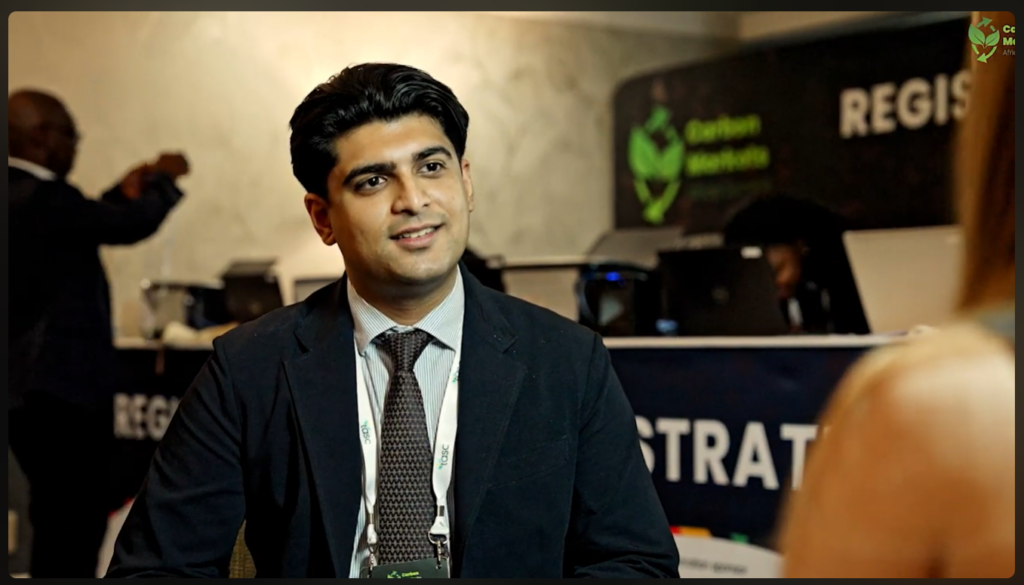
At CMAS 2025, conversations around climate finance, inclusion, and long-term resilience took on new urgency — and FSD Africa has been leading the charge in shaping solutions that address all three. In an exclusive onsite interview, Reshma Shah unpacked the organisation’s vision for mobilising climate and green finance that not only accelerates sustainable development, but also ensures that communities across Africa benefit equitably.

Reshma highlighted the importance of innovative financial instruments, partnership-driven approaches, and market-building strategies that can create real impact on the ground. Her insights underscore how platforms like CMAS 2025 are helping align capital with climate ambition — driving a greener, more inclusive future for the continent.

AUDA-NEPAD at CMAS 2025: Ravi Raichoora on Turning Policy into Action for Africa’s Green Transition

At CMAS 2025, the conversation around enabling real, scalable climate action across Africa took centre stage — and AUDA-NEPAD has been at the heart of that mission. In an exclusive onsite interview, Ravi Raichoora shed light on how the organisation is working to close the critical gaps between policy, planning, and investment to unlock a more resilient and sustainable future for the continent.

Ravi’s insights highlight the importance of coordinated implementation, stronger institutional frameworks, and collaborative partnerships that can turn high-level ambitions into on-the-ground impact. His perspective offers a clear view of the systems Africa needs to accelerate its green transition — and how platforms like CMAS 2025 are helping drive that momentum forward.

SGS at CMAS 2025: A Conversation with Francesca Cerchia on Africa’s Carbon Market Future

At CMAS 2025, the momentum around Africa’s climate finance and carbon markets was unmistakable — and few voices captured this energy as clearly as Francesca Cerchia, Global Head of Climate Solution, Industries & Environment at SGS.

In an exclusive onsite interview, Francesca unpacked the rapid evolution of Africa’s carbon markets, the essential role of collaboration, and how innovation is reshaping pathways to sustainability across the continent. With a strong focus on building trust, improving transparency, and boosting investor confidence, she highlighted how CMAS 2025 has become a catalyst for meaningful progress and stronger climate outcomes.

This conversation offers valuable insight into the opportunities ahead for Africa’s green transition — and the systems needed to make them thrive.

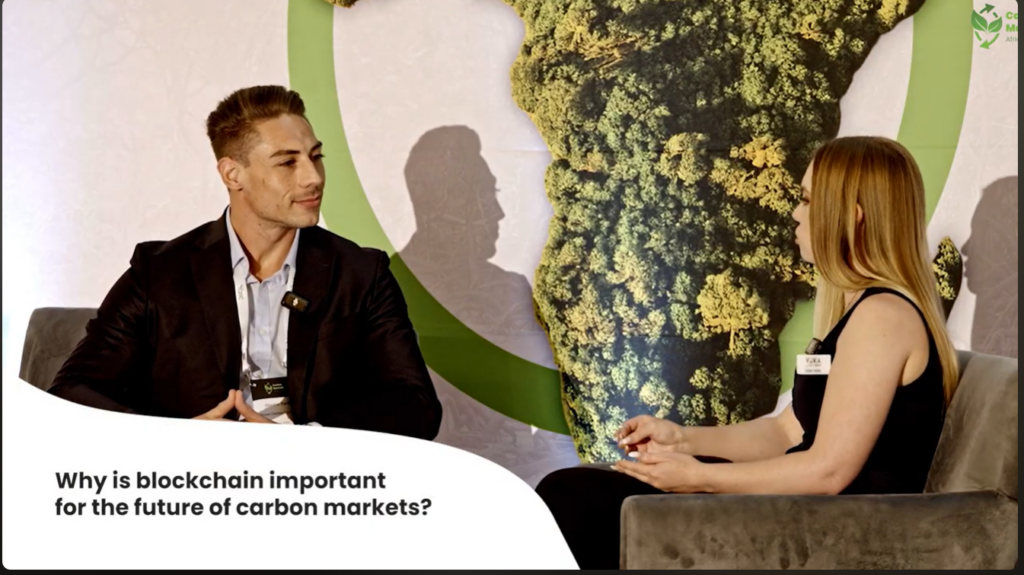
“Blockchain can transform how Africa measures, trades, and benefits from carbon.” — Gevano Dantu, Founder & CEO of Africa Carbon Coin

In this exclusive onsite interview at CMAS 2025, we sit down with Gevano Dantu to explore how Africa Carbon Coin is pioneering digital innovation for carbon markets, using blockchain technology to build transparency, traceability, and trust across the continent’s fast-growing carbon economy.

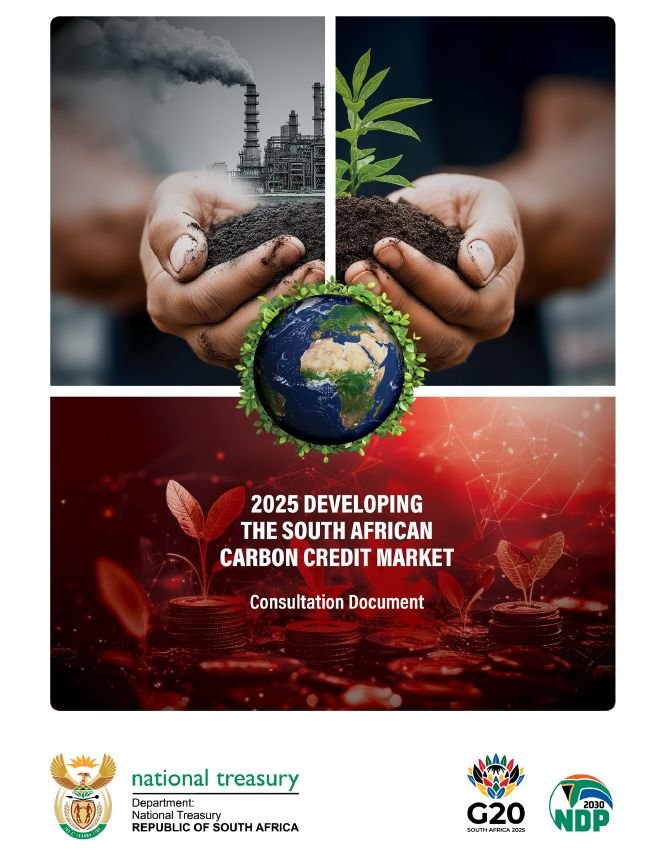
The National Treasury Unpacks South Africa’s Vision for a Stronger Carbon Market

South Africa is strengthening its commitment to a low-carbon future — and this new consultation paper outlines how. Building on the 2025 Budget and the Phase 2 Carbon Tax Discussion Paper, it explores the next steps in advancing a robust carbon tax offset market that supports both business competitiveness and national climate goals. The report highlights the opportunities and challenges shaping South Africa’s carbon market and provides valuable insights into the evolving policy, regulatory, and financial landscape.

Read the full paper to understand how South Africa is charting the path toward a high-integrity, market-based climate solution.

The Beginning of Africa’s Carbon Market Story: Integrity, Equity, and Growth Take Centre Stage

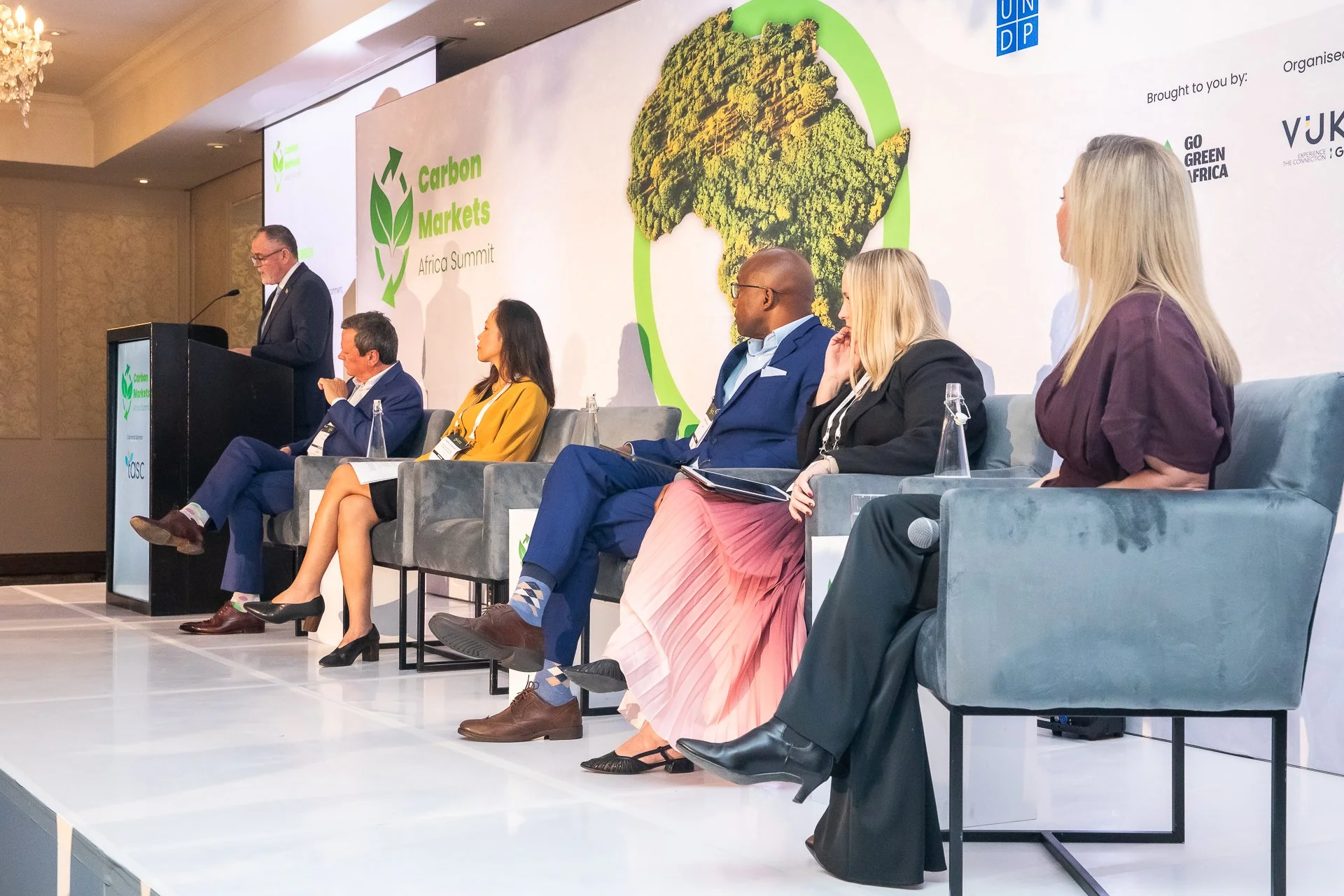
Johannesburg, South Africa – October 23, 2025 – Africa is poised to take a leading role in global carbon markets, positioning its natural assets as a source of sustainable growth and community development, according to speakers at the keynote session “Scaling Carbon Markets for Africa’s Sustainable Growth” at the Carbon Markets Africa Summit (CMAS) 2025. The session opened with remarks from Candice Stevens, CEO of the Sustainable Finance Coalition, who emphasised the continent’s opportunity to harness its ecosystems for inclusive development and climate action.

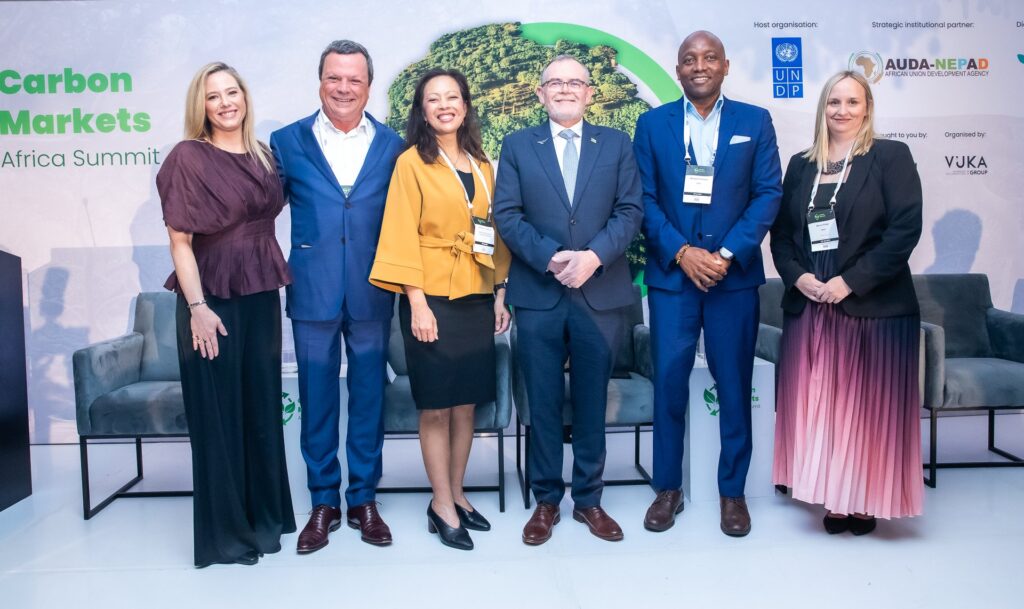
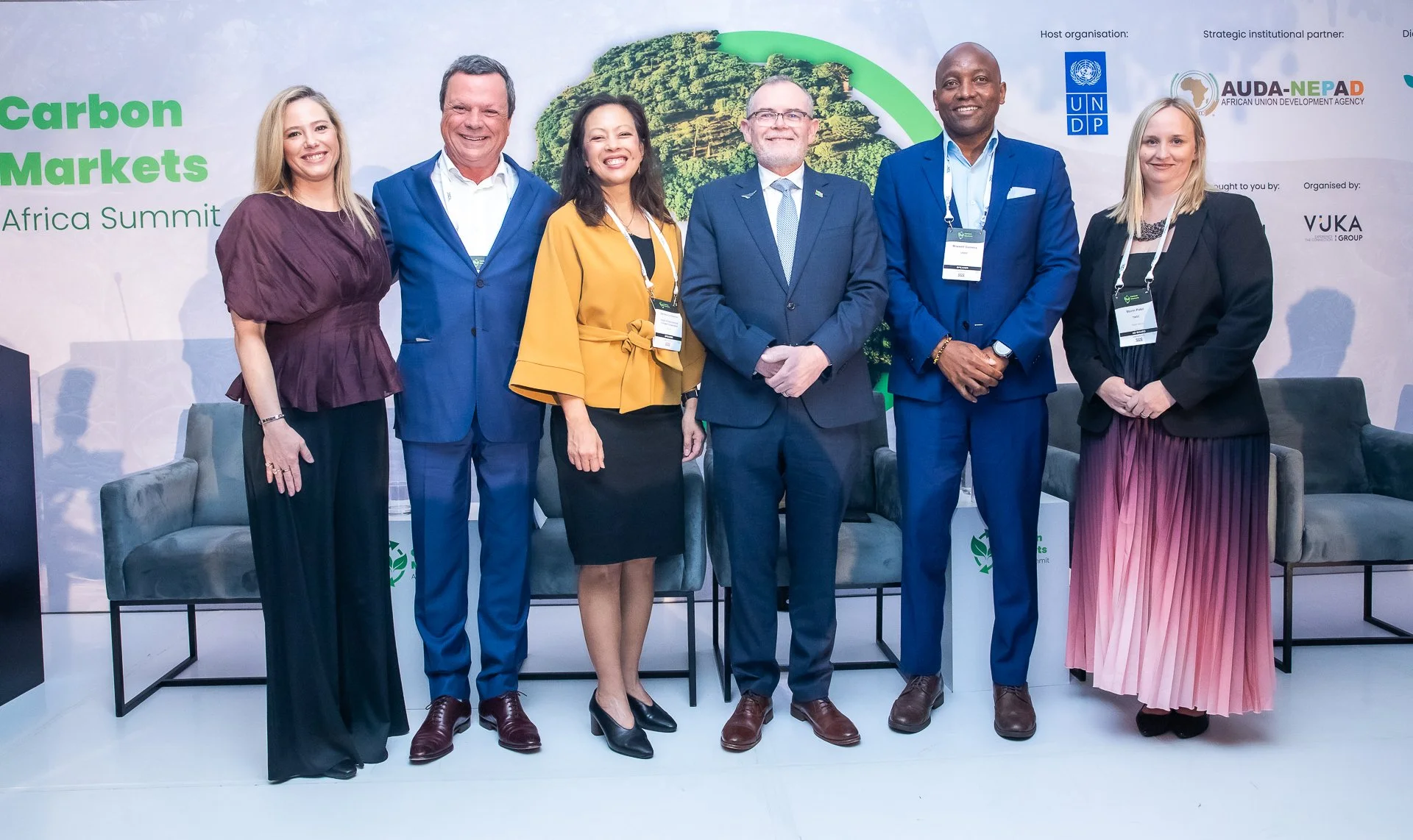
 Keynote speakers at CMAS 2025 (right to left: Candice Stevens, Iain Banner, Sandra Lindström, Dion George MP, Maxwell Gomera, Storm Patel)
Keynote speakers at CMAS 2025 (right to left: Candice Stevens, Iain Banner, Sandra Lindström, Dion George MP, Maxwell Gomera, Storm Patel)

Hon. Dion George, South Africa’s Minister of Forestry, Fisheries and Environment, set the stage by unveiling the Draft South African Carbon Markets Framework and the Draft Carbon Credit Revenue Plan, which aim to establish high-integrity carbon finance channels while ensuring local benefits. “One credit, one use, one count — no double counting, no overselling, no ambiguity,” said Minister George. He further underscored Africa’s strategic potential, noting, “Africa must move from being a price taker to being a price setter in the global system.”

Other speakers highlighted the critical elements for scaling Africa’s carbon markets. Fenella Aouane of the Global Green Growth Institute stressed that the era of framework design is over: “From readiness to results — Article 6 is no longer about design, but delivery,” she said. “Global carbon governance is evolving; implementation defines progress and impact.” Sandra Lindström from the Swedish Energy Agency reinforced the importance of transparent reporting and verification, noting, “Strong verification and transparent reporting are key to credible carbon markets,” and added that international collaboration accelerates sustainable outcomes.

Maxwell Gomera of the UNDP Africa Sustainable Finance Hub emphasised that carbon markets can deliver real benefits on the ground: “Carbon markets won’t fix everything, but built with integrity, they send real money to the ground and keep forests standing.” He added, “We must translate carbon revenues into tangible benefits for local communities.” Estherine Fotabong of AUDA-NEPAD highlighted continental coordination as key to harmonising standards: “Let us ensure carbon finance works for Africa with integrity and equity at its core,” and “Continental frameworks provide the backbone for harmonised, fair, and inclusive markets.”

Storm Patel of TASC showcased people-centred carbon projects that simultaneously address climate impact and livelihoods. “We’re not meeting at the end of a story—we’re meeting at the beginning of one,” Patel said. “People-centred projects prove that climate action and livelihoods can advance together.”

The session underscored several recurring themes, including integrity and trust, equitable benefit-sharing, capacity building, and regional collaboration. Speakers emphasised that Africa’s carbon markets can transform forests, oceans, and rangelands into sustainable revenue streams, fund local adaptation and clean energy projects, and attract global investment while retaining value locally.

CMAS 2025 concluded that moving forward requires operationalising national and regional carbon market frameworks, scaling transparency and governance, investing in human capital, mobilising private finance, and centring communities in market design. Speakers also encouraged the importance of showcasing successful projects to build confidence and demonstrate Africa’s leadership potential in global carbon markets.


VUKA Group 
Carbon Markets Africa Summit
is organised by VUKA Group, which has more than 20 years’ experience in serving the business community across Africa.

The United Nations Development Programme (UNDP) is the official host organisation. Other partners and sponsors for this inaugural event include the following:
Strategic institutional partners: AUDA NEPAD and UNEP.
Diamond sponsor: TASC
Gold sponsors: FSD Africa, SGS and Trees for the Future

Event dates and location:

Dates:
21 October: Pre-summit day
22–23 October: Summit
Location: Johannesburg, South Africa

Contact details for Carbon Markets Africa Summit

Project Lead: Emmanuelle Nicholls 
Cell: +27 83 447 8410  
Email: emmanuelle.nicholls@wearevuka.com  

Event website: About — Carbon Markets Africa

Carbon Markets Africa Summit to unlock billions in climate finance for the continent

“The carbon economy is global, but its solutions are local”

CAPE TOWN, SA – Africa’s vast natural resources hold enormous potential to drive climate action and sustainable growth, but turning that potential into investment requires collaboration, integrity and readiness. From 21 to 23 October, the Carbon Markets Africa Summit (CMAS) in Johannesburg will bring together over 280 policymakers, investors and project developers from 40 countries to accelerate the continent’s participation in high-integrity carbon markets.

Hosted by the United Nations Development Programme (UNDP), with AUDA-NEPAD as strategic institutional partner and One Carbon World as official climate impact partner, CMAS marks the first continental event dedicated to unlocking Africa’s carbon value through integrity, investment and impact.

“Carbon markets can unlock billions in finance for the continent,” says Maxwell Gomera, Resident Representative of UNDP South Africa and Director of the Africa Sustainable Finance Hub. “With the right partnerships and governance, Africa can convert its natural wealth into climate-resilient growth and jobs.”

For Madeleine Garlick, Africa Director at One Carbon World, partnerships are key: “African innovators are leading the market now, but with collaboration, we can achieve the scale needed to ensure it delivers for everybody.”

Turning ambition into action The summit’s theme of collaboration is reflected in its sponsors: TASC, an award-winning developer of high-impact carbon projects, is the diamond sponsor, joined by FSD Africa, SGS, and Trees for the Future as gold sponsors, and GIZ and Carbon Coin as silver sponsors.

“Our projects are having a monumental impact at a grassroots level—all this enabled through carbon finance,” says Shelley Estcourt, CEO Africa at TASC. Francesca Cerchia, Global Head of Climate Solutions at SGS, adds: “We need to make sure Africa is at the centre of voluntary carbon market development.”

Meanwhile, Tim McLennan, CEO of Trees for the Future, notes: “Farmers are the most vulnerable to climate change; our mission is to assist them to restore land and unlock prosperity.”

Scaling Africa’s solutions With participation from nine African governments—including Comoros, DRC, Ethiopia, Ghana, Nigeria, South Africa, and Uganda—and 14 innovative carbon projects, five of which are raising capital, CMAS will showcase how the continent’s solutions are both local and transformative.

“The carbon economy is global, but its solutions are local,” says Chidalu Onyenso, Founder and CEO of Earthbond (Nigeria). Another expert speaker at the summit, Nicole Dewing, Co-Founder of Africa Carbon & Commodities (Senegal), explains that: “High-integrity

plastic credits can underwrite a circular economy where communities earn, oceans recover and investment delivers verifiable impact.”

Driving a just transition CMAS features a full programme of ministerial and investor roundtables, technical workshops, and sector dialogues featuring pan-African projects and pioneers in energy and cookstoves, blue carbon, nature-based solutions and urban circularity.

According to Gabriel Labbate, Global Team Leader of the UN-REDD Programme (UNEP), “Initiatives like the REDD+ Investments in Africa Roundtable at CMAS are crucial to bridging the gap between supply and demand and turning ambition into implementation.”

As Daniel Okoth, Head of Carbon at SunCulture (Kenya), puts it: “We’re not just creating carbon credits—we’re creating climate-smart livelihoods.”

Marc Baker, Director of Carbon Tanzania, adds: “We are at an inflection point in the carbon markets, with growth, increasing integrity and the emergence of Article 6.2 providing opportunities for scale.” For more inspiring interviews with CMAS partners and speakers, click here. To download the full CMAS programme, click here.


VUKA Group Carbon Markets Africa Summit is part of the green economy portfolio of VUKA Group, which has more than 20 years’ experience in serving the business community across Africa.

Event dates and location:

21 October: Pre-summit day

22–23 October: Summit

Venue: Protea Hotel by Marriott–Balalaika Sandton, Johannesburg, South Africa

Website: Carbon Markets Africa

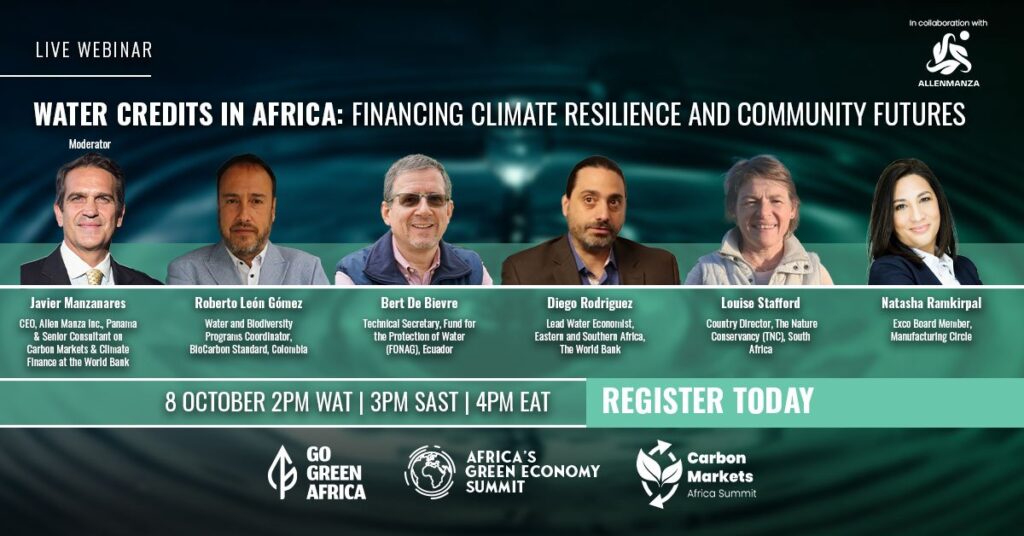
WEBINAR WRAP-UP — Water Credits in Africa: Financing Climate Resilience and Community Futures

EXECUTIVE SUMMARY OF THE WEBINAR:

Watch the Webinar now: WATCH ON-DEMAND

Key Takeaways:

  • Water Credits represent measurable, verified improvements in water quality or availability. It´s a financial and transparency tool to reward conservation results, not water ownership.

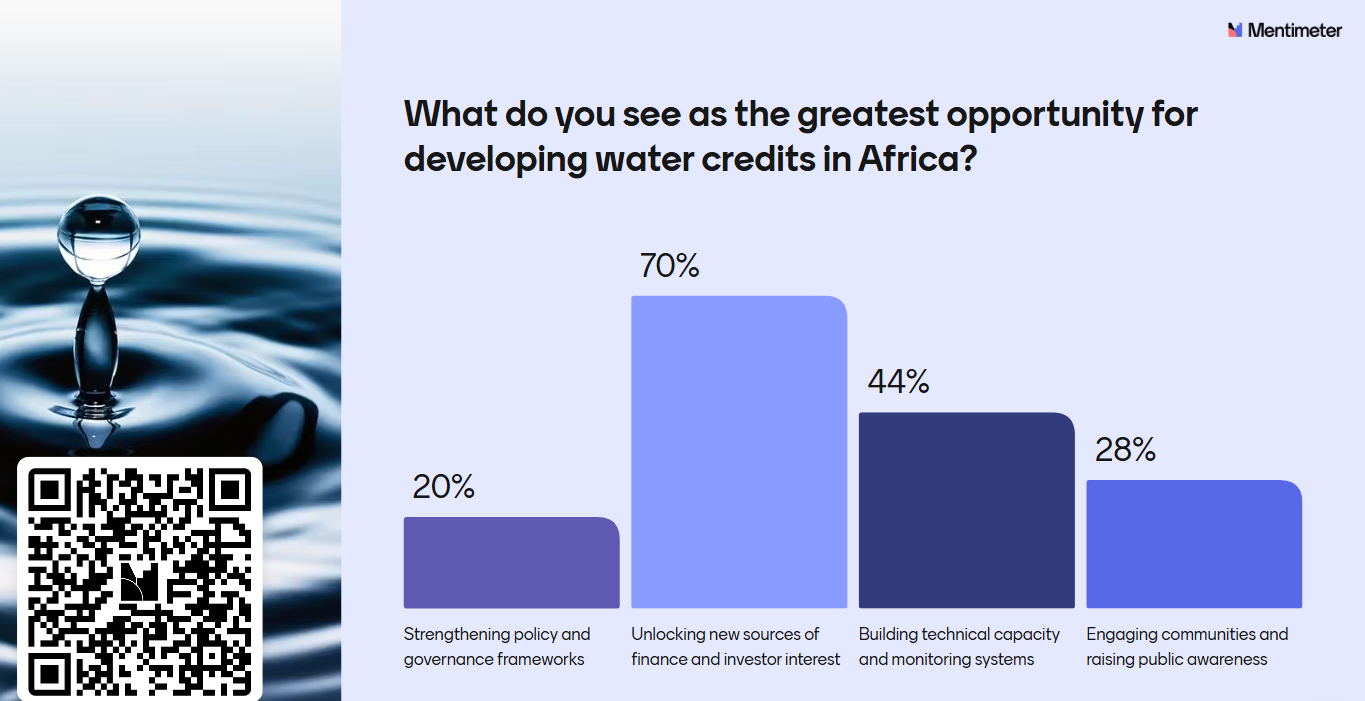
  • Participants agreed that the greatest opportunity lies in mobilizing private finance and investor confidence in Africa’s water security.

  • The top success factor: strong governance and robust monitoring systems (MRV) to ensure credibility and integrity.


Insights from Global & African Leaders:

  • FONAG (Ecuador): Water funds can yield strong financial returns through avoided infrastructure costs. The challenge now is quantifying benefits.

  • BioCarbon Standard (Colombia): Piloting water credit methodologies in Latin America with a focus on digital MRV and local participation.

  • TNC South Africa: The Greater Cape Town Water Fund freed up two months’ water supply by removing invasive trees, showing the power of nature-based solutions.

  • World Bank: Policy alignment, blended finance, and de-risking tools are key to attracting large-scale investment.

  • Manufacturing Circle: Water credits must be basin-specific, transparent, and locally relevant to engage industry.


Poll Results:

  • Main Opportunity: Unlocking new sources of finance and investor confidence.

  • Main Challenge: Building strong governance and clear regulatory frameworks, followed by credible MRV and private sector leadership.


The Path Forward

High-integrity water restoration can deliver multiple dividends: secure water supplies, healthier ecosystems, carbon sequestration, and resilient communities.
The next step is to develop robust, transparent frameworks that make these outcomes investable, positioning Africa’s watersheds as natural assets that drive both climate and economic resilience.